


Alpilles Regional Park
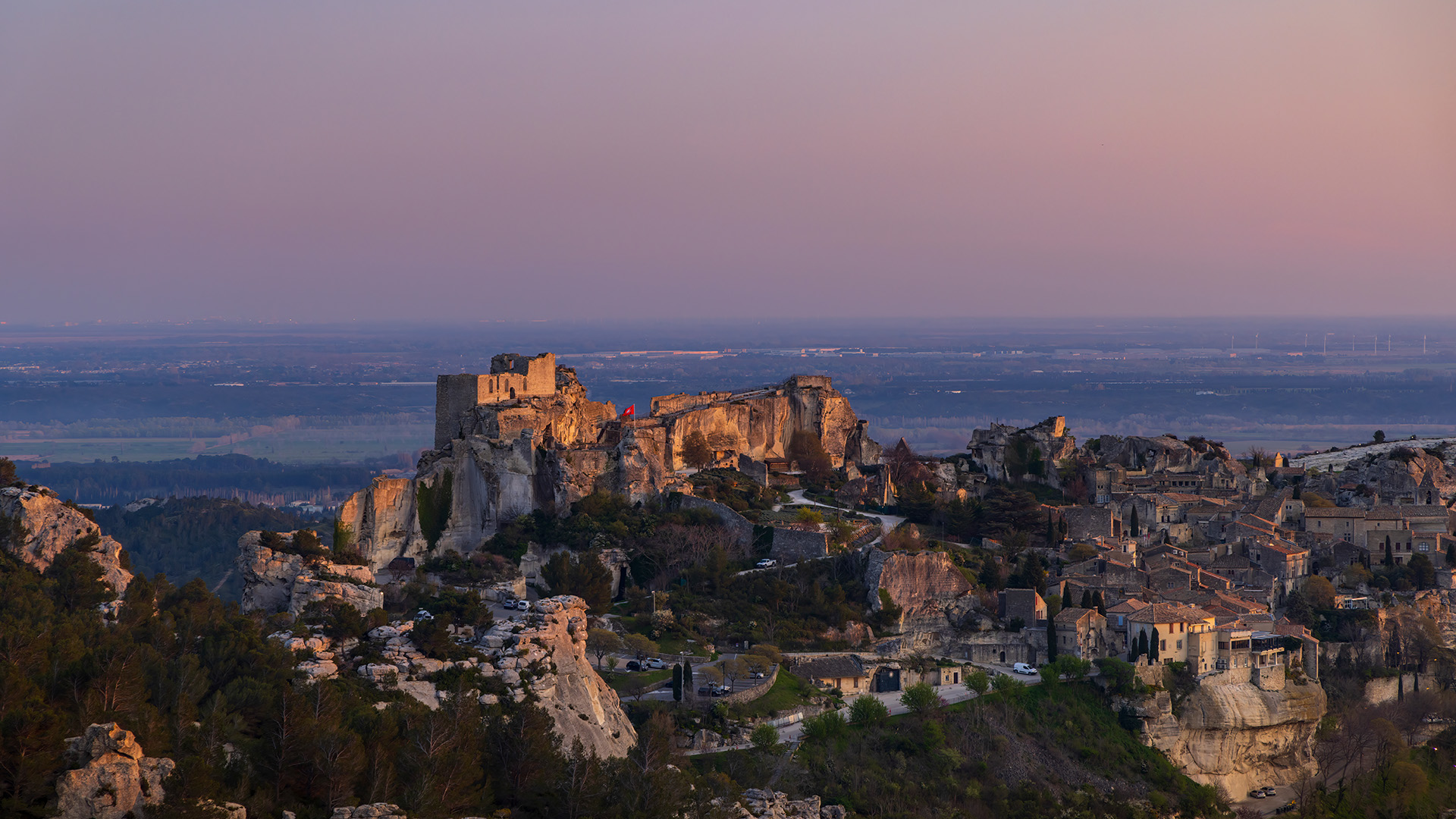
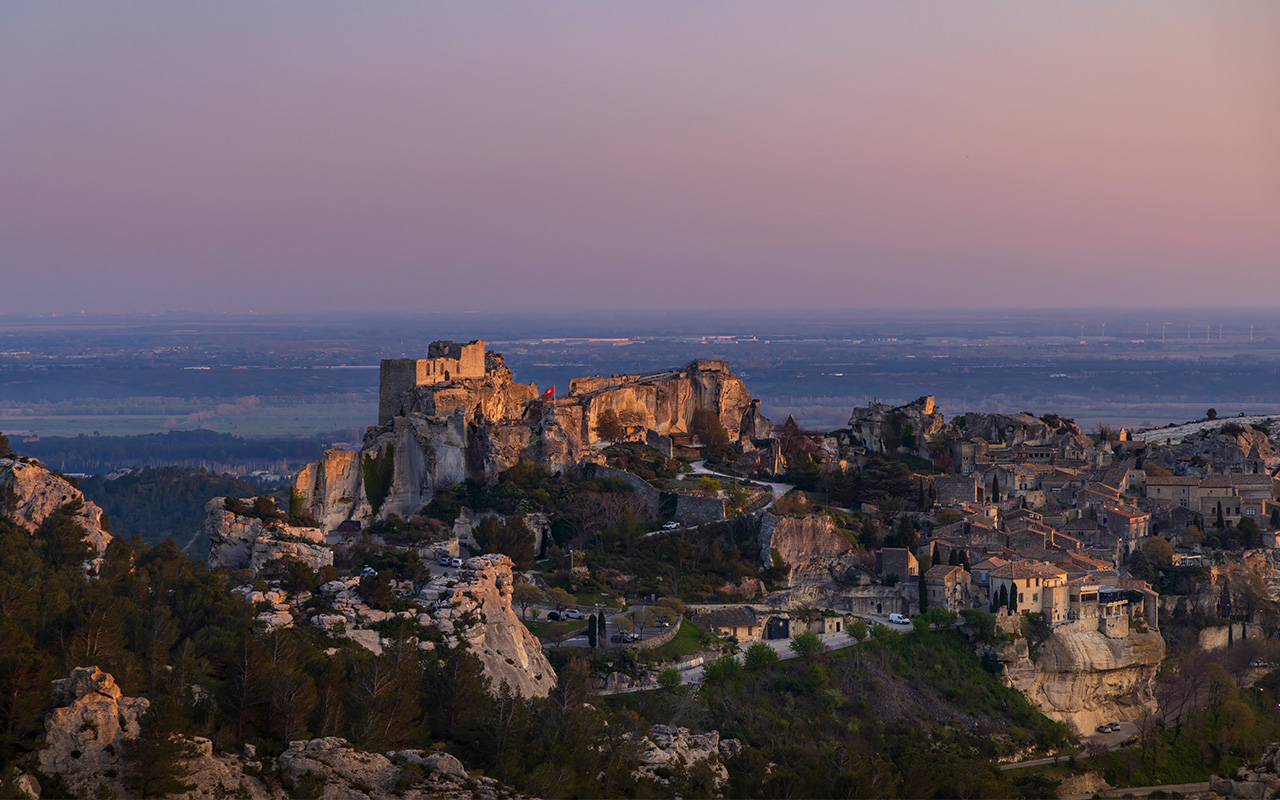
The Alpilles are a small but striking limestone range rising abruptly from the plains between Arles and Avignon. Despite their modest height, they support a rich concentration of Mediterranean wildlife, shaped by dry stone, wind, heat and centuries of low-intensity farming.
This is an ideal landscape for short walks, slow exploration and close observation, where wildlife often reveals itself quietly rather than dramatically.
A compact limestone range at the heart of western Provence
A limestone backbone
The Alpilles are defined by exposed limestone ridges, dry valleys and rocky plateaux. The porous rock holds little surface water, shaping a landscape adapted to drought, wind and intense summer heat.
Open garrigue, olive groves and rocky slopes dominate, punctuated by cliffs and escarpments that provide shelter and nesting sites for wildlife.
Mediterranean wildlife at close quarters
Unlike the high Alps, wildlife in the Alpilles is often visible and accessible. Species here are adapted to heat, aridity and human presence.
Small mammals, reptiles and insects thrive in warm, open habitats, while foxes, badgers and wild boar move through scrub and woodland margins, often unnoticed but ever-present.
Birds of open landscapes
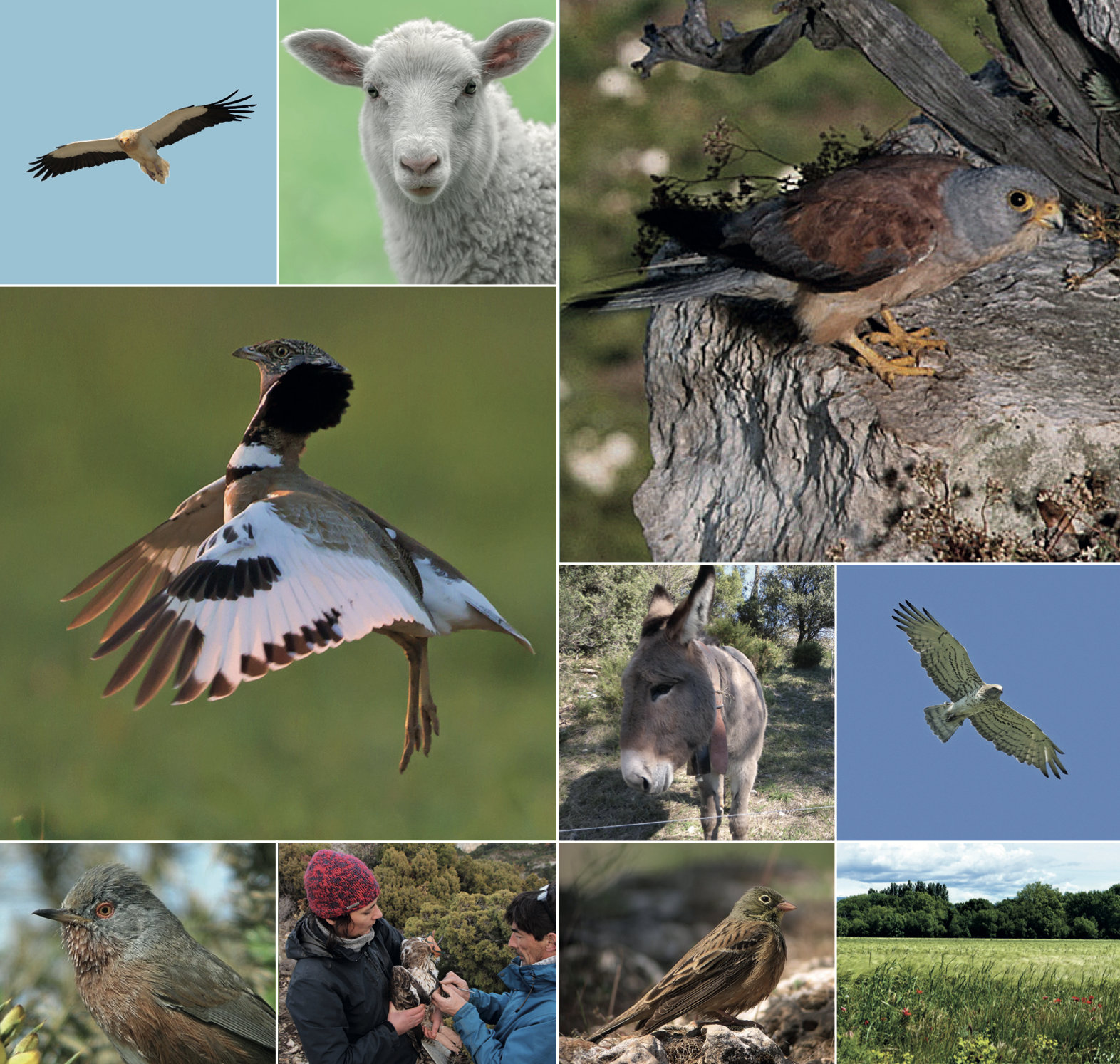
The Alpilles are particularly significant for birds. Open steppe-like habitats, cliffs and farmland support a rich assemblage of resident and migratory species.
Raptors are a defining feature soaring above ridgelines and hunting over open ground, while passerines fill scrub, hedgerows and olive groves. Seasonal movement adds further diversity, especially during spring and autumn migration.
Plants shaped by drought and disturbance
Vegetation in the Alpilles reflects centuries of grazing, cultivation and fire. Aromatic shrubs, hardy grasses and drought-tolerant trees dominate, creating classic Mediterranean garrigue.
This plant community supports a high diversity of insects and pollinators, forming the base of the local food web.
A cultural landscape, not wilderness
The Alpilles are inseparable from human history. Grazing, olive cultivation and low-intensity farming have shaped habitats for centuries, maintaining open ground and preventing scrub from closing in.
Biodiversity here depends on the continuation of traditional land use alongside modern conservation.
Why the Alpilles matter
As pressures on Mediterranean ecosystems increase, the Alpilles demonstrate how nature and people can coexist when land use remains balanced.
They are a stronghold for open-habitat species and a reminder that biodiversity does not only survive in remote or dramatic places — sometimes it thrives right at our doorstep.
Exploring the Alpilles
This is a park best explored on foot. Short walks and ridge paths reveal constant change, light shifting across limestone, birds riding thermals, insects active in warm clearings.
The Alpilles reward attention rather than distance: slow exploration reveals a landscape alive with detail.