


06 – Alpes-Maritimes
06 – Alpes-Maritimes
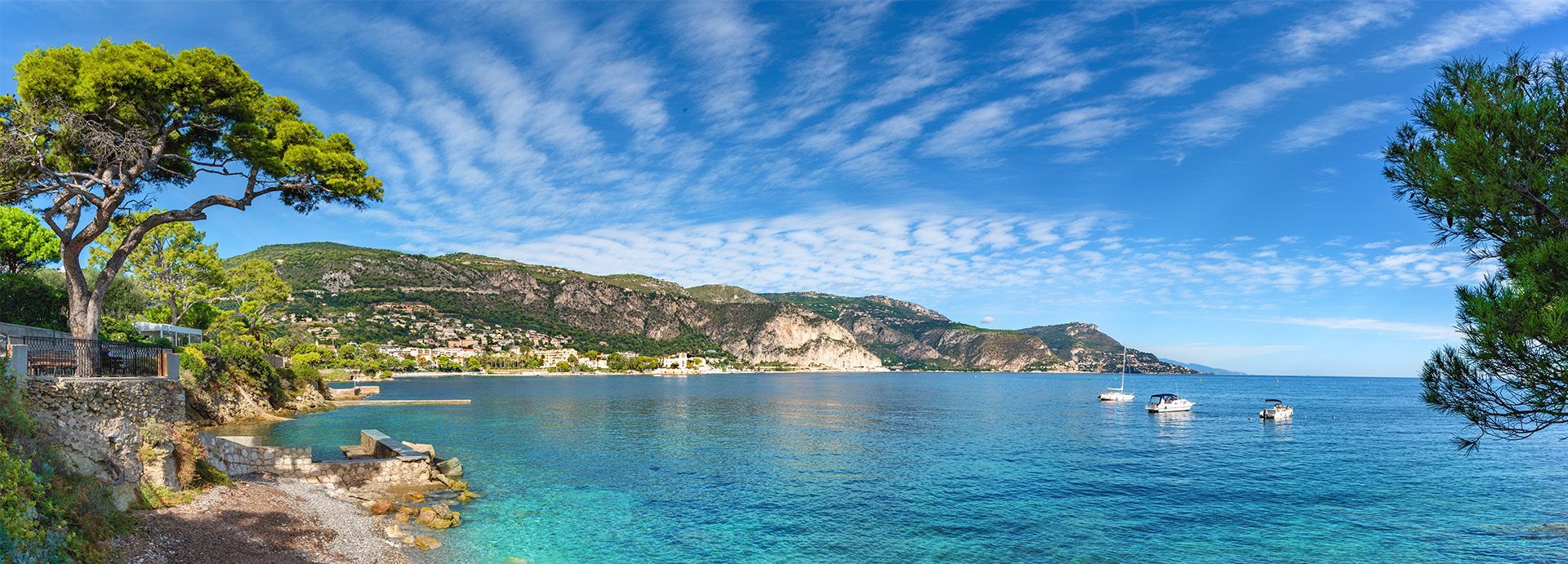
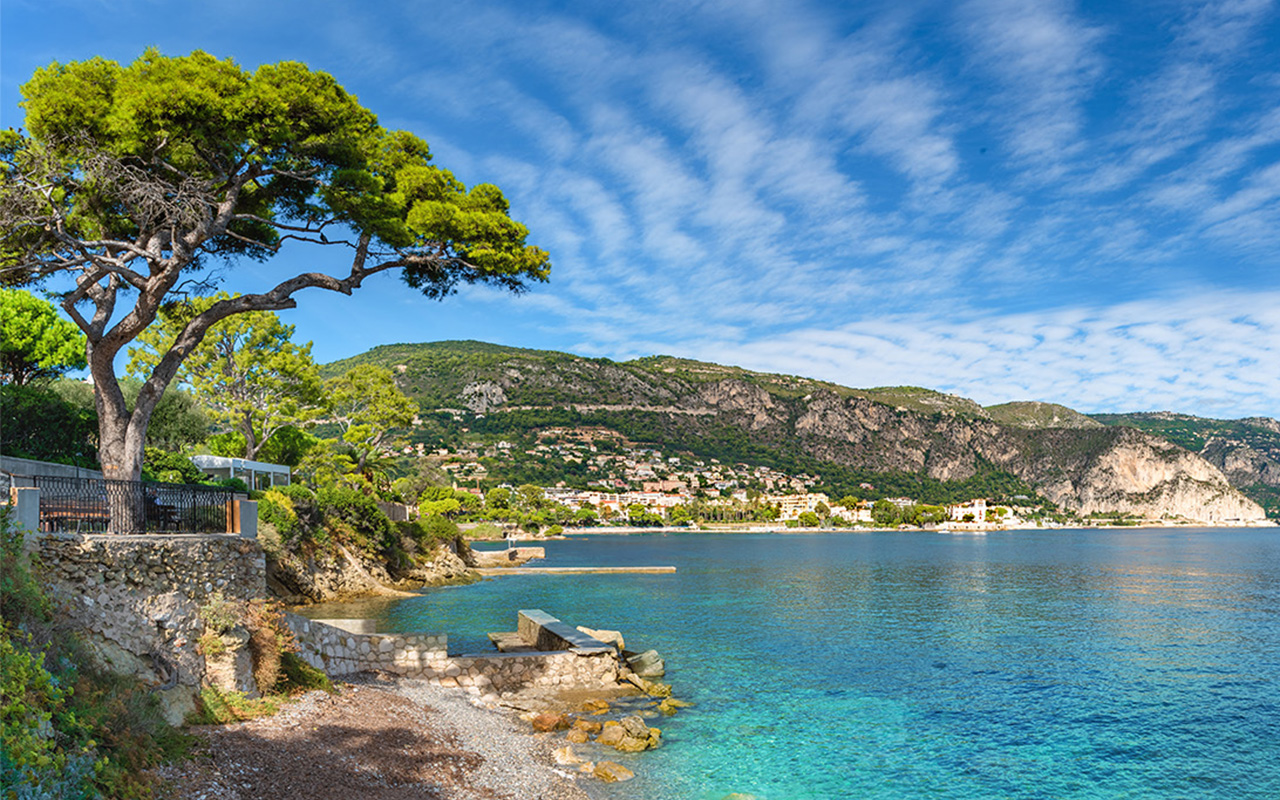
The Alpes-Maritimes combines Mediterranean coastline, limestone gorges and high alpine terrain within a compact area. This exceptional altitudinal range supports one of the richest biodiversities in France, with Mediterranean reptiles, alpine mammals, diverse birdlife and a highly varied flora concentrated across a relatively small geographic area.
Wild Places
These are listed by order of importance, National, Regional Parks, Reserves and local hotspots that should be of interest to all nature lovers, whether serious listers or casual observers.
Waiting To Be Discovered Are:
Pre-Alps Regional Park
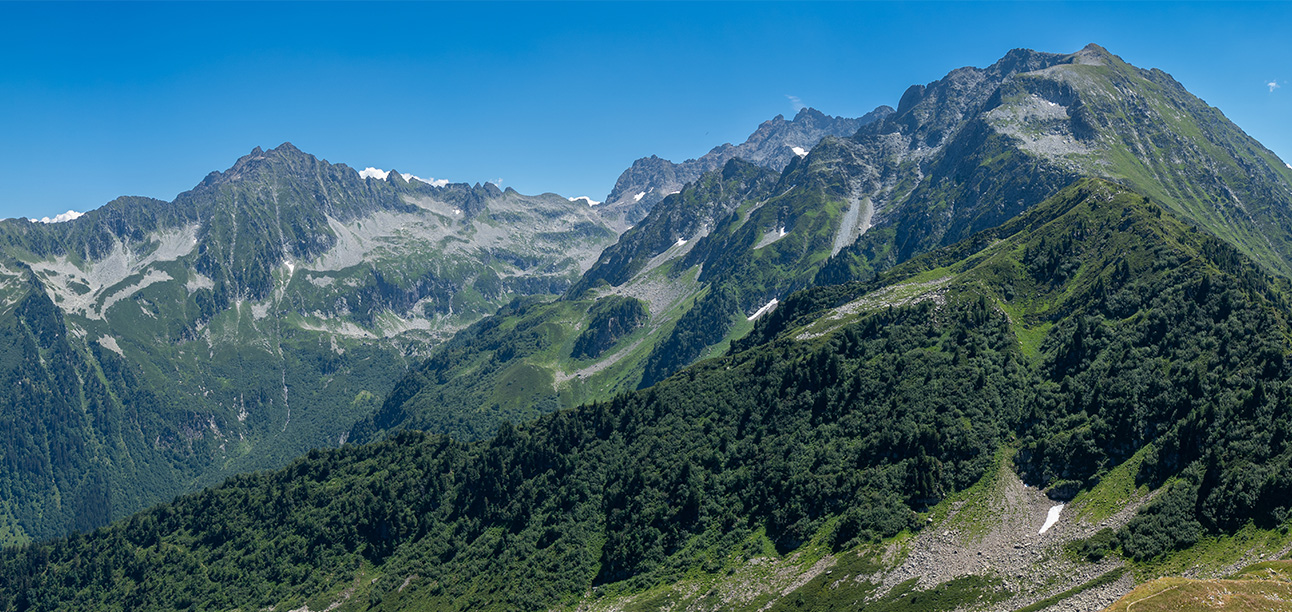
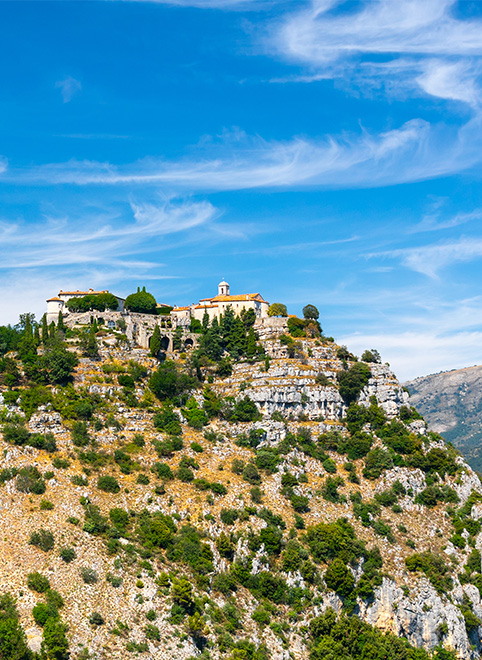
Located in Alpes-Maritimes, the Préalpes d’Azur Regional Natural Park ranges in altitude from 300 to 1,800 metres, between the Valleys of Le Loup, Le Cagne, L’Estéron, La Siagne and Le Var.
Located in Alpes-Maritimes, the Préalpes d’Azur Regional Natural Park ranges in altitude from 300 to 1,800 metres, between the Valleys of Le Loup, Le Cagne, L’Estéron, La Siagne and Le Var.
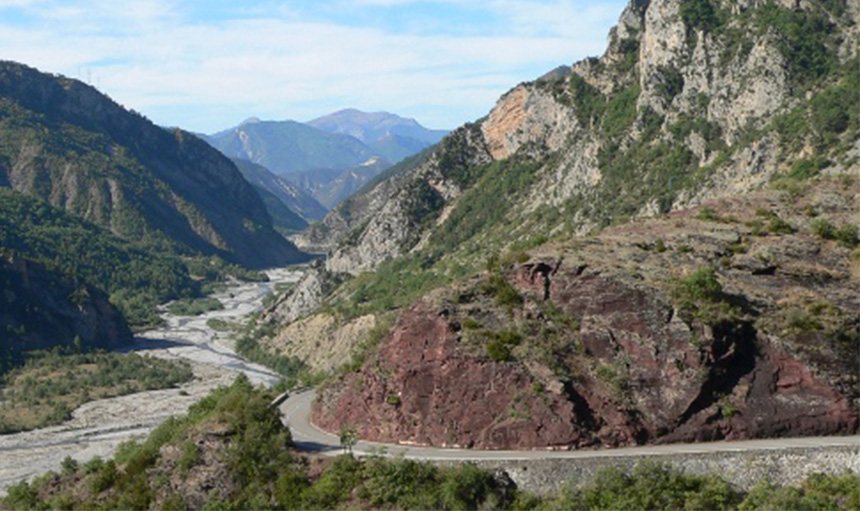
RNR – Gorges de Dalius
A geologically remarkable, biologically rich protected area where Mediterranean and alpine worlds meet. Its flora comprises drought-tolerant Mediterranean shrubs and specialised rock plants on nutrient-poor soils, while its fauna includes alpine mammals, rare reptiles, diverse birds of prey and endemic invertebrates. This diversity stems from its spectacular canyon landscape, altitudinal range and transitional position between biogeographical
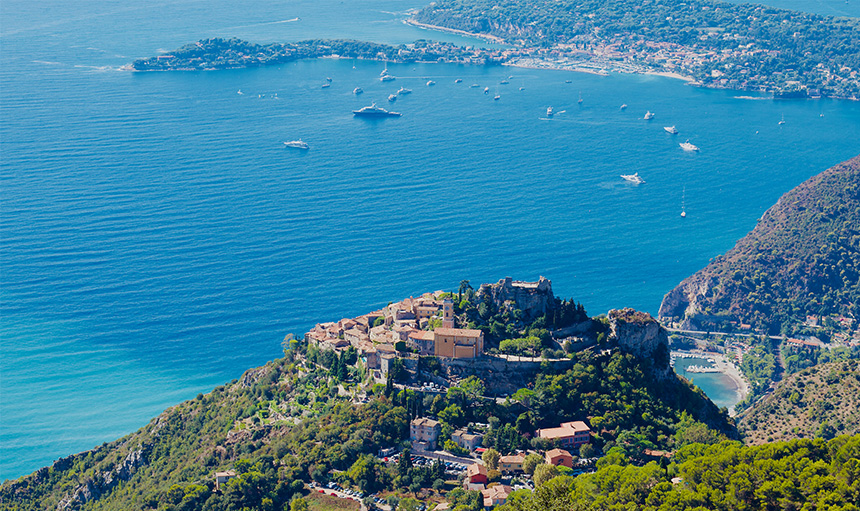
Fort de la Revère
Visual Migration: A premier natural observation point overlooking the Mediterranean, renowned for its dramatic autumn bird migration. Positioned on a major migratory flyway, the site channels tens of thousands of birds through a narrow coastal corridor, creating a spectacular and visible passage each year. Combining panoramic scenery, historic heritage, and active ornithological monitoring, it is one of the most important migration viewpoints in the Provence-Alpes-Côte d’Azur region.
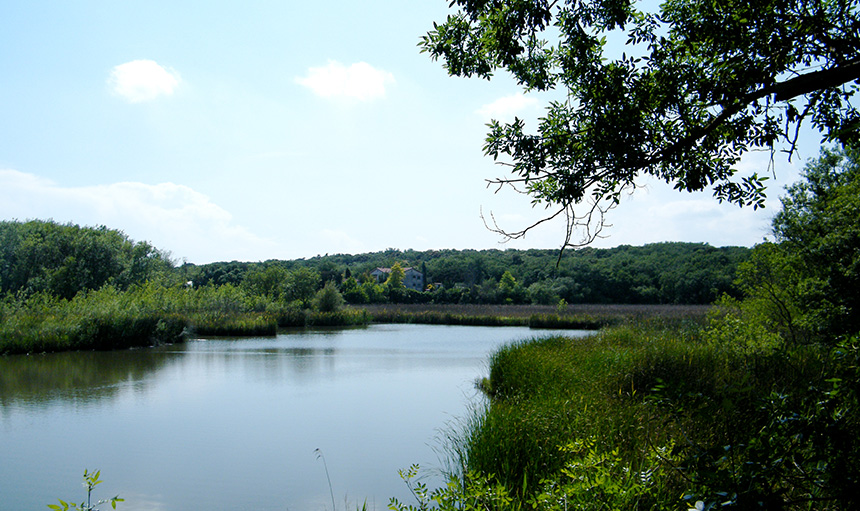
Vaugrenier Park
Located at Villeneuve-Loubet, within one of the most heavily urbanised stretches of the Alpes-Maritimes coastline. The park centres on a series of permanent water bodies, reed-fringed margins, wooded parkland and open grassy areas, creating a structurally diverse but highly controlled environment. Despite its recreational role, the site functions as a key lowland refuge for wetland and generalist bird species, providing year-round value for wildlife observation and biological recording and hotspot for migrating Crake species.
Additional Wildlife Hotspots
These sites fall outside formal protected area boundaries but are widely recognised for their ecological significance.
Field Calendar and Seasonal Dynamics
Spring (March to May) and Autumn (September to October) provide excellent trans-border passage dynamics, tracking raptor movement along the alpine ridges and active migrant landfalls along the immediate Mediterranean coastline. Naturalists navigating the transition from coastal scrub to high sub-alpine territory should utilise the comprehensive, free digital guidebooks and mapping sectors on the RandOxygène portal before embarking.
Winter (November to February) delivers a dramatic dual profile, locking the high-altitude Mercantour backcountry under heavy snow while leaving the sheltered coastal river mouths and mid-country conifer belts wide open for sub-alpine specialists and pelagic seabirds.
Summer Forest Access and Fire Risk Regulations (DFCI)
During the summer season, the sub-alpine massifs, steep river valleys and coastal formations of the Alpes-Maritimes are placed under strict prefectural fire prevention mandates. The primary ecological risk vector stems from the sharp topographical transition from maritime coastlines to high altitudes, where dense maritime pine forests and volatile, aromatic scrub communities intersect with frequent dry summer lightning storms.
Access permissions are evaluated across distinct geographic sectors (such as the Estérel-Tanneron fringe or the high backcountry) and are updated each evening for the following day.
Green or Yellow codes allow full access.
Orange codes allow access but users should exercise extreme caution as professional brush-cutting and metalworking machinery face tight hourly restrictions.
Red codes completely prohibit all access all day for all recreational activities, including hiking, canyoning and mountain biking.
Naturalists should consult the daily zoning directives nightly via the Alpes-Maritimes Prefecture Risk Portal. Note that fire risk designations for the western edge of the department automatically align with the regulations of the neighbouring Var department due to the ecological continuity of the Estérel massif.
Field Notes & Responsible Practice
Please refer to our code of conduct page for responsible recording and observation.