

Regional Birdlife
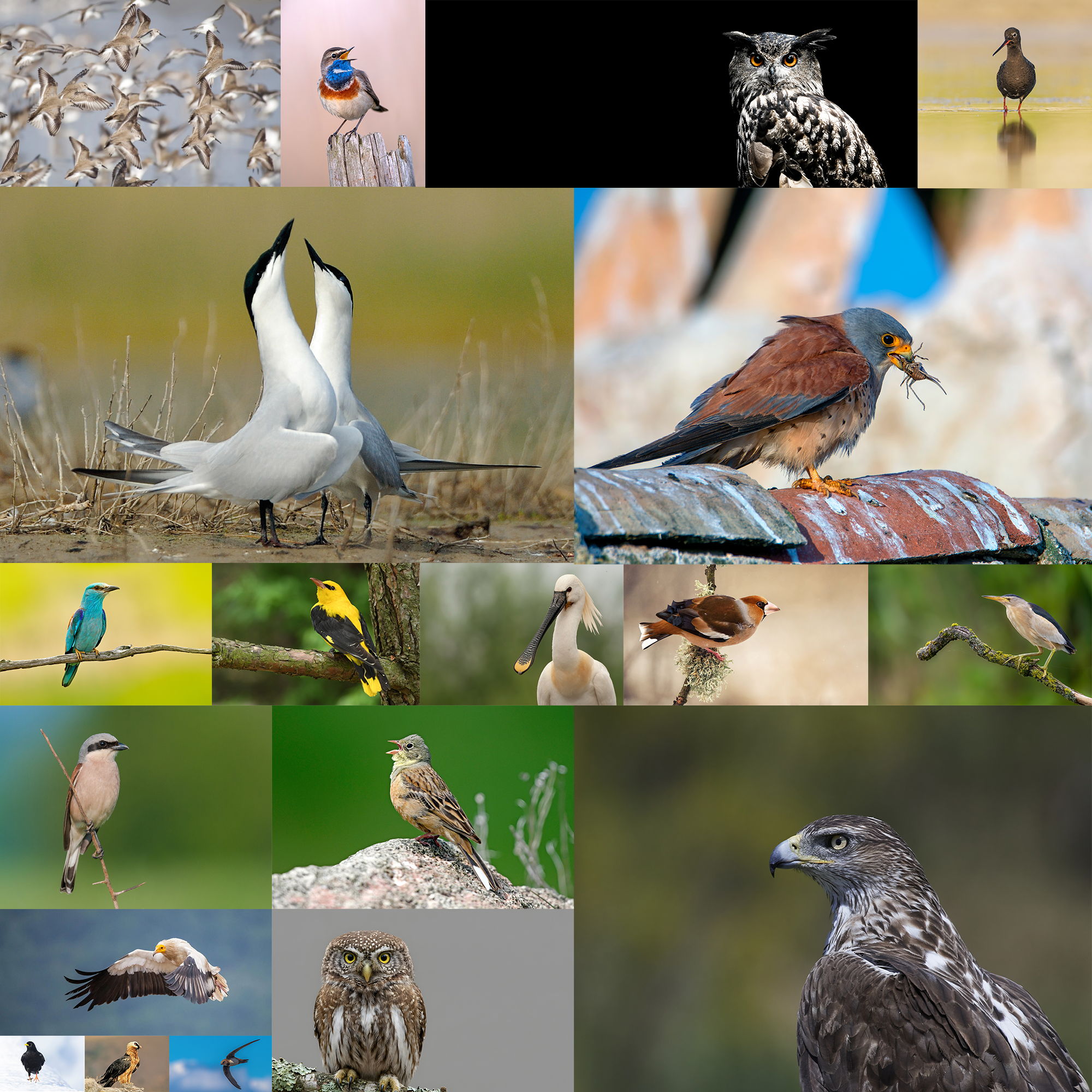
Few regions of France offer birdwatchers quite the range of habitats found across Provence-Alpes-Côte d’Azur. Mediterranean islands and sea cliffs, the wetlands of the Camargue, Crau steppe, cork-oak and evergreen woodland, limestone gorges, Provençal farmland and the high Alps all sit within the same region. That variety brings an equally remarkable range of birds.
But knowing which birds occur in PACA is only the beginning. Where you look, when you visit and what is happening in the landscape can make all the difference. Spring and autumn migration can transform the coast, islands and wetlands; summer brings breeding birds to the mountains and Mediterranean scrub; winter changes the character of the Camargue and its surrounding wetlands, while altitude, snow cover, water levels, wind and even farming patterns can influence what you find elsewhere.
WoodPACA brings those pieces together. Explore the parks, reserves and wildlife hotspots to discover the birds associated with particular landscapes, or use this page and the illustrated species fact sheets to learn more about some of PACA’s characteristic and sought-after species, where they occur and the habitats they depend upon. Whether you are hoping to see a particular bird or simply want to understand what might be around you, the aim is the same: to help you know what to look for, where to start looking and why it might be there.

Why Birds Matter in PACA
Bird are generally the most visible of all wildlife species. They are frequent visitors to our gardens and feeders, many common species are easily recognisable in the wider landscape by non birders. This makes them one of the best studied taxonomic groups and often the first passion for many nature enthusiasts due to the high visibility.
Wetlands & Estuaries
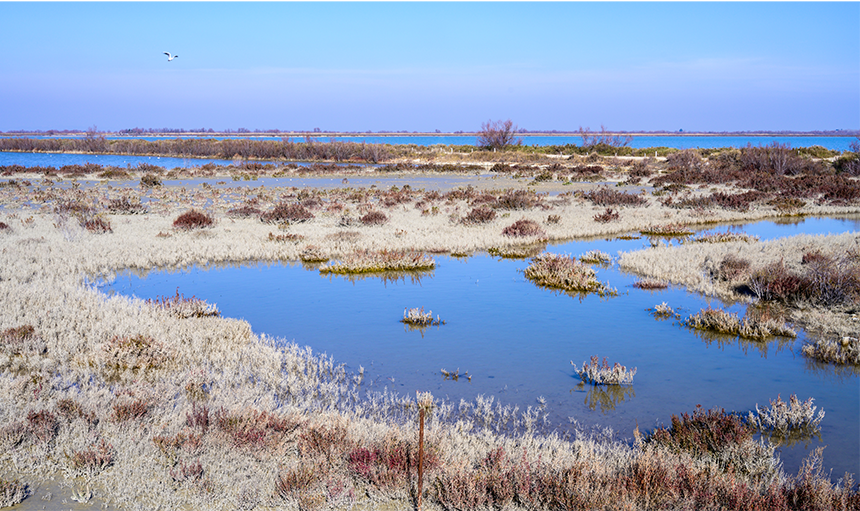
Seasonally dynamic habitats supporting breeding, passage and wintering waterbirds. Particularly important during migration and cold-weather movements, with bird interest shaped by water levels, weather systems and disturbance.
Key coastal lagoons, salins, marsh and river mouths (Camargue, Hyères, lower Var, etc.)
- Greater Flamingo
- Black-winged Stilt
- Kentish Plover
- Little Tern
- Gull-billed Tern
- Eurasian Spoonbill
- Mediterranean Gull
- Slender-billed Gull
Open Plains & Steppe Landscapes
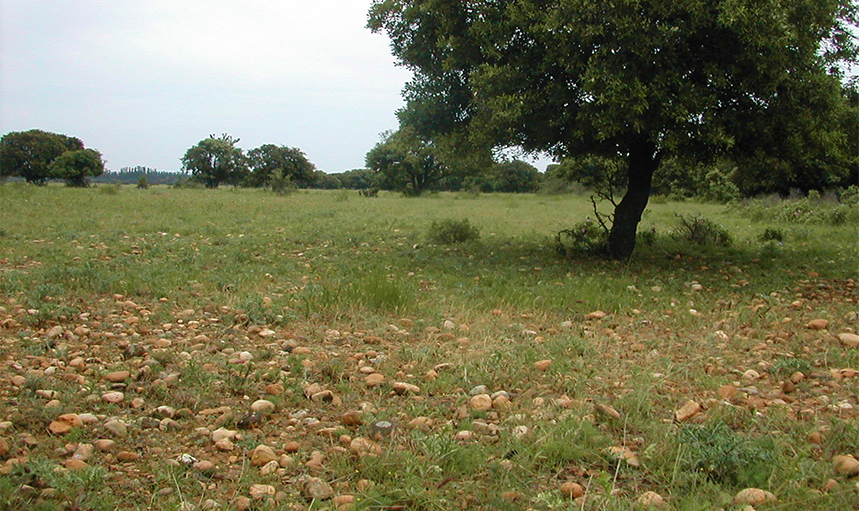
Low-intensity agricultural and semi-natural open landscapes holding some of the region’s most specialised and threatened birds. Species presence is closely linked to land use, ground structure and seasonal management.
(Crau, Plaine des Maures, dry agricultural plains)
- Little Bustard (Crau, Valensole, airfields)
- Stone-curlew
- Golden Oriole
- Turtle Dove
- Calandra Lark (Crau stronghold)
- Tawny Pipit
- European Roller
- Eurasian Hoopoe
- Southern Grey Shrike

Cliffs, Gorges & Rock Systems
Vertical landscapes providing nesting and roosting sites for cliff-dependent species and wide-ranging raptors. These areas often function as ecological corridors and refuges where disturbance is limited.
(Limestone Massifs, Esterel, alpine cliffs)
- Golden Eagle
- Peregrine Falcon
- Eagle Owl
- Bonelli’s Eagle (Limestone)
- Alpine Swift
- Blue Rock Thrush
- Crag Martin
- Wallcreeper
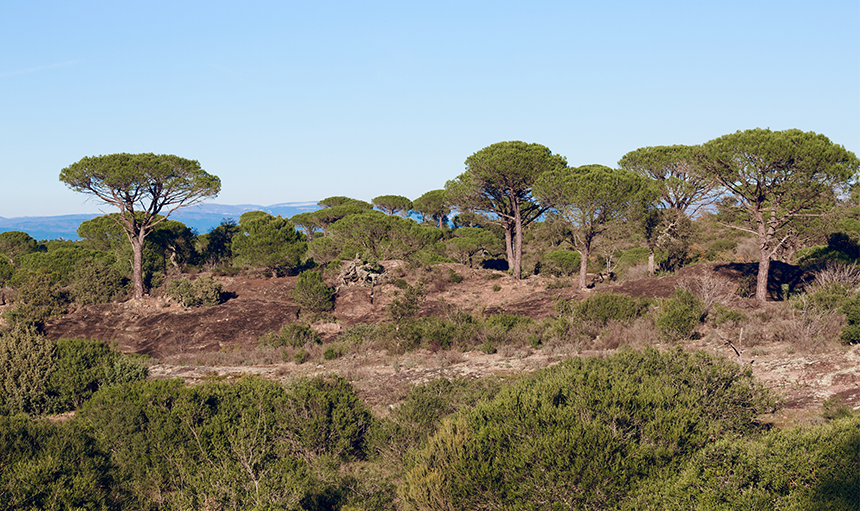
Mediterranean Scrub & Woodland
Structurally complex habitats supporting a rich assemblage of resident and migratory birds. Seasonal changes in vegetation, food availability and altitude strongly influence species composition.
(Massif des Maures, Esterel, Garrigue systems)
- Sardinian Warbler
- Dartford Warbler
- Subalpine Warbler
- Melodious Warbler
- Woodchat Shrike
- Woodlark
- Short-toed Eagle
- Short-toed Treecreeper
- European Bee-eater
- Crested Tit
- Firecrest

Alpine & Subalpine Zones
High-elevation environments hosting cold-adapted and range-restricted species. Bird activity and accessibility vary sharply with season, snow cover and weather conditions.
(Écrins, Mercantour, Ventoux & high ridgelines)
- Bearded Vulture
- Tengmalm’s Owl
- Pygmy Owl
- Alpine Chough
- Rock Ptarmigan
- Alpine Accentor
- White-winged Snowfinch
- Citril Finch
- Northern Wheatear
- Ring Ouzel

Offshore & Pelagic Birds
Open-sea and coastal waters used by seabirds during feeding, migration and dispersal. Observation opportunities are highly weather-dependent, with productivity linked to wind, currents and prey availability.
(Pelagos Sanctuary, Hyères and Marseille’s islands, Coastal watchpoints)
- Scopoli’s Shearwater
- Yelkouan Shearwater
- Mediterranean Shag
- Audouin’s Gull (rare)
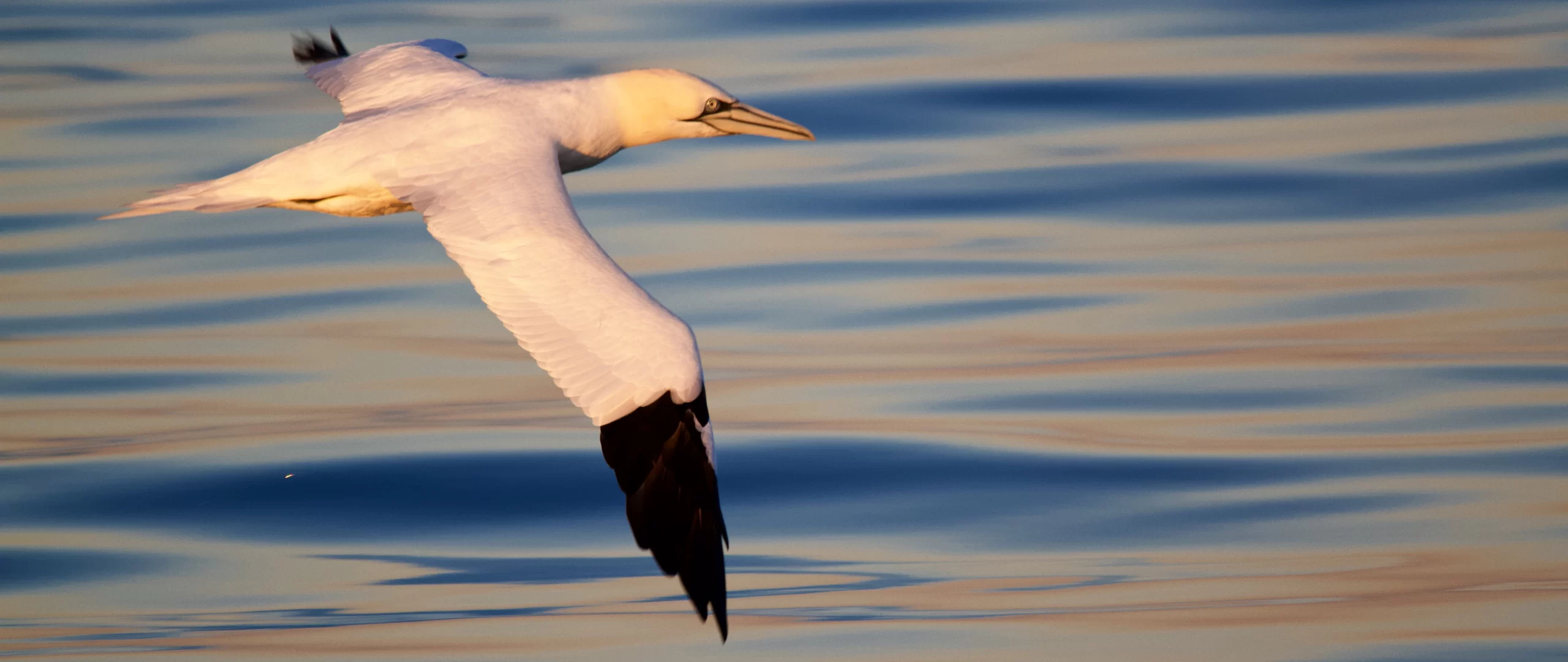
- Sandwich Tern
- Northern Gannet
- European Storm-petrel
- Winter Grebes & Divers
- Winter Ducks & Merganser