


05 – Hautes-Alpes
05 – Hautes-Alpes
The Hautes-Alpes is the most alpine department of the PACA region, dominated by high mountains, glacial valleys and upland plateaus. Its fauna and flora are shaped by altitude, long winters and short growing seasons, supporting cold-adapted species, alpine specialists and some of the region’s most intact natural landscapes.
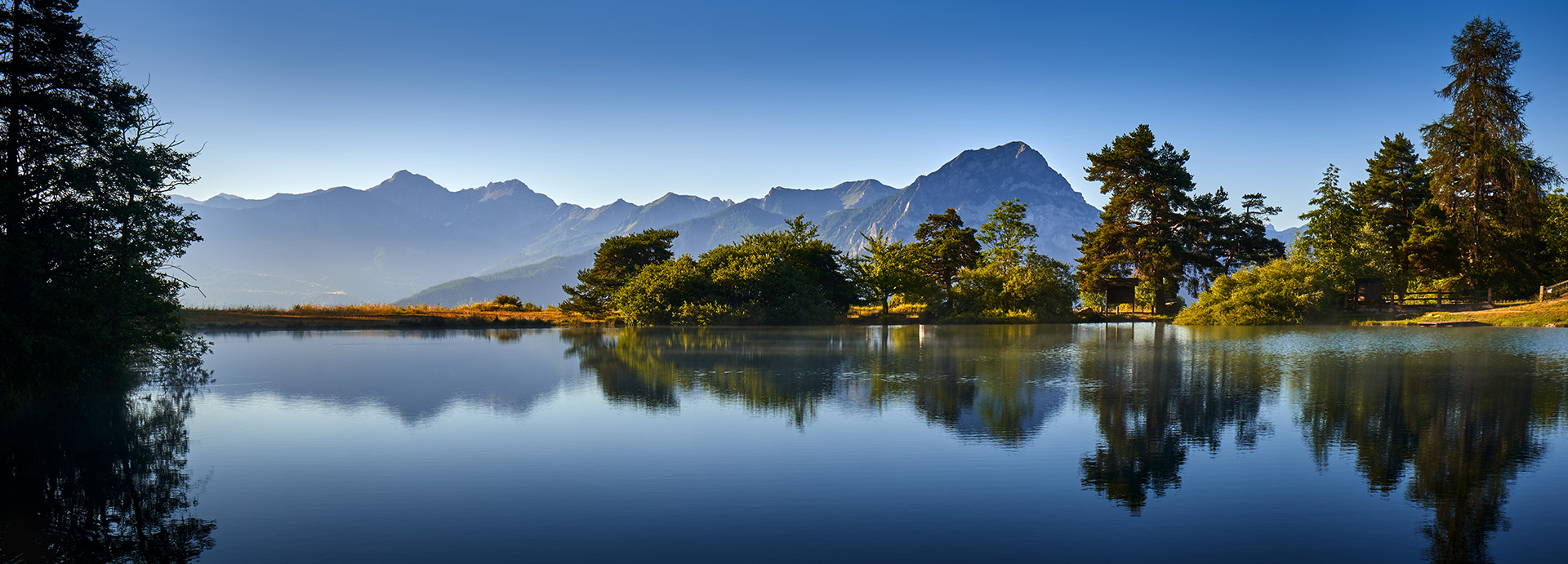
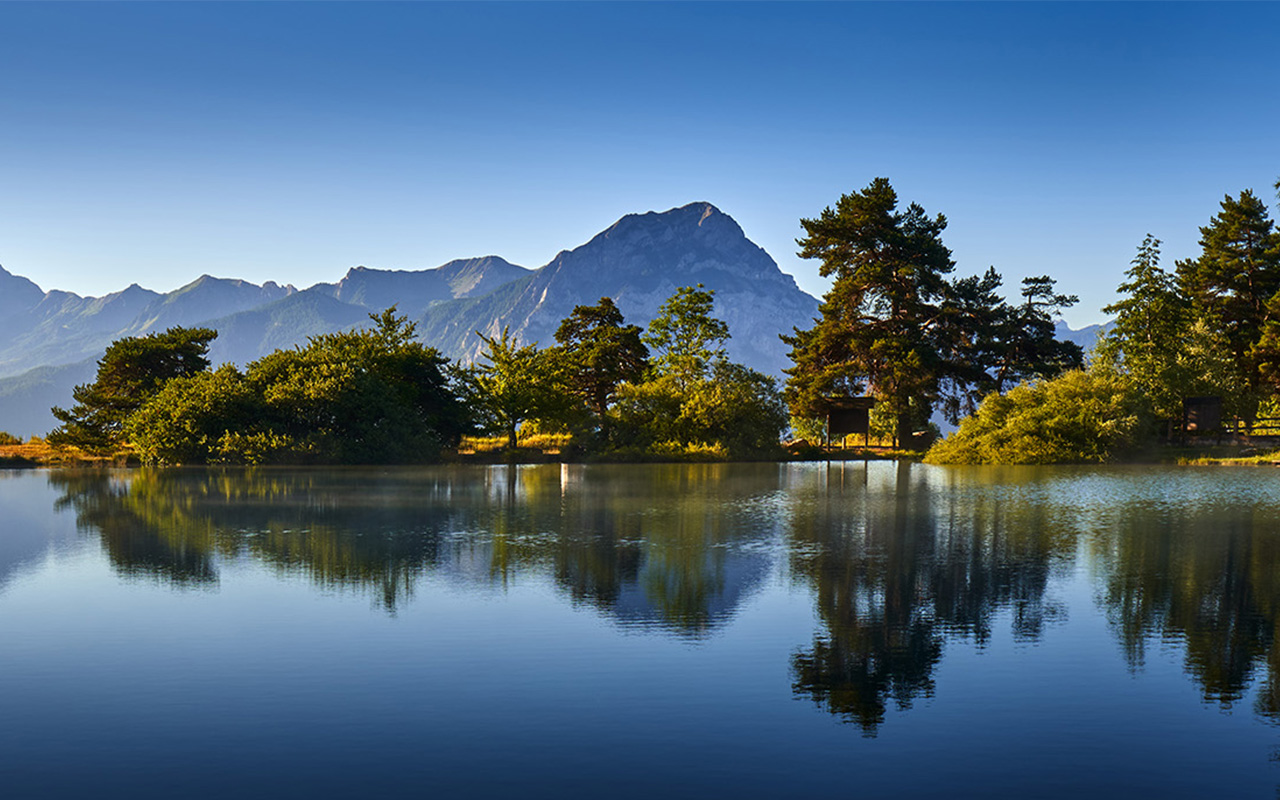
Wild Places
These are listed by order of importance, National, Regional Parks, Reserves and local hotspots that should be of interest to all nature lovers, whether serious listers or casual observers.
Waiting To Be Discovered Are:
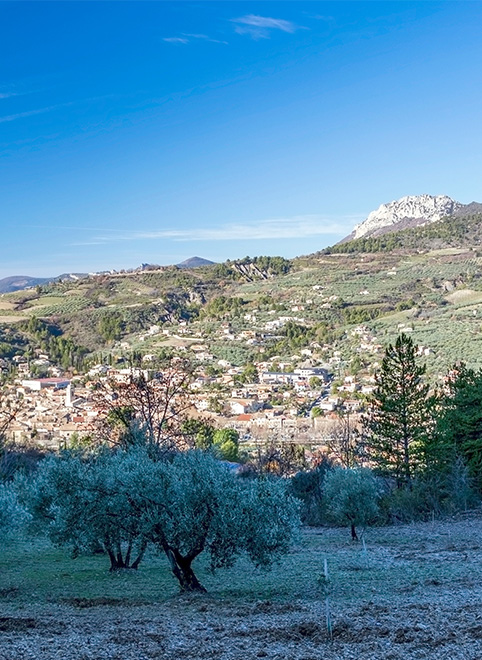
The Baronnies Regional Park
RNN – Ristolas – Mont-Viso
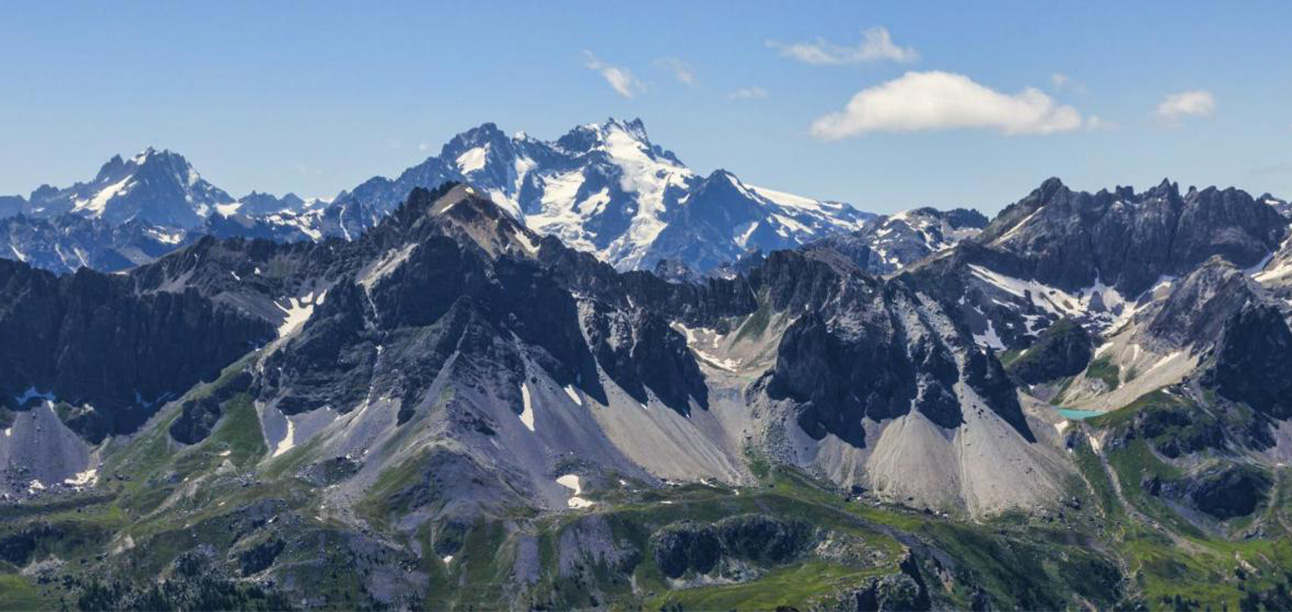
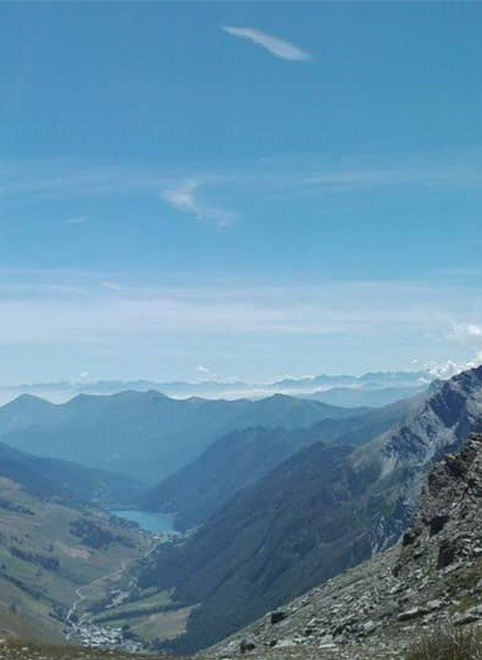
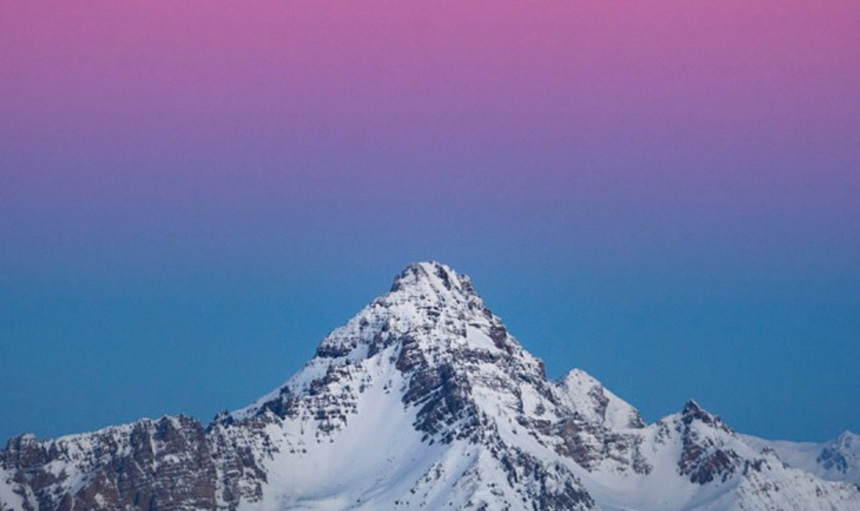
The Ristolas–Mont-Viso National Nature Reserve protects one of the most striking high-mountain landscapes in the southern Alps. Lying at the head of the Guil valley on the Italian border, the reserve is dominated by steep cirques, glacial valleys, scree slopes and alpine meadows beneath the unmistakable pyramid of Mont Viso.
This is a landscape shaped by altitude, ice and time, remote, exposed and largely free from human modification.
RNN – Séveraisse Valley
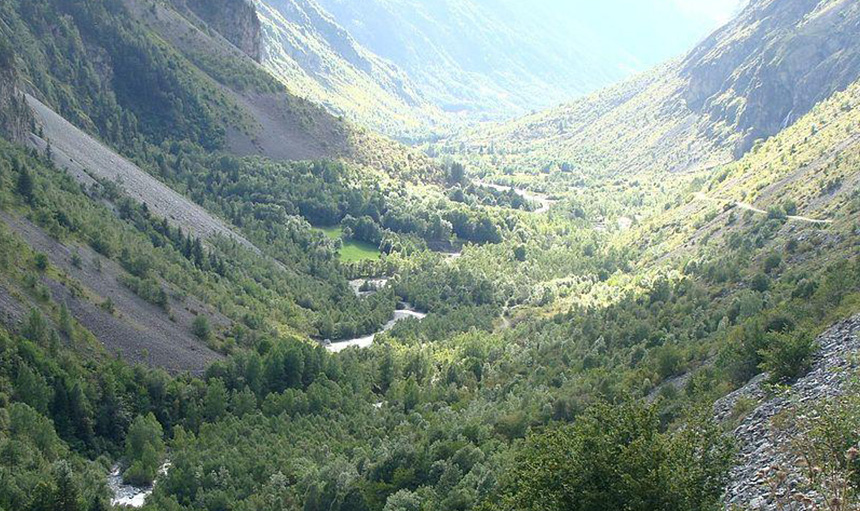
The Séveraisse Valley National Nature Reserve protects a dramatic alpine landscape shaped by ice, water and altitude. The valley follows the course of the Séveraisse river from its high mountain sources down through steep-sided gorges, alpine meadows and ancient pastoral routes.
This is a place where raw geology and living systems collide, glaciers feed torrents, scree slopes spill into grasslands and wildlife moves freely between cliffs, forests and high pastures. 44 nesting bird species are just a small portion of what can be discovered here.
RNR – Partias
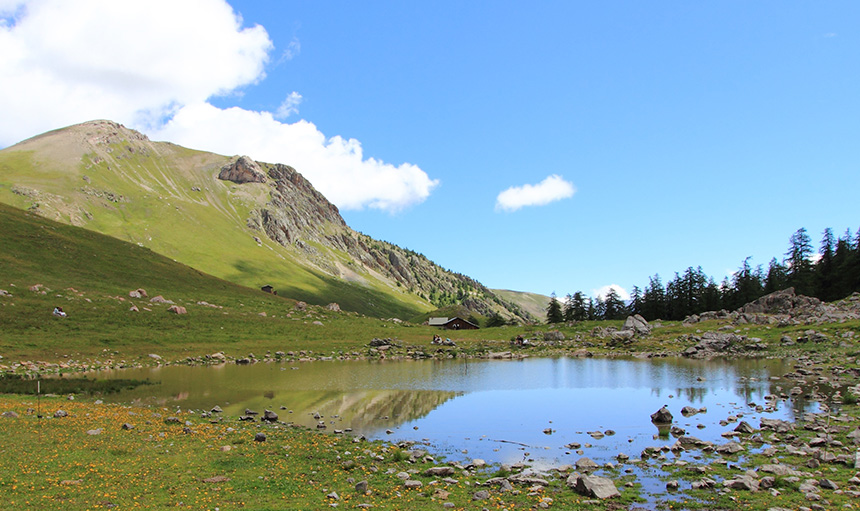
Stretching between 1,600 to 2,940 meters above sea level, the regional nature reserve of the Partias covers the montane, subalpine, alpine stages, and reaches the limit of the nival stage. All the natural environments corresponding to this gradient are found on the site: larch forest, mountain meadows, alpine and subalpine heaths and grasslands, mountain bogs (bas-marais), scree slopes, and cliffs. Additionally, the nature reserve is home to two small mountain lakes.
Additional Wildlife Hotspots
These sites fall outside formal protected area boundaries but are widely recognised for their ecological significance.
Best Times to Visit
Spring (April–June)
Lower valleys and south-facing slopes become productive first as snow retreats. Breeding activity increases across open landscapes and transition zones, with strong botanical interest at low and mid elevations.
Early Summer (late June–July)
Peak accessibility for higher elevations as alpine terrain opens up. True alpine species and habitats are most visible, though weather conditions can change rapidly.
Late Summer & Autumn (August–October)
A quieter period with reduced disturbance. Raptors, post-breeding dispersal and mammal activity increase, particularly in valleys and open basins.
Winter (December–March)
Highly access-dependent. Lower valleys remain viable, while snow cover at altitude restricts movement but can concentrate wildlife locally.
Field Notes & Responsible Practice
Please refer to our code of conduct page for responsible recording and observation.