


Ristolas–Mont Viso National Nature Reserve
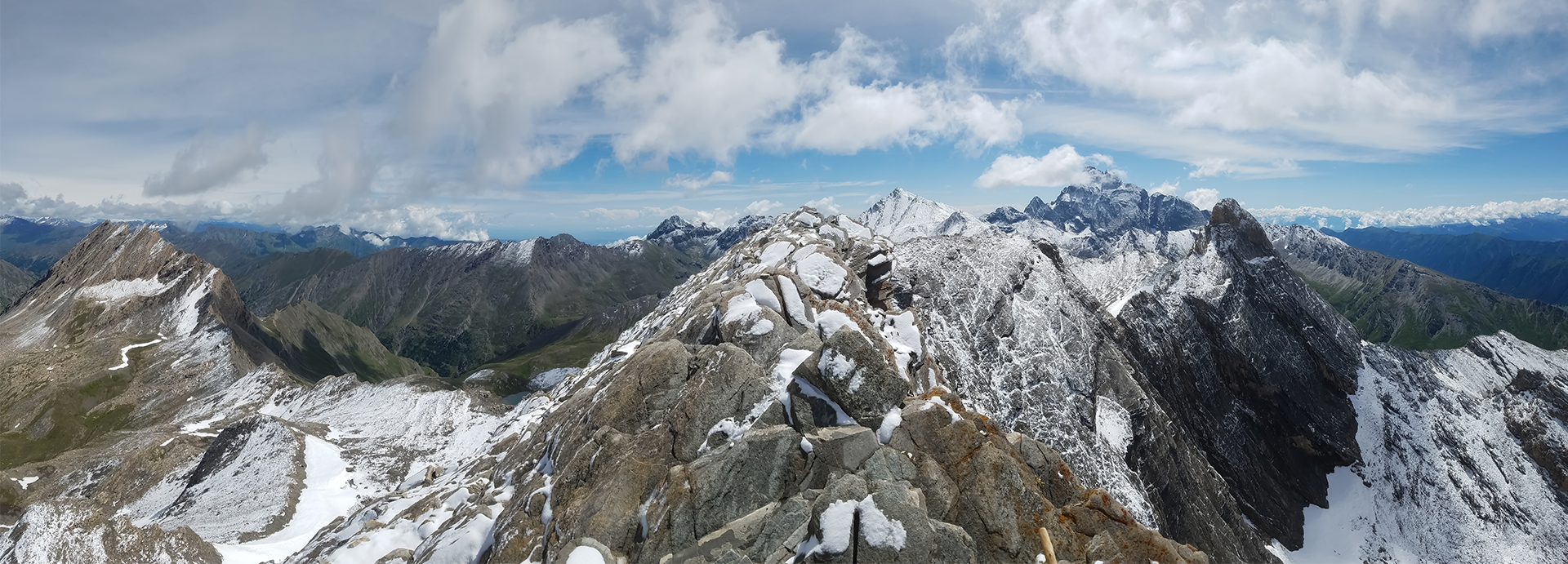
At the head of the Upper Guil, Ristolas–Mont Viso protects 2,295 hectares of high mountain country within the Queyras. Larch forest, Alpine grassland, heath, lakes, marshes, cliffs and scree are compressed into a relatively small area beneath the Mont Viso massif. Its position at the south-western end of the Alpine arc is particularly important. Isolation, altitude and climatic history have allowed distinctive plants and animals to persist here, including species restricted to the Queyras or the wider Mont Viso landscape.
High-altitude ecosystem
Exploring the Reserve
Birding the Reserve
For a relatively compact protected area, Ristolas–Mont Viso offers an impressive progression of mountain bird habitats. Forest edge and treeline bring Black Grouse into consideration, while increasingly open slopes above support Rock Ptarmigan. Higher rocky country adds White-winged Snowfinch, Alpine Accentor, Northern Wheatear, Alpine Chough and Black Redstart.
The sky deserves watching as carefully as the slopes. Golden Eagle and Bearded Vulture range through the wider high-mountain landscape. Rock Ptarmigan is particularly interesting through the seasons. White winter plumage changes progressively as the snow retreats, but exceptional camouflage continues to make the birds difficult to detect amongst stone and vegetation.
Winter birding here comes with an important qualification. Mountain birds survive the cold partly by conserving energy. Repeated disturbance that forces a bird to fly or leave shelter therefore matters considerably more than it might during summer.
Mammals
Alpine Ibex and Chamois are the most conspicuous mammals of the reserve. Ibex favour cliffs and rocky high ground, while Chamois use a broader range of slopes, grassland and broken terrain. Both are well adapted to moving through country that appears almost inaccessible from below. Mountain Hare represents a different high-mountain strategy. Its winter coat provides valuable camouflage against snow, paralleling the seasonal transformation of Rock Ptarmigan. The reserve supports a considerably broader mammal community than these obvious mountain species, much of it associated with woodland, grassland and the less exposed lower country.
Reptiles & Amphibians
One animal gives this relatively small reserve international natural-history significance. Lanza’s Salamander is restricted to the Mont Viso massif in France and Italy. Its entire life history reflects the constraints of its mountain environment. Unlike amphibians that return to ponds to lay eggs, females retain the developing young internally. Gestation lasts around four years.
Individuals can live for more than 20 years, yet may spend most of that remarkably long life almost completely hidden. The salamanders remain underground or amongst broken rock until suitable humidity draws them to the surface. In some years their period of visible surface activity may amount to only around ten days. That changes the way apparently barren rocky ground should be understood. Cracks, spaces beneath stones and underground cavities provide the cool, humid conditions on which an endemic vertebrate depends.
Butterflies & Other Invertebrates
The reserve’s invertebrates are considerably richer than the exposed high-mountain landscape might suggest. More than 580 insect species have already been inventoried, including more than 200 butterflies and moths, and previous survey work has repeatedly added species not previously known from the reserve.
Flower-rich grasslands, woodland edge, heath, wetlands and high Alpine vegetation each provide different opportunities during the brief mountain summer. The insect season also moves uphill. As snow retreats and plants begin flowering, activity progressively reaches higher grasslands, concentrating feeding, mating and development into a relatively short window. Not all the reserve’s distinctive invertebrates fly. The Queyras Snail is a particularly localised inhabitant and a useful reminder that some of the most geographically interesting Alpine wildlife can be small enough to pass almost unnoticed.
Botanical Highlights
Botanically, Ristolas–Mont Viso is exceptional. More than 1,000 plant taxa are included in the reserve’s management inventory, with dozens considered of particularly high conservation significance. Several plants reflect the unusual biogeography of this south-western corner of the Alps. Alpine Woad, Arvet-Touvet’s Butterwort and Mountain Cirsium are among its notable specialities.
The flora changes sharply with habitat. Larch woodland gives way to heath and grassland; springs and peaty lake margins support moisture-dependent vegetation; scree and cliffs favour plants capable of surviving unstable ground; and the highest elevations leave only a brief period for growth and reproduction. Some of the most interesting communities occur around water. Alpine marshes, springs and peaty lake shores support glacial-relict vegetation, surviving remnants of plant communities associated with much colder conditions.
Visiting the Reserve
Ristolas–Mont Viso is a national nature reserve and is consequently more strictly protected than the surrounding regional nature park. Visitors must remain on marked paths, helping protect vulnerable high-altitude vegetation and wildlife. Dogs are not permitted, even on a lead. Seasonal protection also reflects the needs of wildlife. Ski touring is excluded from the Asti–Rocher Mouloun–Clos Sablé sector because of wintering Rock Ptarmigan.
These restrictions are particularly relevant in the high mountains. Plants may have only a few months in which to grow and reproduce, while wintering animals survive by carefully conserving limited energy reserves.
Explore Further
- Ristolas–Mont Viso National Nature Reserve – Official Reserve Page
For the latest news about reserve itself. It introduces the protected landscape, its exceptional fauna and flora and the conservation work undertaken by the wider Queyras Regional Nature Park. - Discover the Reserve
The most useful follow-on for naturalists. It brings together the reserve’s habitats, endemic plants, Alpine mammals and the remarkable ecology of Lanza’s Salamander. - Map & Access
Useful before exploring on the ground. It shows the reserve, its marked paths, French and Italian approaches and access towards the Refuge du Viso. - Reserve Regulations & Protection
Check this before visiting. It explains how this nationally protected area is managed and the rules covering activities within its sensitive high-mountain habitats. - Reserve FAQ
A particularly practical resource. It covers dogs, bivouacking, walking, ski touring, flower gathering and some of the wildlife likely to be encountered.