


Luberon Regional Nature Park
Stretching east–west across the heart of Provence, the Luberon is a landscape defined by contrast and continuity. Limestone ridges rise above orchards, vineyards and villages, while valleys and plateaux form ecological corridors linking the Alps to the Mediterranean lowlands. This is not a wilderness park, but a working landscape where biodiversity persists alongside people.
Its richness lies in variety rather than spectacle.
A magic mix of limestone hills, farmland and living Provence
A landscape shaped by geology
The Luberon’s long limestone backbone creates a sequence of dry ridges, scree slopes and wooded combes. Soils vary sharply over short distances, producing a patchwork of habitats that support a wide range of plant and animal life.
Cliffs and rocky outcrops provide nesting sites and thermal refuges, while valley bottoms hold farmland, hedgerows and seasonal watercourses that remain vital for wildlife movement.
Mediterranean biodiversity at its limits
The park sits at an ecological crossroads. Mediterranean species reach their northern limits here, while montane and continental species descend into cooler valleys and shaded woodland.
Dry grasslands and garrigue support reptiles, insects and specialist plants adapted to heat and drought. Oak and pine woods provide shelter for birds and mammals, while riparian zones concentrate life during the dry summer months.
This overlap of influences is what gives the Luberon its biological depth.
A stronghold for birds and insects
Open farmland, cliffs and woodland edges make the Luberon particularly attractive to birds. Raptors patrol ridgelines, passerines breed in orchards and scrub, and migratory species funnel through the valleys during spring and autumn movements.
Invertebrates are equally important here. Butterflies, grasshoppers and bees thrive in traditionally managed landscapes, while limestone grasslands support a diversity that has disappeared from much of lowland Europe.
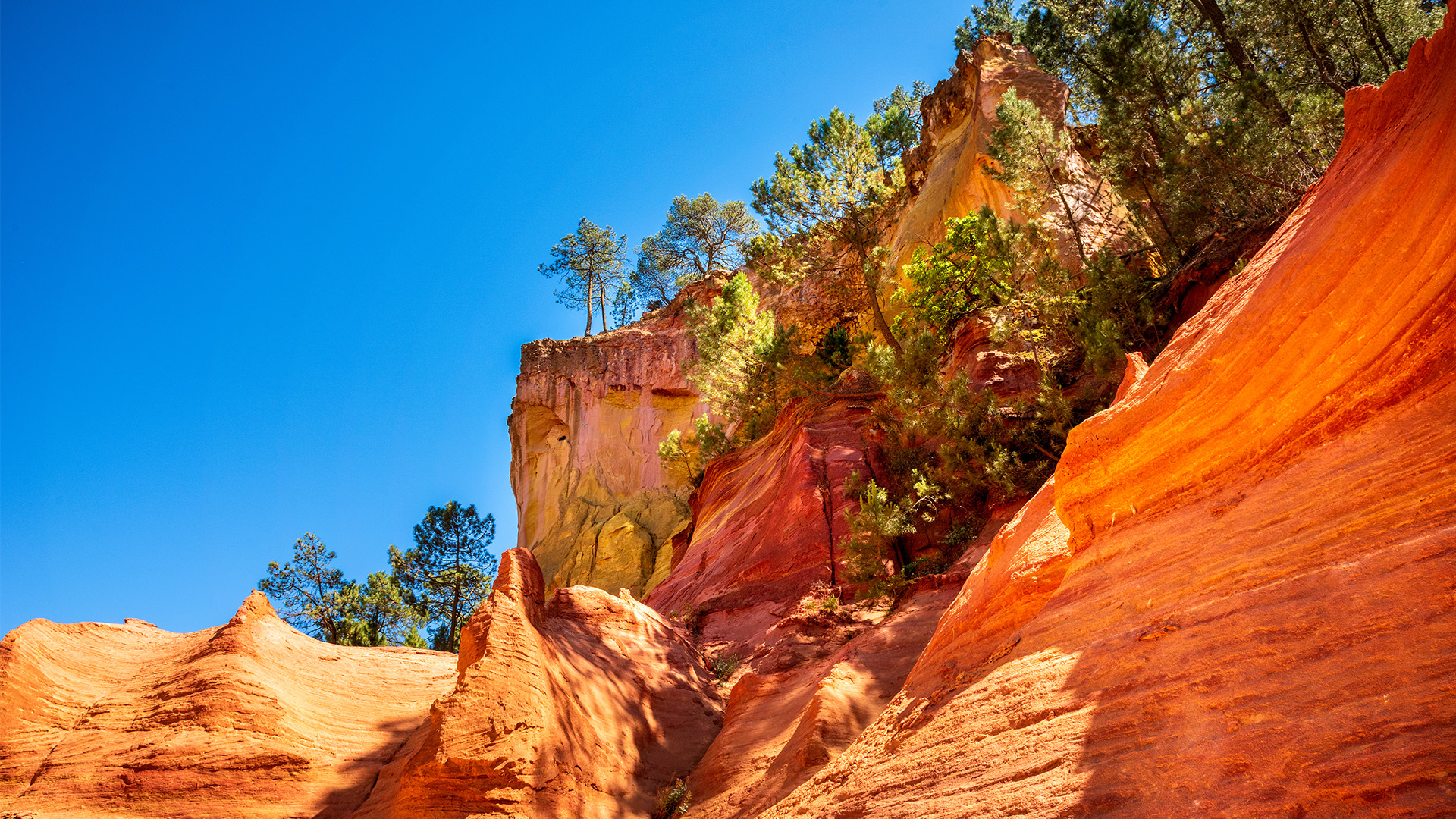
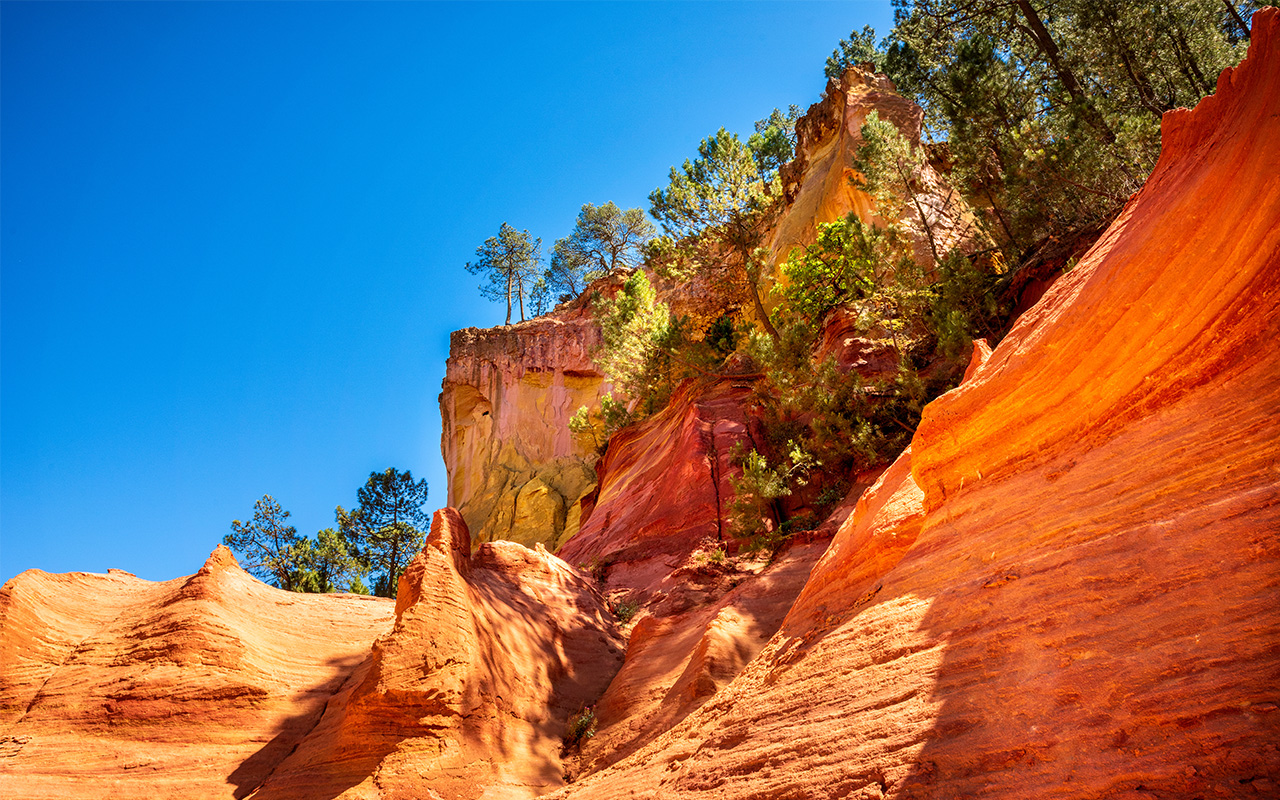
Famed for its 25km ochre deposits that paint the landscape with hues of red, yellow and purple. Treasured also by artists for its rich colour palette. In fact this bright mix of clay and quartz leaves its mark on whatever it comes in contact with, especially your clothes and it is nye on impossible to get rid of.
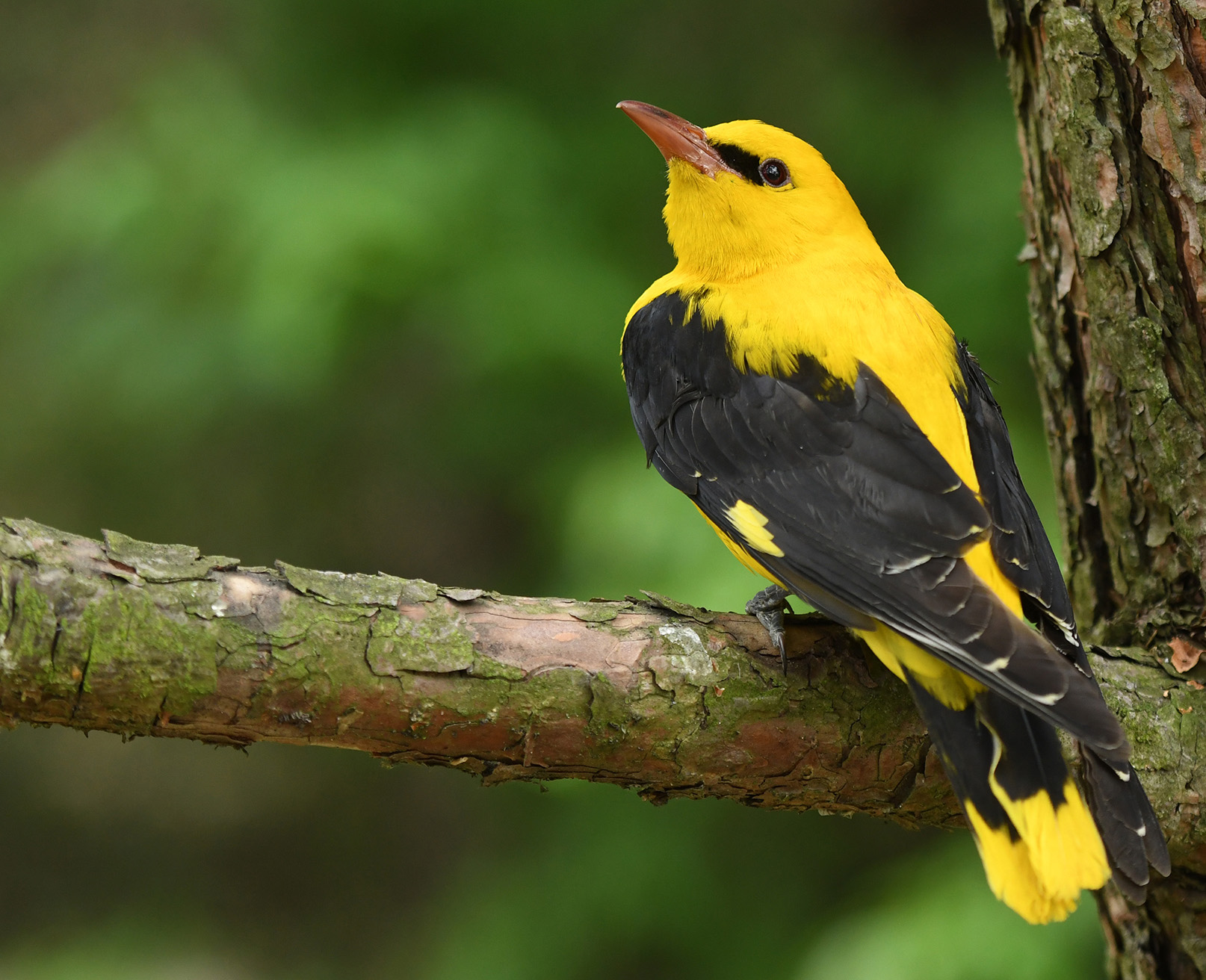
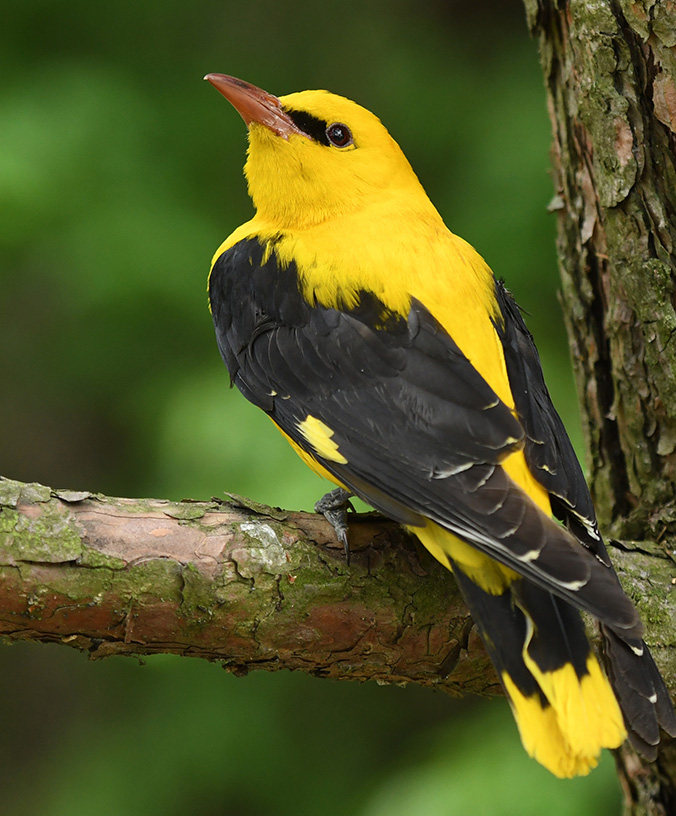
There are some feathered inhabitants that mimic the ochre hues. Yellow is represented in serins, golden orioles and siskins. The reds of a goldfinch’s face mask, the legs of partridge and the pinky tones of the jay. Purple is represented in the blue tones of rock thrush, close up views of a magpie and the spectacular electric blue of a kingfisher.
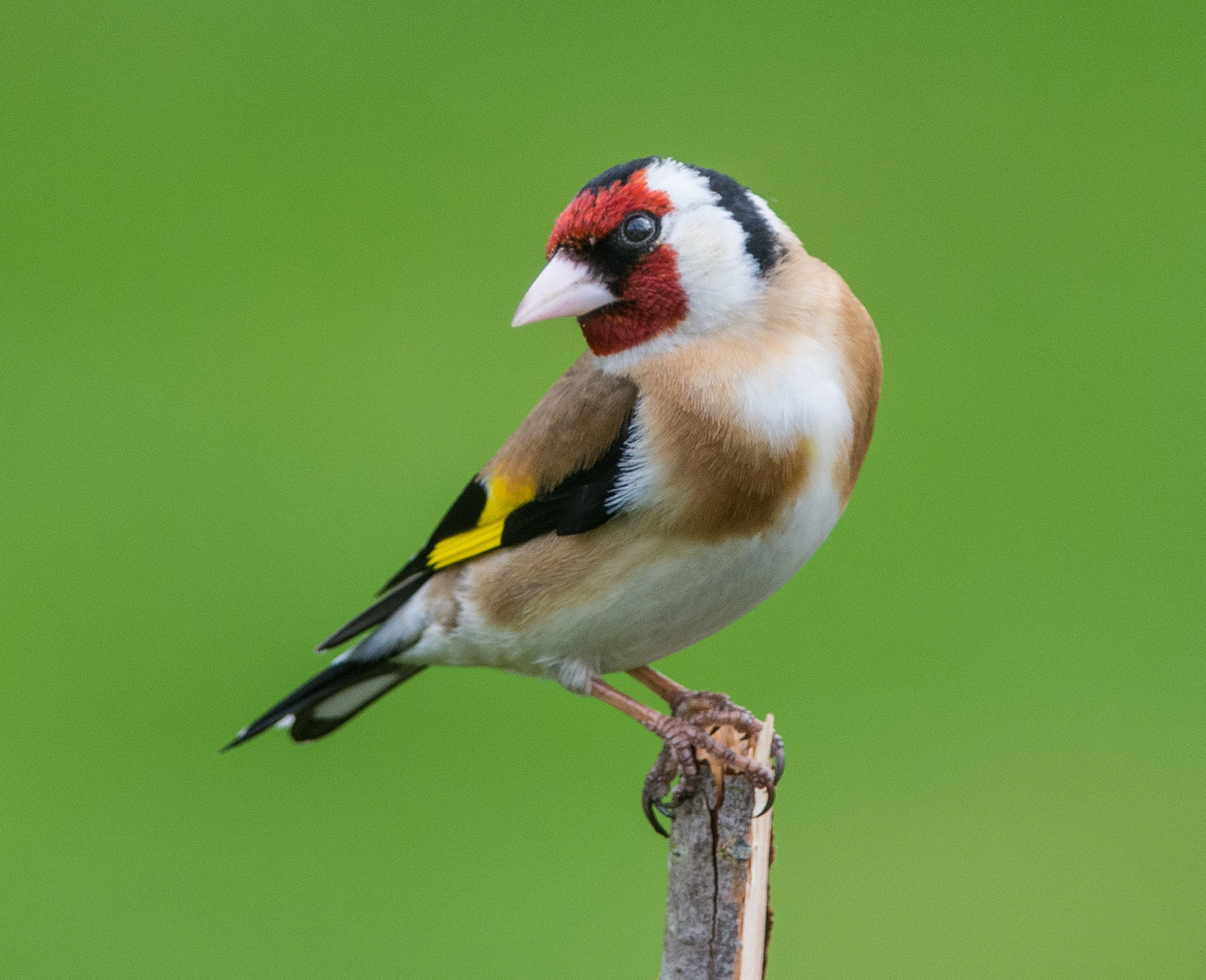
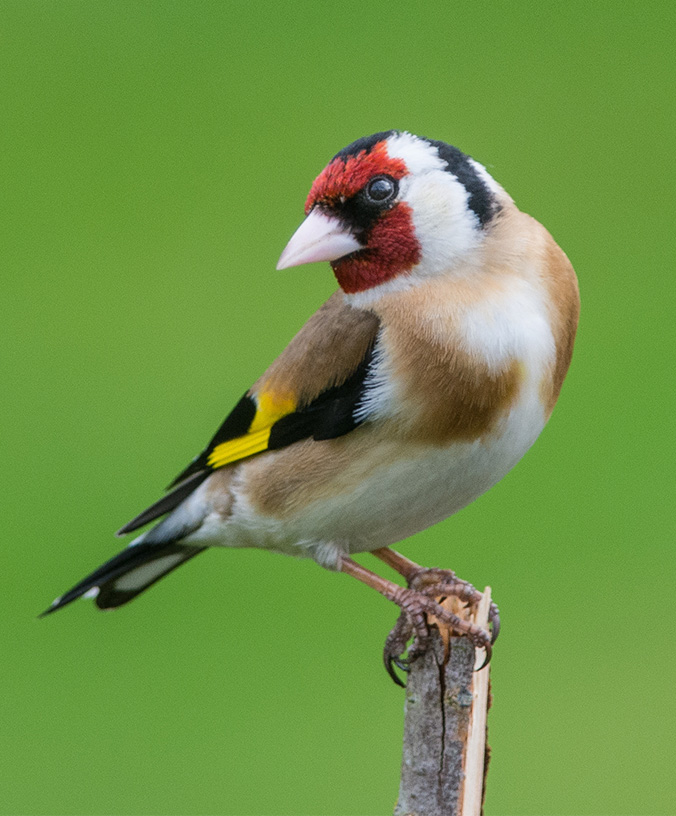
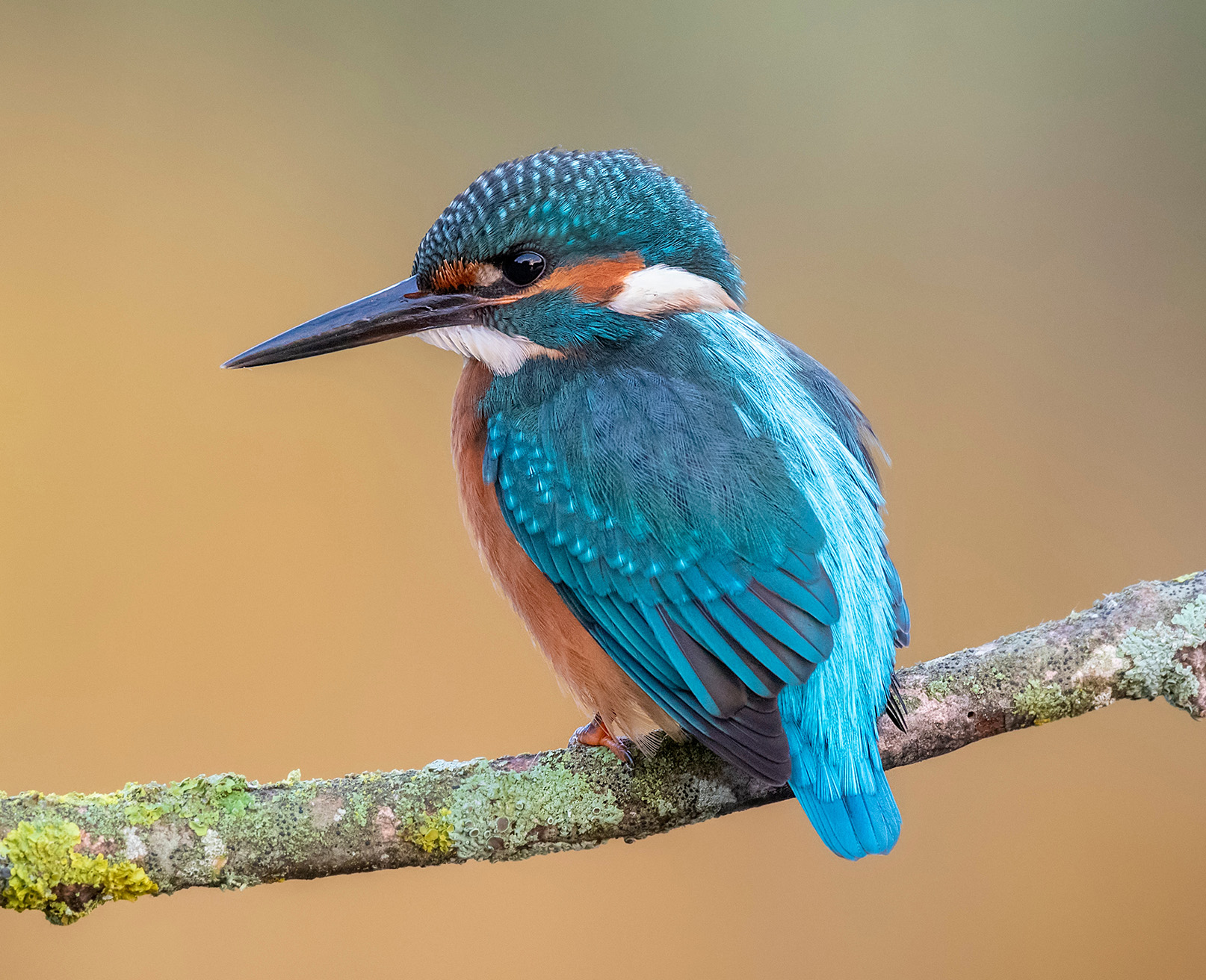
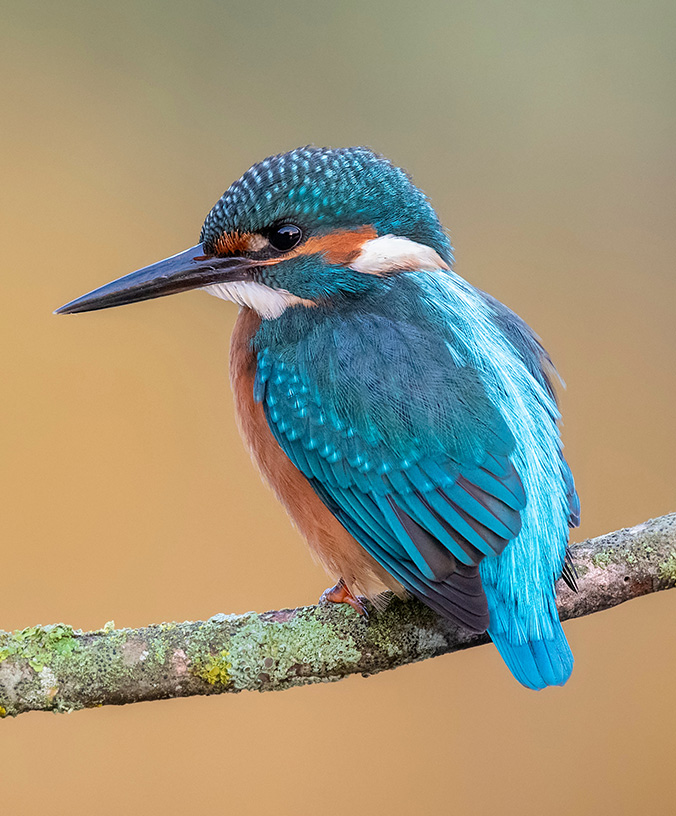
The Luberon has a multitude of natural environments, reserves of exceptional biodiversity: 1,800 species of plants (35% of French flora) including 70 protected by statute, 135 species of birds (50%), 2,300 species of butterflies and moths ( 40%).
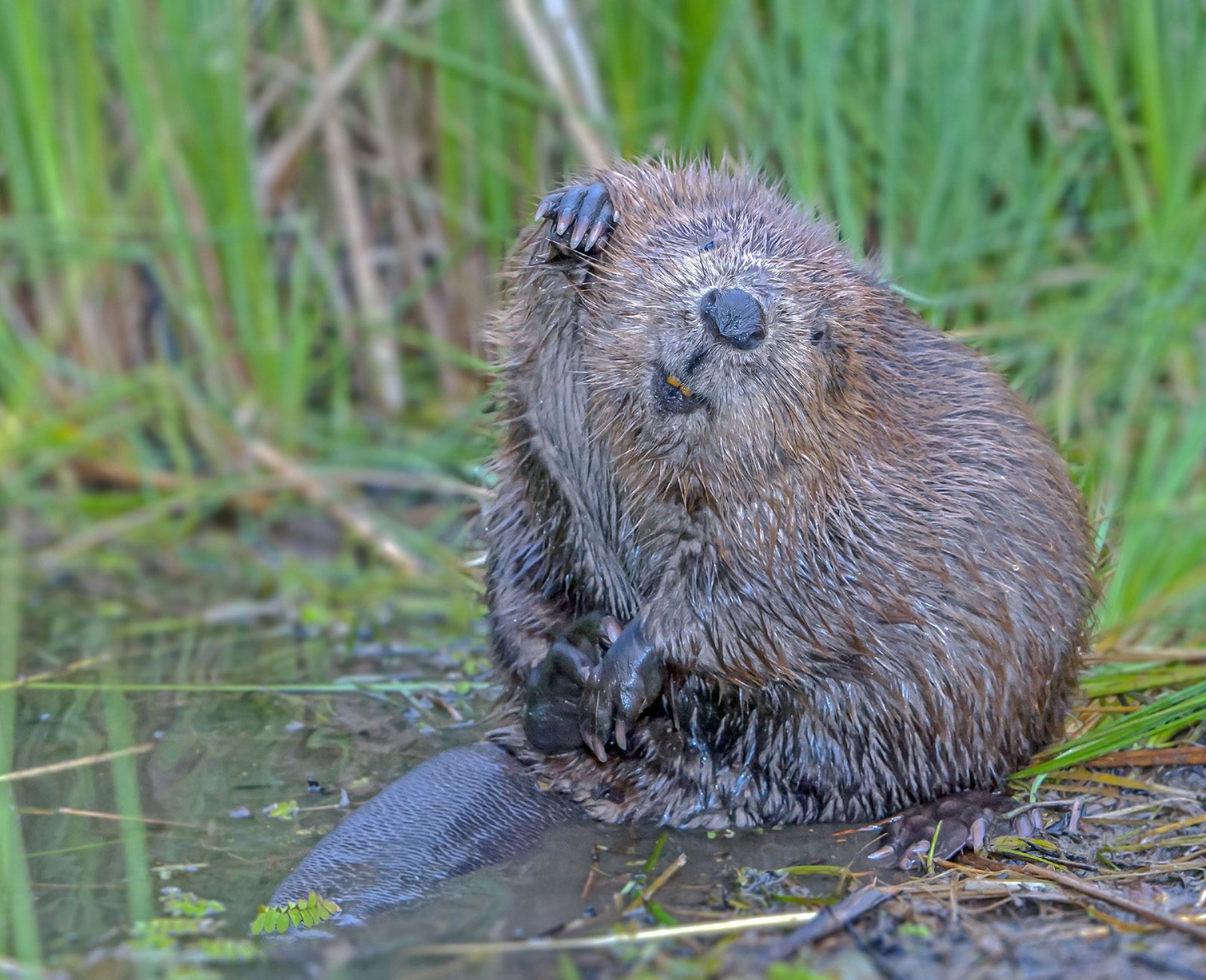
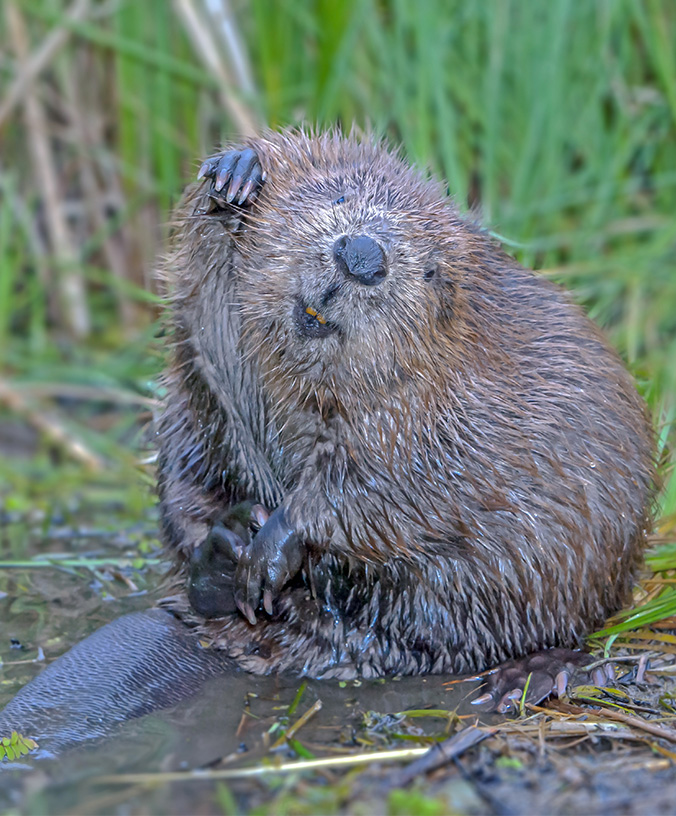
Other notable keystone species are the ecosystem engineers that are beavers. They can be found around Cavaillon and the Coulon Basin. Their dam building can mitigate flooding, cleanse and filter the watercourses of dirt and pollutants, all this whilst creating an ideal environment for numerous other species of insects, amphibians, birds and fish.
Plants, trees and seasonal colour
Downy oak woodland dominates much of the park, interspersed with Aleppo pine on warmer slopes. Juniper, thyme and rosemary characterise drier areas, while orchards and fields add seasonal structure and food resources.
Spring brings orchids and wildflowers; summer hardens the landscape into muted tones; autumn restores colour and movement as insects and birds peak again before winter.
People as part of the system
The Luberon works because it has not been abandoned. Low-intensity farming, grazing and village life have maintained open habitats and prevented large-scale scrub encroachment. When these practices fade, biodiversity follows.
This is a park where human presence has shaped, rather than erased, ecological value.
Exploring the Luberon
The park rewards slow exploration: walking ridge paths, scanning cliffs, pausing in valleys and edges rather than racing between viewpoints. Wildlife is present year-round, but reveals itself most readily to those who take time and observe quietly.
The Luberon is not about rare encounters alone, it is about understanding how landscapes function when given space to breathe.
Why the Luberon matters
In a region under intense development pressure, the Luberon demonstrates how biodiversity can persist within a lived-in landscape. It acts as a vital ecological link between mountain and coast, past and present, nature and culture.
Its value lies not in isolation, but in connection.
Learn about
Official Links