


Mediterranean Massifs, Ridges and Forested High Ground
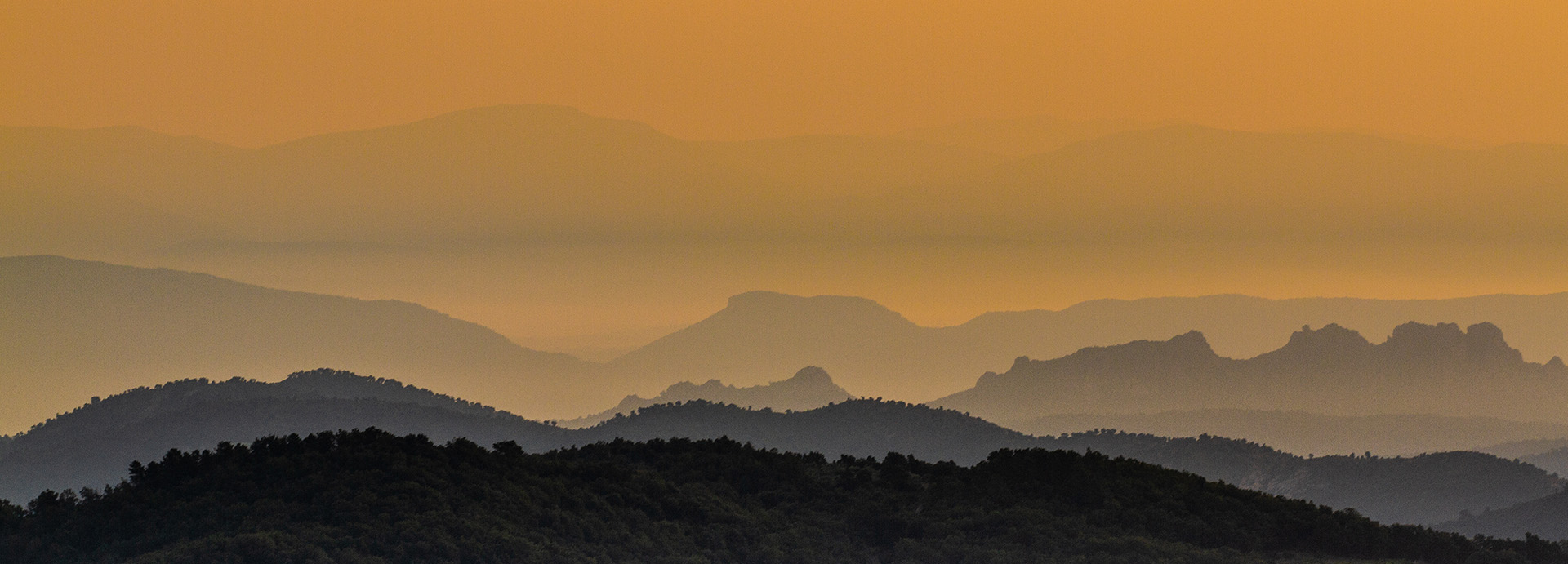
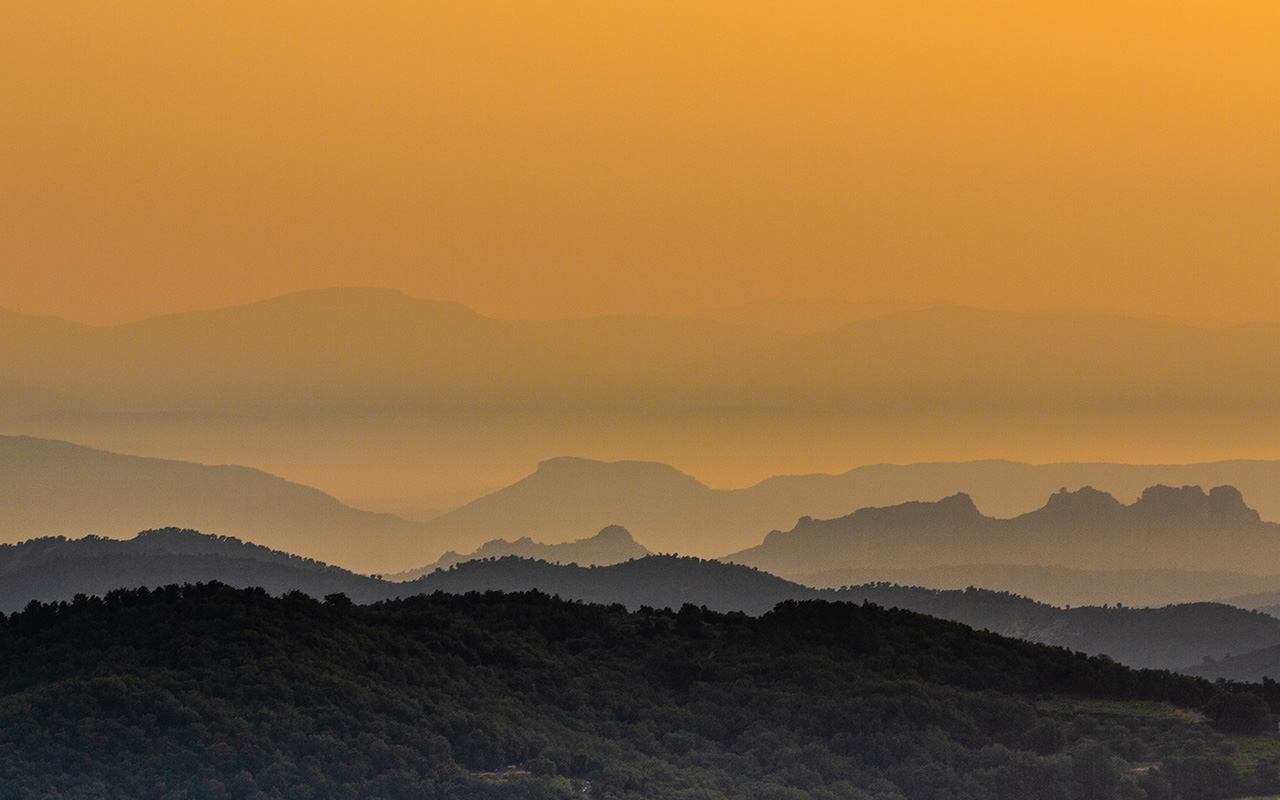
Away from the coast and wetlands, the Var is defined by a chain of rugged Mediterranean massifs and ridge systems that shape much of the department’s ecological character. From the cork oak forests of the Massif des Maures to the volcanic slopes of the Estérel and the rocky heights of Roquebrune, these upland landscapes form a continuous backbone of woodland, scrub, cliffs and open high ground.
Though often outside formal park structures, they represent some of the most important remaining natural habitats in the region.
These uplands are not a single reserve but a network of elevated landscapes linked by geology, climate and land use. Together they support species and habitats that cannot persist in lowland or urbanised environments.
Giant Stepping Stones
A Landscape Defined by Relief and Exposure
The Var’s uplands rise in successive ridges and massifs from near sea level to over 700 metres. Thin soils, steep slopes and strong Mediterranean exposure have limited intensive development, allowing large areas of semi-natural habitat to persist.
Across these massifs you will find:
- Cork oak and holm oak woodland
- Maritime pine forest and mixed maquis
- Rocky ridges and escarpments
- Dry grasslands and open clearings
- Seasonal streams and shaded valleys
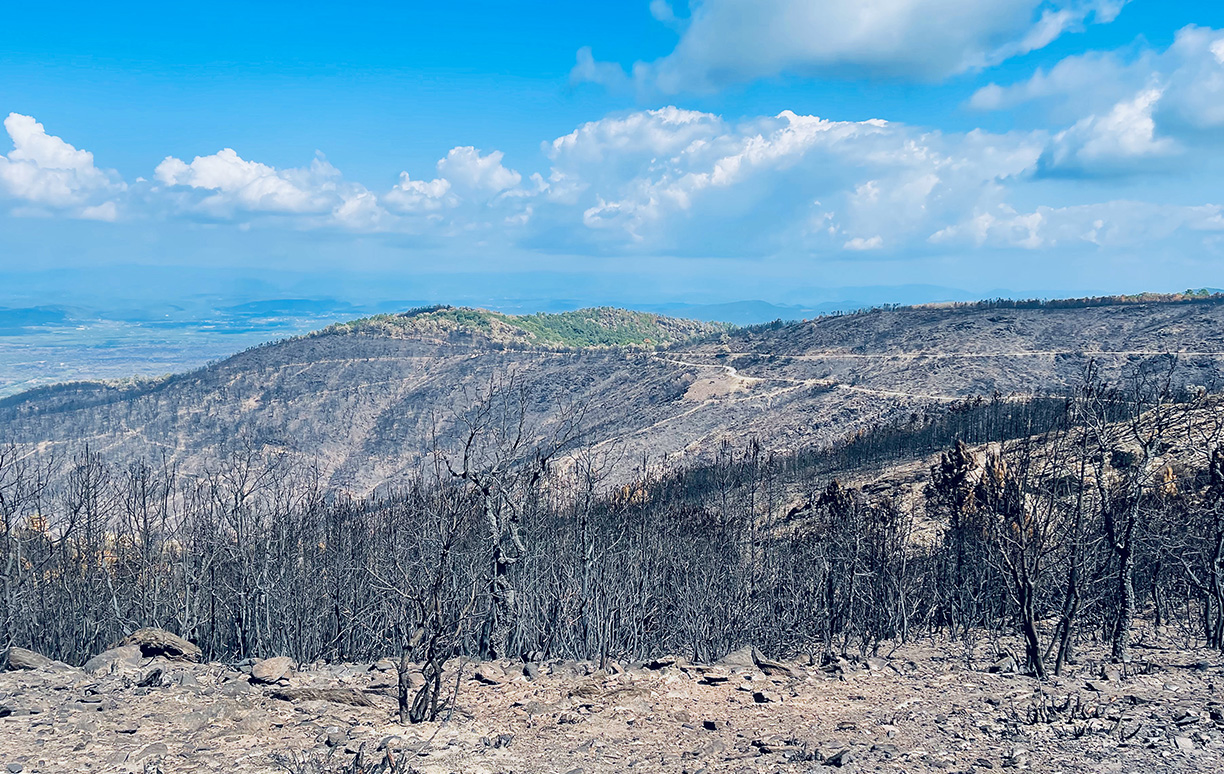
Frequent fire, wind exposure and drought have shaped both vegetation and wildlife, creating resilient but sensitive ecosystems.
Why These Uplands Matter
While wetlands and coastal reserves often draw attention, the Var’s upland massifs provide equally important ecological functions:
- Large continuous habitat blocks for woodland and scrub species
- Nesting and hunting territory for raptors
- Refuges for reptiles and invertebrates adapted to dry Mediterranean slopes
- Migration watchpoints along ridge lines
- Botanical diversity tied to varied geology and altitude
In a department experiencing ongoing urban pressure, these uplands remain essential reservoirs of biodiversity.
Key Upland Landscapes
Massif des Maures
Cork oak forest and Mediterranean wilderness
The Maures also hold several highly localised plant species tied to the massif’s ancient siliceous geology. Among them is a rare endemic violet restricted to only a handful of sites in the Var, a reminder of how these uplands function as long-term botanical refuges as well as wildlife habitat.
It is 60 km of mixed deciduous and evergreen woodland comprising of oaks, ash, pines and chestnuts. At times it is sparsely populated and isolated. It hides creatures like Edible Dormice, Hares, Hermann’s Tortoise, Stone Martins, Roe Deer, Badgers, Foxes and far too many Wild Boar. Their numbers are high due to the lack of a true apex predator, other than the local hunters. This is slowly being addressed by the return of wolves to massif around La Mole. The only problem with this is the lack of tolerance with coexisting with them. They are often shot and persecuted even though they have protected status and European directives on rewilding.
In the autumn the ridges around La Garde-Freinet are used by birds travelling to their wintering grounds as it geographically shortcuts a large section of the coastline. House Martins in particular, seem to favour this route and pass by in their hundreds often accompanied by less numerous Swallows. Alpine and Common Swifts flash by and don’t linger like the feeding Martins. These smaller birds are shadowed by Kestrels and Sparrowhawks that use them as mobile packed lunches. Other birds of prey that drift by are Honey Buzzards, Marsh, Hen and Montagu’s Harriers and the occasional Hobby. Short-toed eagles are generally the last to pass by. Resident species are Firecrests, Nuthatch, Treecreepers, Crested, Long-tailed, Blue and Great Tits. Crag Martins overwinter here and can be seen feeding in and around the summits. On wintery days Mistle Thrushes shout from the treetops. Robins arrive from further afield and have constant boundary disputes with Black Redstarts in my garden. My best garden bird was one of the resident Golden Eagles overhead.
It is a cornerstone of Var biodiversity.
Massif de l’Estérel
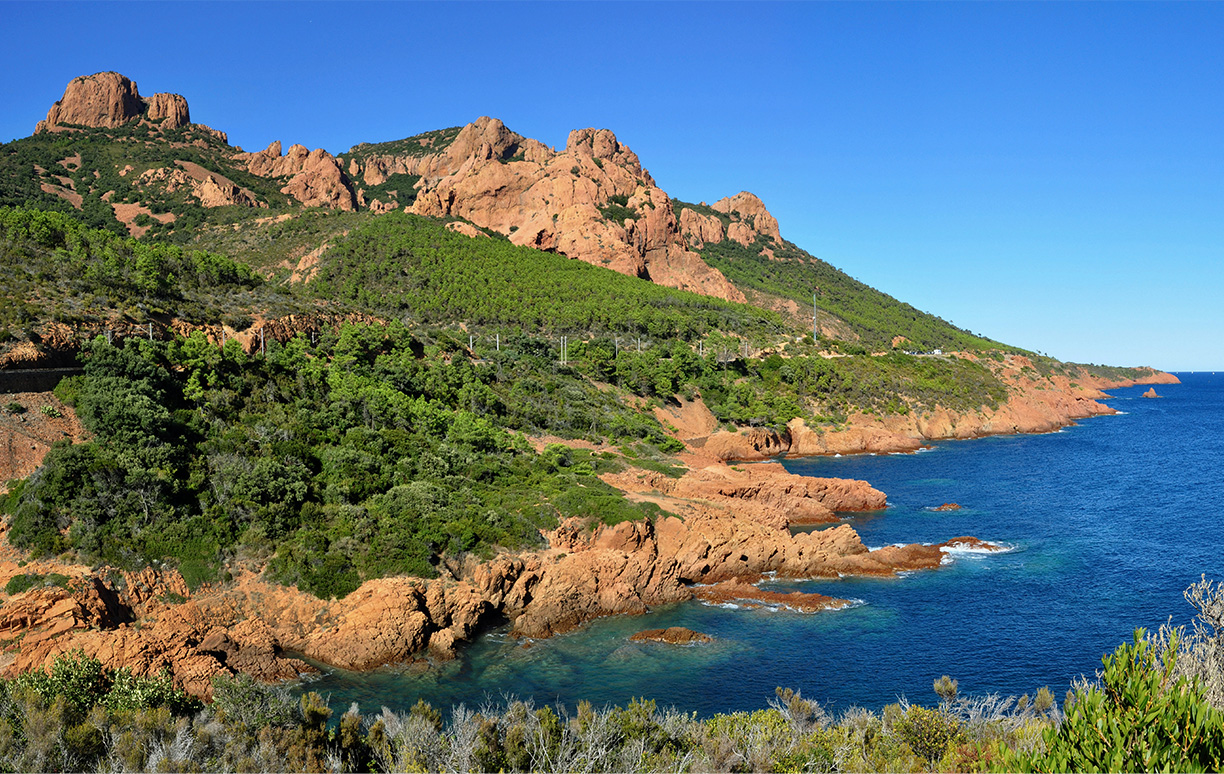
Volcanic ridges and coastal high ground
Rising abruptly from the Mediterranean between Saint-Raphaël and Cannes, the Estérel is defined by its red volcanic rock, steep slopes and maritime exposure. Though well visited, it retains important natural habitats across its ridgelines and interior valleys.
Notable for:
- Coastal raptor movement and migration
- Mediterranean flora adapted to acidic volcanic soils
- Reptiles and invertebrates linked to warm rocky terrain
- Panoramic ridge systems ideal for observation
A distinctive geological and ecological landscape within the region.
Species that can be observed in the surroundings include game animals such as woodcocks, pheasants, thrushes, turtle doves and wood pigeons. Reptiles can be found among shrubs and rocks. Grass snakes, ladder snakes, Montpellier snakes, ocellated lizards and green lizards bathe in the midday sun. Loggerhead Turtles haul out of the sea and lay their eggs on some of the beaches.
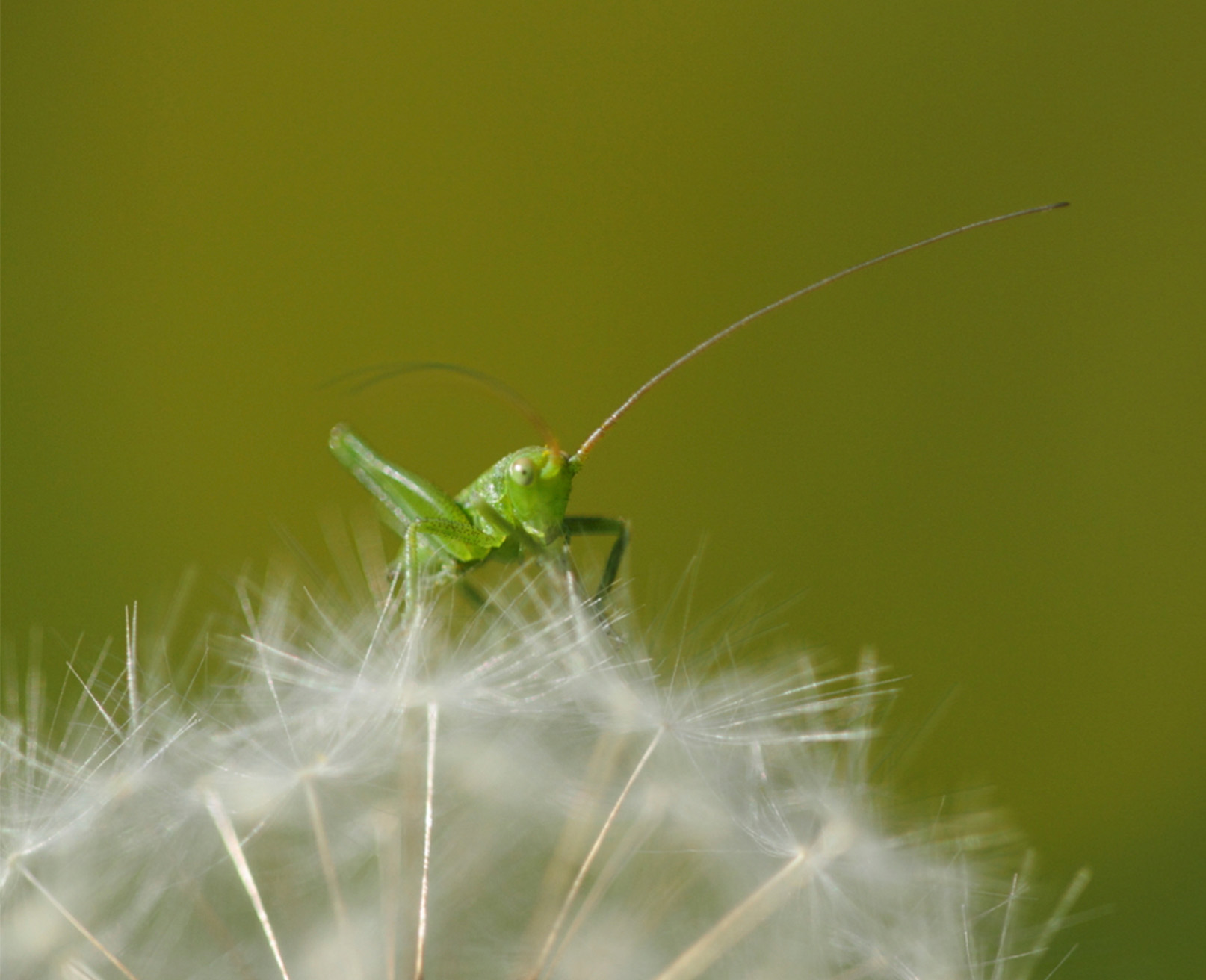
The area is also a paradise for insect enthusiasts, featuring cicadas, crickets, grasshoppers, and praying mantises. A sighting of the Two-tailed Pacha is a treat, as it is one of the largest butterflies in Europe and just one of many butterflies that can be found.
Roquebrune & the Argens Ridges
Rocky outcrops and inland Mediterranean slopes
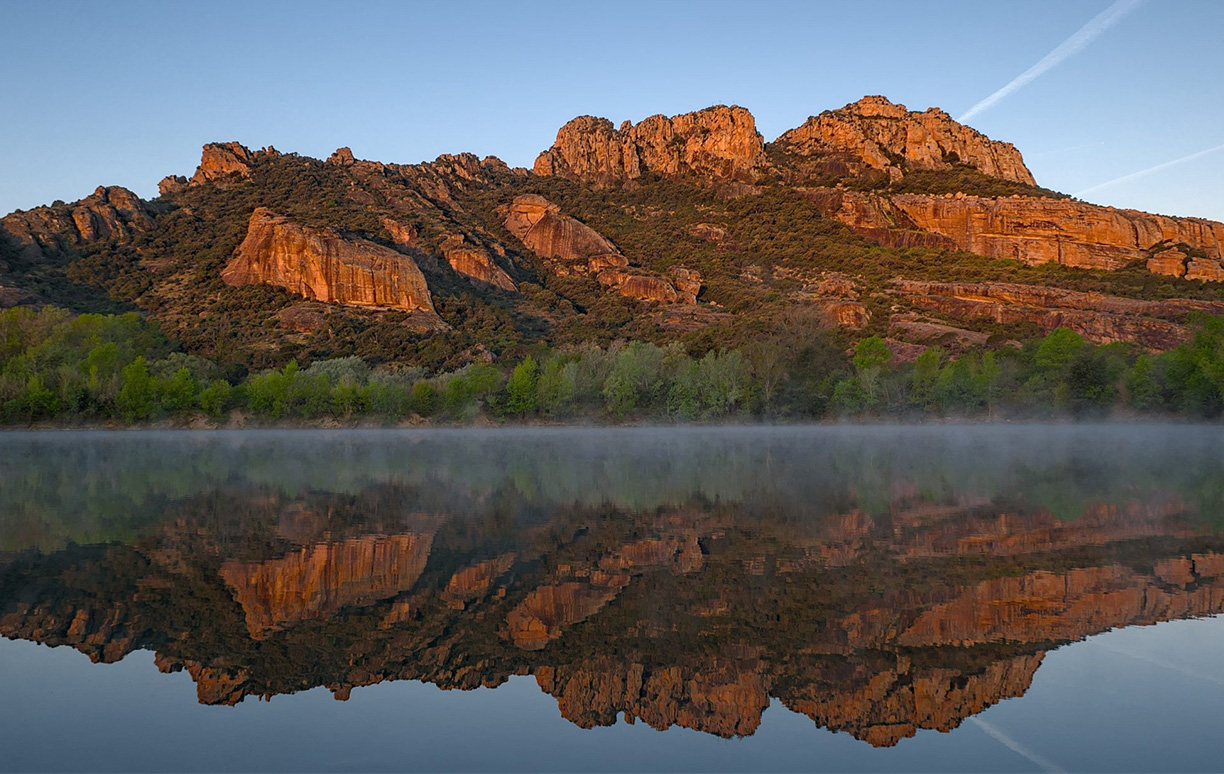
The Rocher de Roquebrune and surrounding ridges form a smaller but ecologically rich upland zone overlooking the Argens plain. Limestone outcrops, dry grassland and scrub support specialised flora and fauna adapted to heat and exposure.
Notable for:
- Open-country and cliff-associated birds
- Orchids and drought-tolerant flora
- Reptiles using rocky terrain
- Strong seasonal variation in wildlife activity
Best explored slowly, with attention to terrain and season.
Breeding birds are particularly interesting as eight pairs of Red-rumped Swallows nest in this area. The arkose cliffs may be home to a nesting pair of Peregrine Falcons. Others include species such as Goshawk (1 breeding pair), Short-toed Snake Eagle (1 breeding pair), Hobby (1 breeding pair), Eagle Owl (1 breeding pair), Little Owl, Scops Owl, European Bee-eater, European Roller, Pallid Swift, Honey Buzzard, Hoopoe, Wryneck, Great Spotted Woodpecker, Corn Bunting, Spotted Flycatcher, Blue Rock Thrush.

A Network Rather Than Isolated Sites
What links these upland landscapes is continuity. Though separated geographically, they function collectively as a chain of elevated habitats running across the Var. Species move between them, particularly birds and wide-ranging mammals, using ridges and forest corridors as connective routes.
For visitors, this means each massif offers a different experience while contributing to a broader ecological picture.
Exploring the Var’s High Ground
These upland areas reward quiet exploration and seasonal awareness. Spring brings flowering plants and increased bird activity. Summer reveals reptiles and insect life in warmer conditions. Autumn migration can be visible along exposed ridgelines, while winter offers clarity and long-distance views.
Conditions can be dry and exposed, particularly in warmer months. Remaining on established paths and respecting fire restrictions is essential.
Why Include These Landscapes
The Var’s ridge systems and massifs are fundamental to understanding the department’s natural character. They provide scale, continuity and ecological depth beyond formal reserves and protected wetlands.
Together they form the elevated counterpart to the coastal plain, a network of Mediterranean uplands where woodland, rock and open sky still dominate.
For naturalists, they offer space, variety and the possibility of discovery across every season.