


Sainte-Baume Regional Park
Rising abruptly from the Provençal lowlands, the Sainte-Baume massif shelters one of the most extraordinary natural refuges in southern France. This is a place where cool, moist forest survives against all climatic logic, a green island suspended above a dry Mediterranean world.
Stepping into Sainte-Baume feels like crossing a boundary ecological, climatic and almost emotional.
The forest that should not exist
A relic forest in a Mediterranean landscape
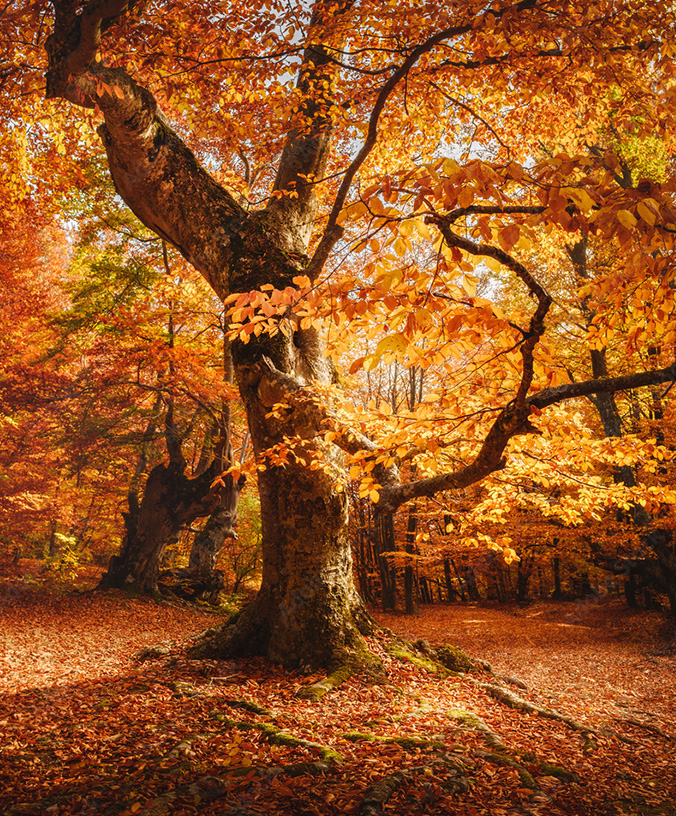
At the heart of the park lies the Forêt de la Sainte-Baume, a north-facing cliff-bound woodland preserved by altitude, shade and centuries of protection.
Here, species normally associated with central and northern Europe persist far south of their expected range:
- Beech and maple dominate the canopy
- Ferns and mosses carpet the forest floor
- Cool, damp air lingers even in midsummer
This is a glacial relic ecosystem, a living archive of a colder past.
Vertical landscapes and natural sanctuaries
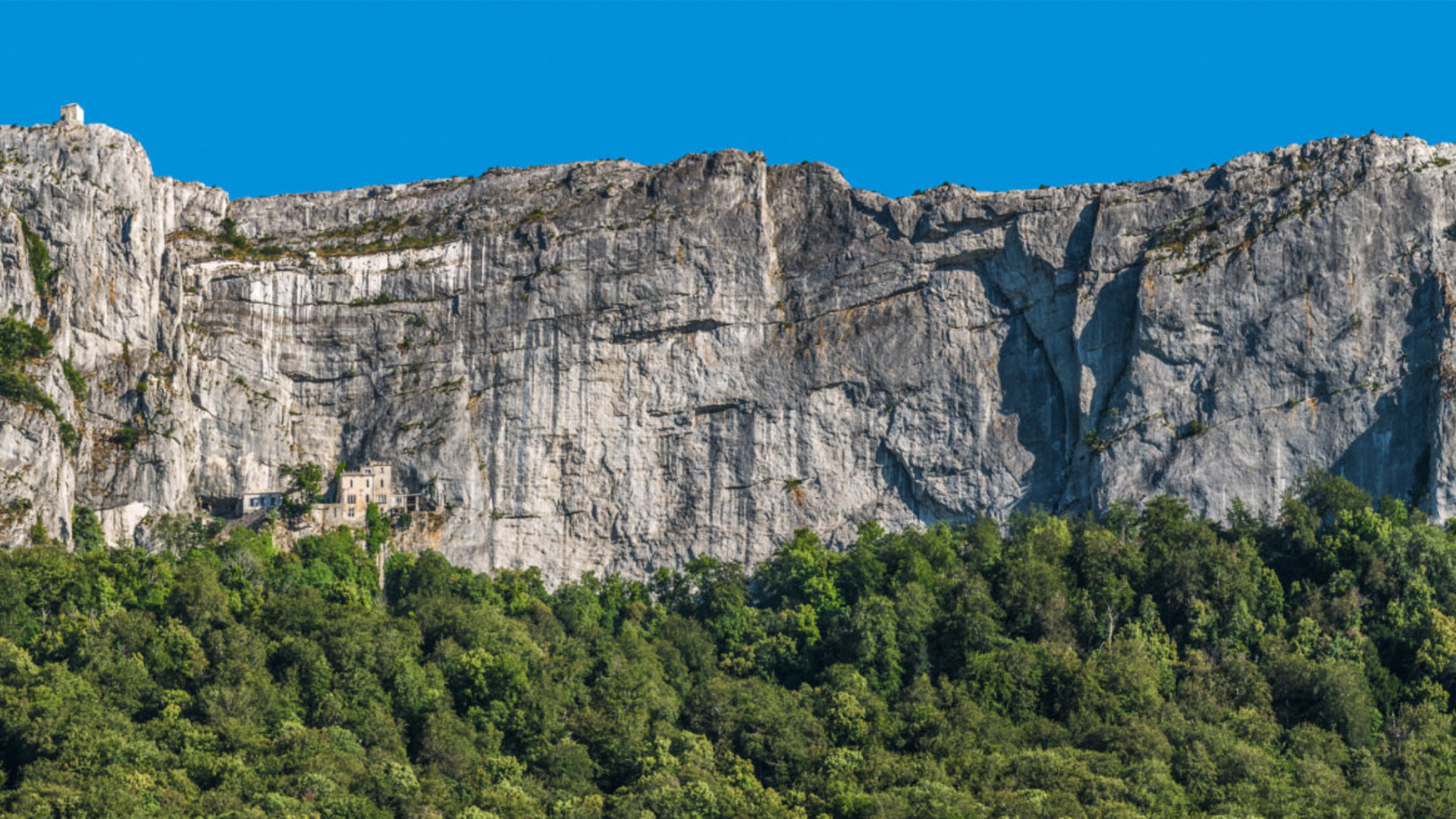
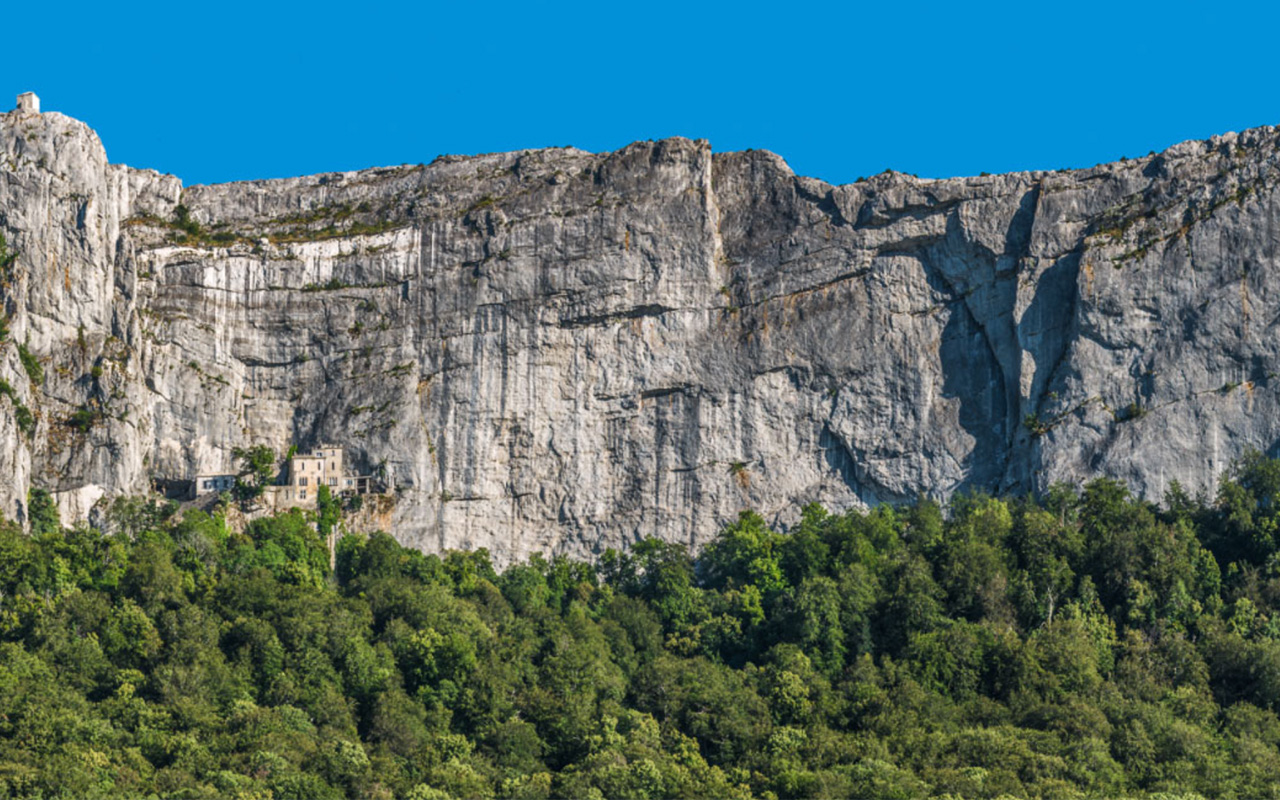
Sainte-Baume is not just a forest — it is a massif of cliffs, scree slopes and limestone walls.
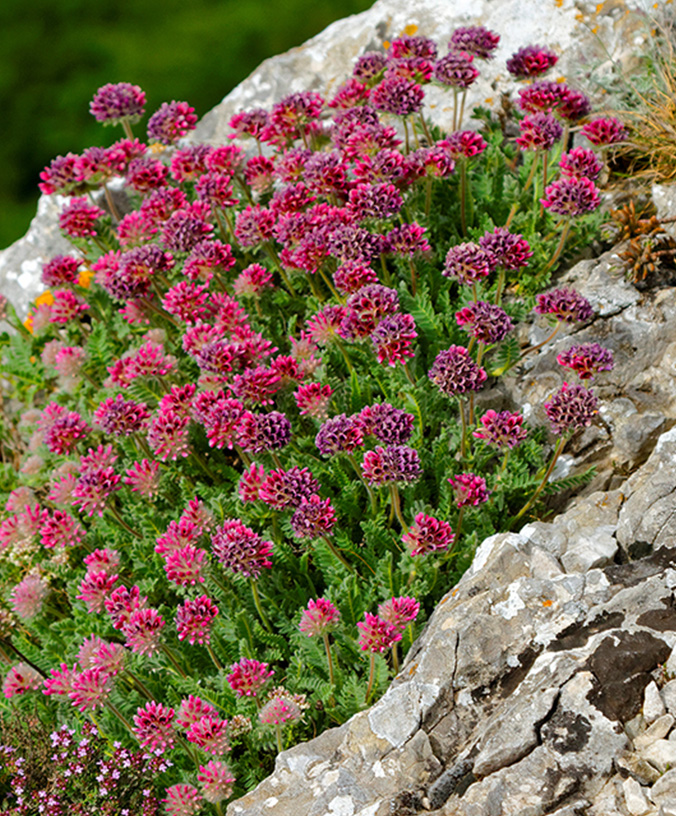
These vertical habitats provide refuge for birds of prey, cliff-nesting species and specialised plants that cling to bare rock. The contrast between dark woodland and sun-blasted limestone creates sharp ecological transitions over very short distances.
Few places in Provence compress such diversity into such a small area.
Wildlife shaped by shelter and shadow
The cool forest interior supports species absent or scarce elsewhere in the region:
- Forest mammals using dense cover and stable microclimates
- Amphibians reliant on moisture and shade
- Invertebrates adapted to low light and high humidity
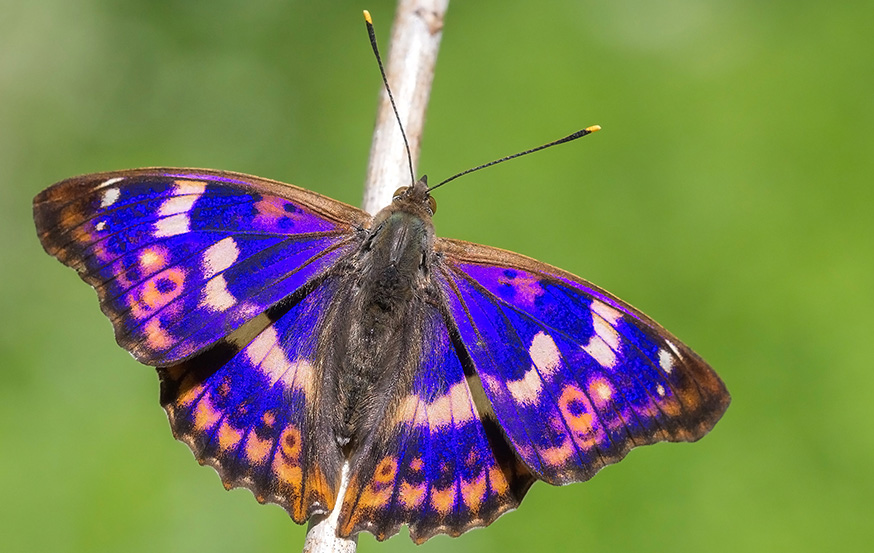
At forest edges, Mediterranean species reappear — reptiles, butterflies and open-country birds thriving just metres from deep shade.
New species are still being discovered and protected like a tiny snail 2mm long called Vertigo angustior.
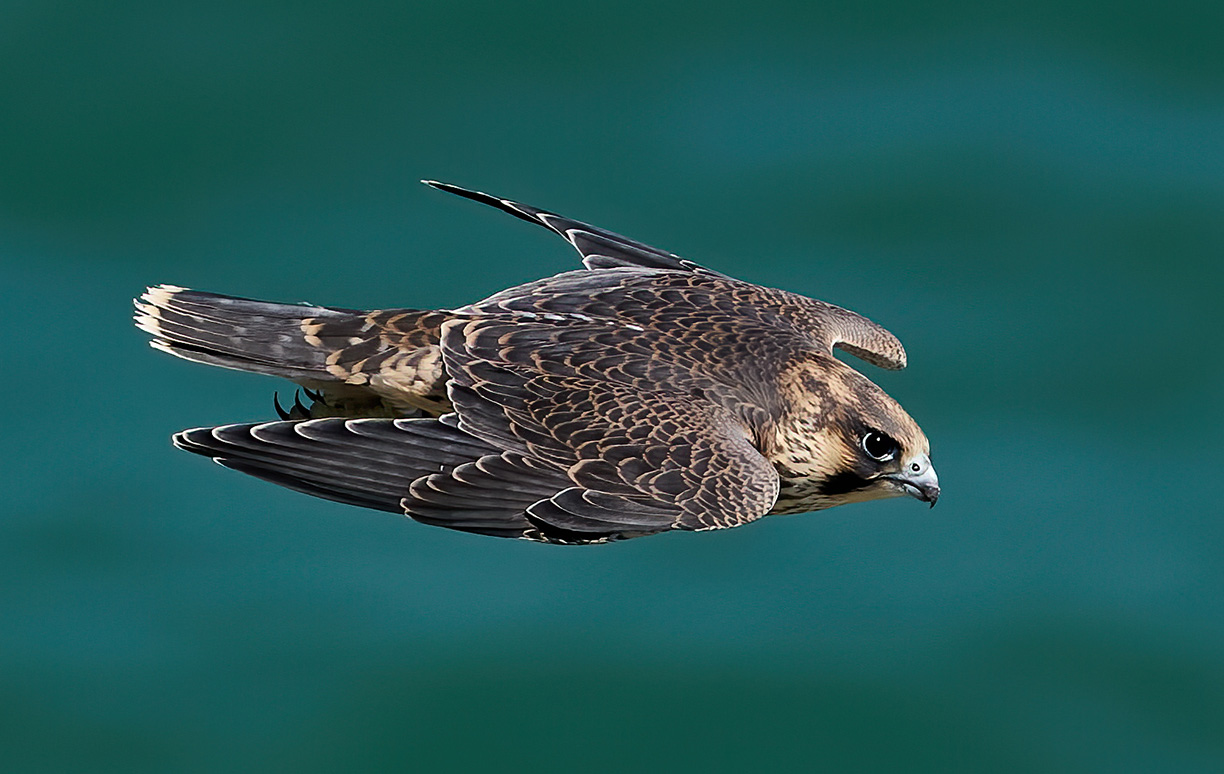
Some of the emblematic fauna of the cliffs:
Bonelli’s eagle, peregrine falcon, eagle-owl, both rock thrushes, Provençal cricket, chamois, longhorn beetles, raven and crag martin.
Some of the emblematic fauna of the forest:
Roe deer, genet, aesculapian snake, black woodpecker, short-toed eagle.
A landscape of pilgrimage and protection
Human history has played an unusual role here. For centuries, spiritual reverence limited exploitation, allowing the forest to survive while surrounding landscapes were cleared and grazed.
Today, conservation builds on that legacy. Protection is not just about species — it is about maintaining silence, shade and restraint in an increasingly pressured region.
Walking into another climate
Exploring Sainte-Baume is a sensory experience.
Paths climb through dry scrub before suddenly entering cool, green stillness. Light fades. Sound softens. Temperature drops. Even on the hottest summer days, the forest offers refuge.
It is a place that reminds visitors how powerfully microclimate and orientation shape life.
Just passing through
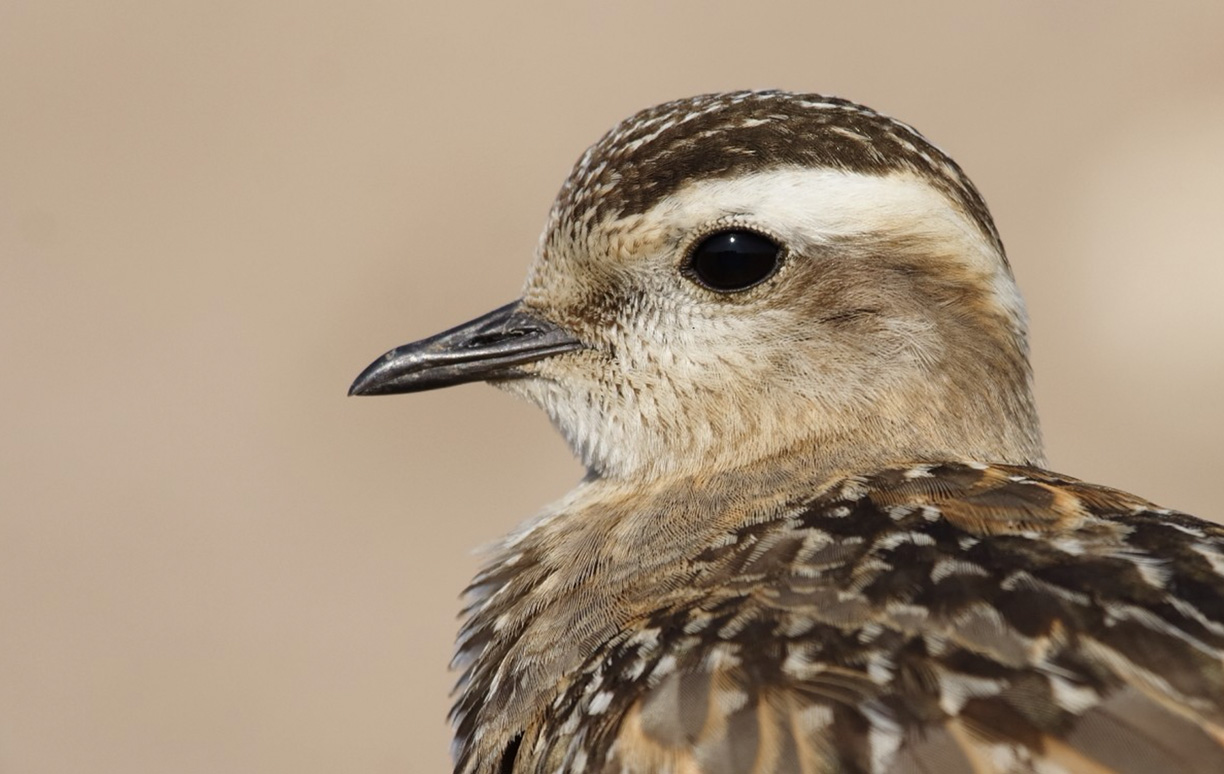
The Dotterel
Handsome plover with a gentle, dove-like face. Breeding plumage distinctive, with bold white eyebrow, white breast band above rusty-orange belly with black centre. Nonbreeding plumage buffy overall, with whitish eyebrow and breast band. A bird of dry upland habitats: breeds on moorland and tundra. Migrants occur here on mountain tops at times in small groups, especially in spring. Often rather tame, but inconspicuous.
Knock on wood
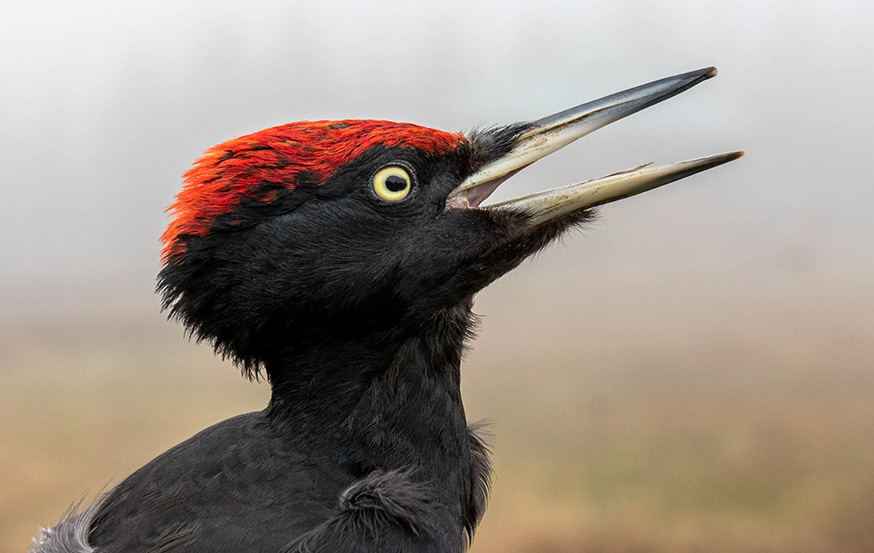
Black Woodpecker
Unmistakable large, crow-sized woodpecker, all black with a red crown, which is reduced in females. Powerful, straight, and rather flappy flight without the undulations of other woodpeckers. Very noisy, with a strident “ke-yaa” given when landing or perched and a “krry-krry-krry” call uttered in flight. Found in a range of forest types, especially older mixed forest.
Conservation context
Sainte-Baume Regional Nature Park protects one of the last intact relic forests of southern France.
In a warming Mediterranean climate, these shaded, moisture-retaining landscapes may become increasingly important refuges for biodiversity. Preserving them means preserving not just species, but options for the future.
Official Links