


Regional Park – Maures–Estérel–Tanneron
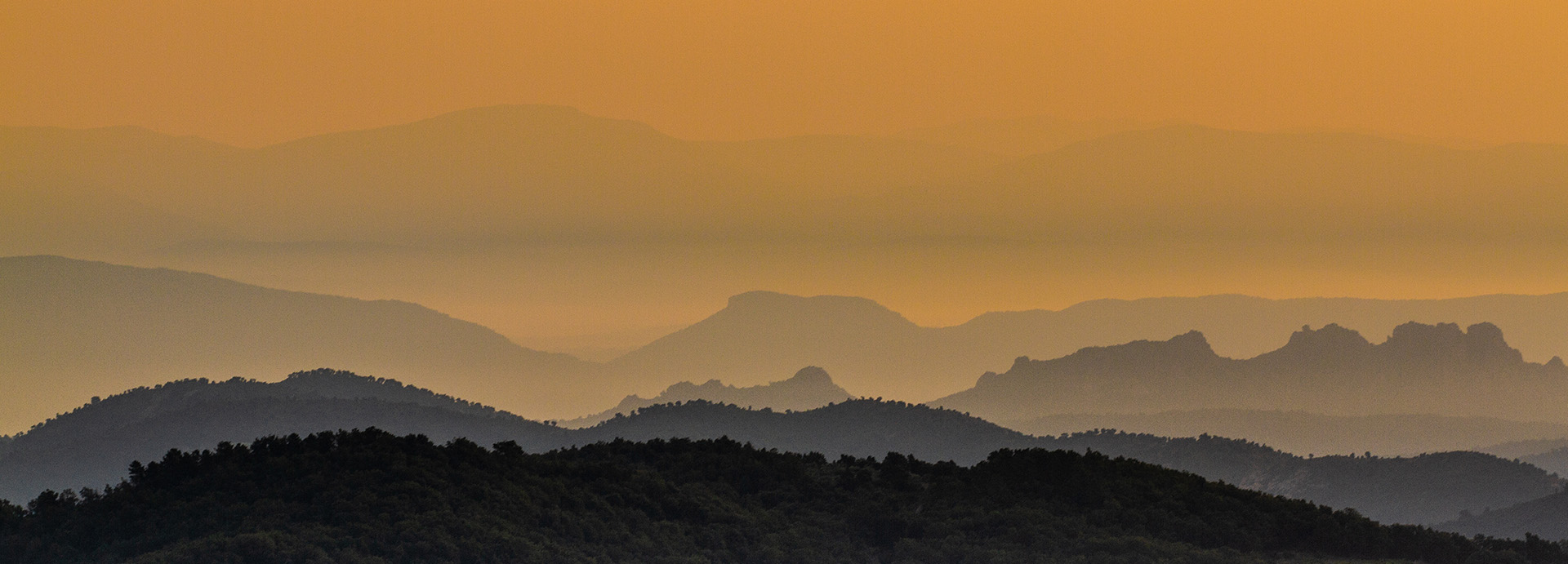
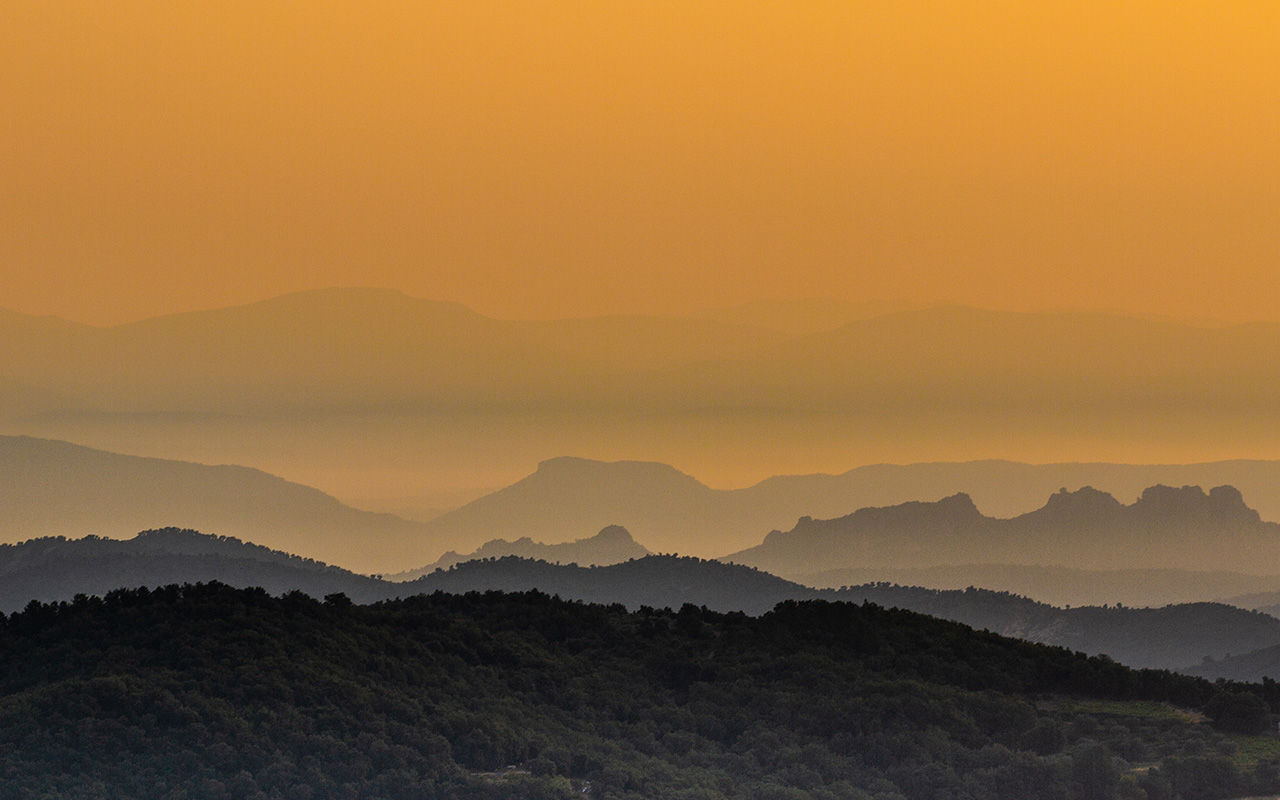
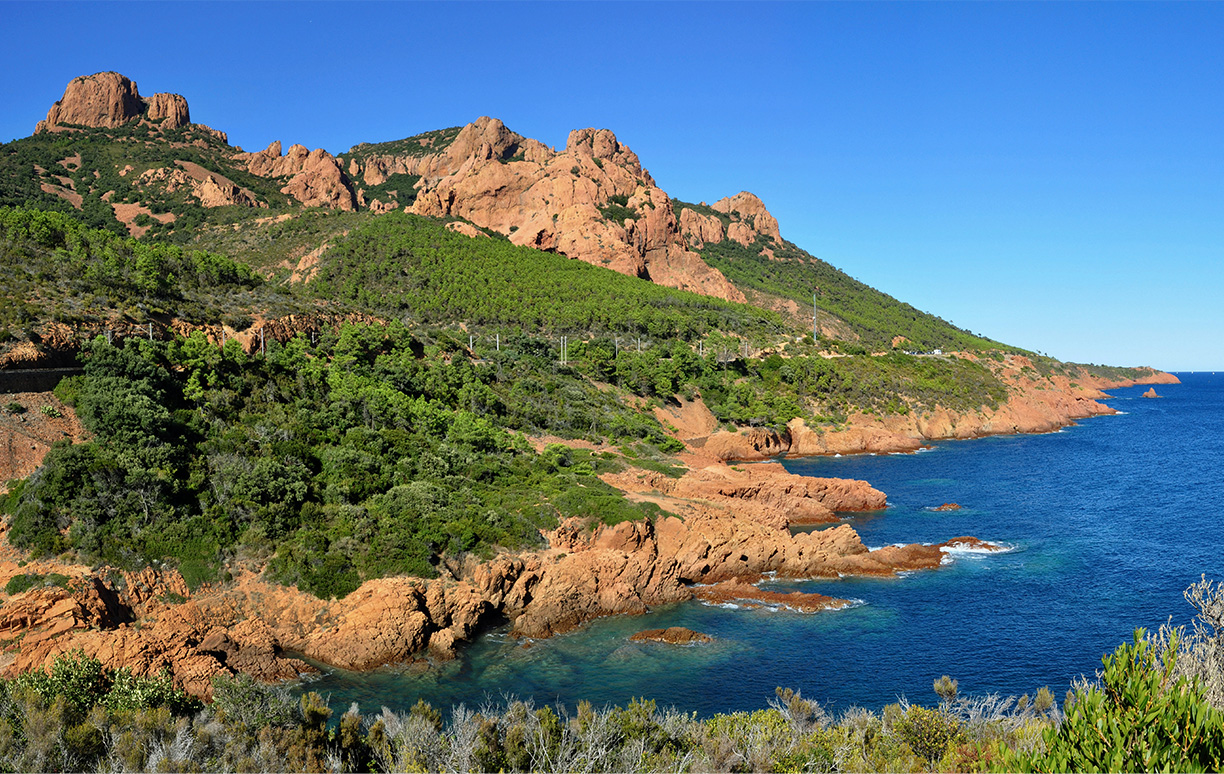
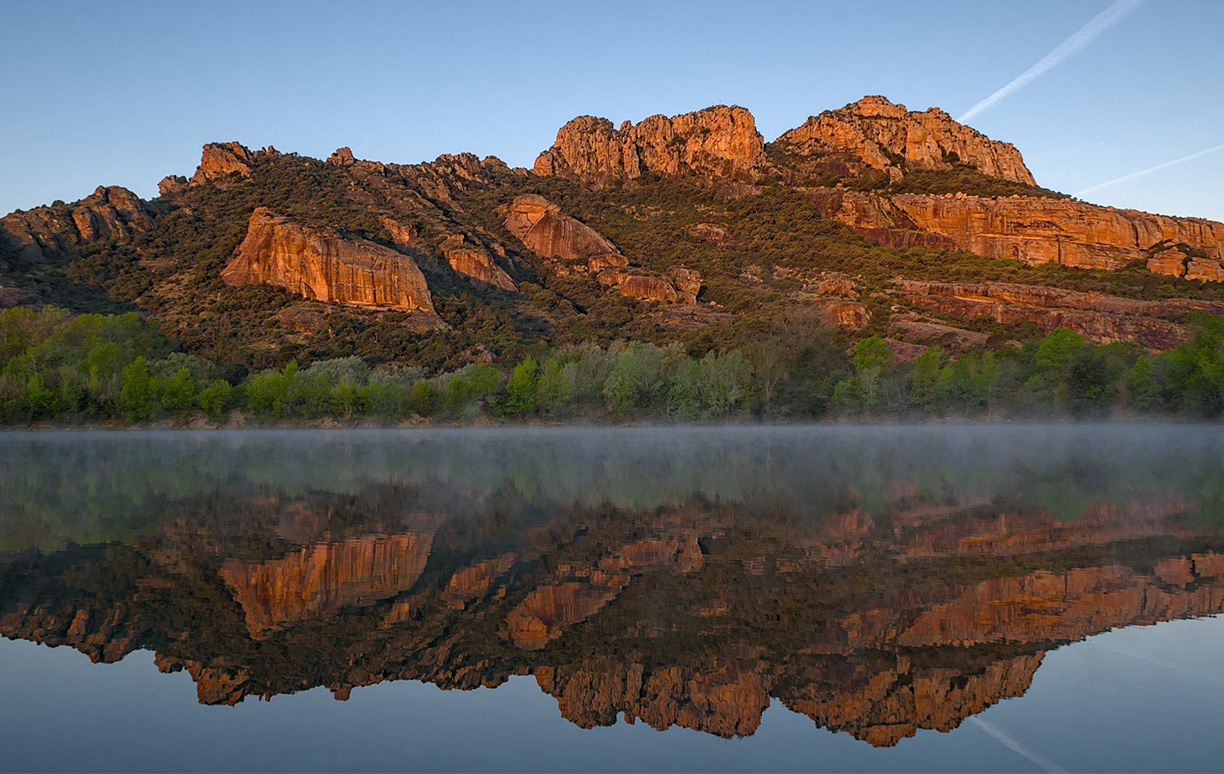
From the wooded ridges behind the Gulf of Saint-Tropez to the red volcanic Estérel and the Tanneron hills above the Siagne, eastern Var contains one of the great natural landscapes of Mediterranean Provence.
This is crystalline Provence, built from ancient siliceous rocks and sharply different from the limestone country that dominates much of inland PACA. Cork Oak forest, chestnut woodland, maquis, volcanic ridges, rocky coast, rivers and temporary pools extend through a territory that remains overwhelmingly forested. Cork harvesting, chestnut growing, viticulture, pastoralism, forestry and, in Tanneron, mimosa cultivation have shaped those landscapes for centuries.
Giant Stepping Stones
Landscape & Habitats
The proposed Maures–Estérel–Tanneron Regional Natural Park is now in formal prefiguration. The current project covers around 155,100 hectares, 53 communes and nearly 99,000 inhabitants, with a 15-year charter being developed ahead of expected classification in 2028.
Birding the Maures–Estérel–Tanneron
In the Maures, spring brings European Turtle Dove back into woodland while Nightingale sings from dense vegetation and Eurasian Scops Owl becomes audible after dark. Firecrest, Eurasian Nuthatch, Short-toed Treecreeper, Crested Tit, Great Spotted Woodpecker, Eurasian Jay and Common Crossbill occupy different mixtures of oak, chestnut and coniferous woodland. Older forest and chestnut country add Northern Goshawk, Common Redstart, Wryneck and Spotted Flycatcher, while open Cork Oak woodland provides suitable country for Western Orphean Warbler and Long-eared Owl.
Open ground changes the birds quickly. European Nightjar, Tawny Pipit, Woodlark, Hoopoe, European Bee-eater and Mediterranean warblers use clearings, maquis, firebreaks and less densely wooded slopes, while Short-toed Snake Eagle hunts the reptile-rich country from spring onwards. Rocky areas bring Blue Rock Thrush, Eurasian Eagle-Owl and Common Raven.
The ridges around La Garde-Freinet acquire another identity during autumn migration. WoodPACA has watched House Martins moving through in their hundreds, often accompanied by Barn Swallows, while Common and Alpine Swifts pass rapidly overhead. European Honey Buzzard, Eurasian Sparrowhawk, Common Kestrel, Western Marsh Harrier, Hen Harrier, Montagu’s Harrier and Eurasian Hobby can all become part of the movement, with late Short-toed Snake Eagles heading south after the breeding season.
Golden Eagle is firmly part of the Massif des Maures. The wooded ridges and open country fall within established Golden Eagle territory, with birds ranging widely across the massif while hunting. WoodPACA has recorded Golden Eagle directly overhead in the Maures, confirming that this deeply Mediterranean landscape is genuine eagle country.
The eastern side of the future park adds a very different birding experience around Saint-Cassien. More than 180 bird species have been recorded at Fondurane, where reedbeds, willow woodland and open water support Little Bittern, Black-crowned Night Heron, Purple Heron, Western Marsh Harrier and Eurasian Teal. The neighbouring La Fustière marsh is important to migrants and adds Red-rumped Swallow to the local birding interest. Woodland birds and raptors moving through the surrounding Tanneron and Estérel hills can therefore be encountered surprisingly close to a substantial wetland community.
At Roquebrune, the emphasis changes again. Red-rumped Swallow, Blue Rock Thrush, Peregrine Falcon, Eurasian Eagle-Owl, European Bee-eater, European Roller, Hoopoe and Wryneck belong to the rocky and open country. Below the Rocher, Common Kingfisher, herons and Black Kite turn attention towards the Argens.
Mammals
The forests of the Maures support Wild Boar, Roe Deer, Red Fox, European Badger, Stone Marten, Common Genet and Edible Dormouse. Many are predominantly nocturnal, making tracks, rooting, droppings and feeding remains considerably easier to encounter than the animals themselves.
The Estérel has a large-mammal story of its own. Red Deer were reintroduced during the twentieth century and subsequently established a population in a strikingly Mediterranean setting of Cork Oak, pine, maquis and volcanic ridges. Roe Deer and Wild Boar share the same wider landscape.
The European Otter has returned to the Argens after disappearing from the river for decades. Its comeback was discovered almost accidentally in late 2017 when an otter appeared in the background of a filmed interview beside the river. Follow-up searches in 2018 found characteristic spraints on the upper Argens, confirming that the species was again using a river from which it had disappeared since the 1970s.
Grey Wolf has also recolonised the wider territory. Its presence returns a large predator to landscapes already carrying substantial Wild Boar and deer populations, while raising genuine questions for pastoralism and livestock management.
Bats, the wider Maures landscape supports an exceptional assemblage including European Barbastelle, Bechstein’s Bat, Schreiber’s Bent-winged Bat, Long-fingered Bat, Geoffroy’s Bat, Greater Mouse-eared Bat, Lesser Mouse-eared Bat, Greater Horseshoe Bat and Lesser Horseshoe Bat. Old Cork Oaks and Sweet Chestnuts matter because tree cavities, loose bark and veteran timber provide shelter absent from young uniform woodland.
The Estérel contributes its own important bat fauna. Bechstein’s Bat has particular significance in the old forest, while Long-fingered Batprovides a very different ecological connection with water and underground roosts.
The wider Siagne system is particularly important for cave bats. Underground sites can support substantial gatherings of Schreiber’s Bent-winged Bat and Long-fingered Bat, accompanied across the wider protected landscape by Greater, Lesser and Mediterranean Horseshoe Bats, Bechstein’s Bat and both Mouse-eared Bats.
Reptiles & Amphibians
Few animals represent the future park better than Hermann’s Tortoise. The Massif and Plaine des Maures form the principal mainland French stronghold, with tortoises using mosaics of open Cork Oak woodland, maquis, grassland, vineyards and clearings rather than dense forest alone.
The wider Maures herpetofauna is exceptional. Ocellated Lizard, Western Green Lizard, Western Three-toed Skink and Edwards’s Sand Racer exploit different combinations of warm open ground, scrub and woodland edge. Snakes include Montpellier Snake, Ladder Snake, Southern Smooth Snake, Smooth Snake, Viperine Snake, Grass Snake, Aesculapian Snake and Asp Viper.
That mixture reveals just how varied the massif is. Montpellier Snake and Ocellated Lizard belong readily to the Mediterranean image of the Maures, while Aesculapian Snake reaches into cooler, wooded country.
Amphibians tell a similar story. Mediterranean Tree Frog, Natterjack Toad and Parsley Frog use Mediterranean wetlands and temporary waters, while Agile Frog and Fire Salamander bring a distinctly woodland element into cool, humid valleys.
European Pond Turtle follows the freshwater network. The species occurs across the wider Maures landscape, within the Siagne system and at protected wetlands around Saint-Cassien. Fondurane is one of the places where freshwater turtles can be part of a much larger wetland community.
Hermann’s Tortoise has a much more precarious history in the Estérel. The species remains recorded within the protected Estérel landscape, but has declined severely across the massif. This is an important contrast with the Maures: bringing the massifs into one Regional Park does not mean their tortoise populations are equally secure.
The Siagne adds another extraordinary reptile and amphibian community. Strinati’s Cave Salamander spends its life in humid caves and fissures without returning to open water to breed. The wider protected Siagne landscape also contains Orsini’s Viper, but this belongs principally to its higher limestone country rather than the crystalline Tanneron hills.
Butterflies, Dragonflies & Other Invertebrates
The forests carry an invertebrate fauna every bit as important as the more conspicuous vertebrates. Hermit Beetle, Violet Click Beetle, Stag Beetle and Great Capricorn Beetle depend upon old trees, cavities and decaying timber that can take decades to develop. Ancient Cork Oaks and Sweet Chestnuts are therefore living habitat structures rather than simply components of the scenery.
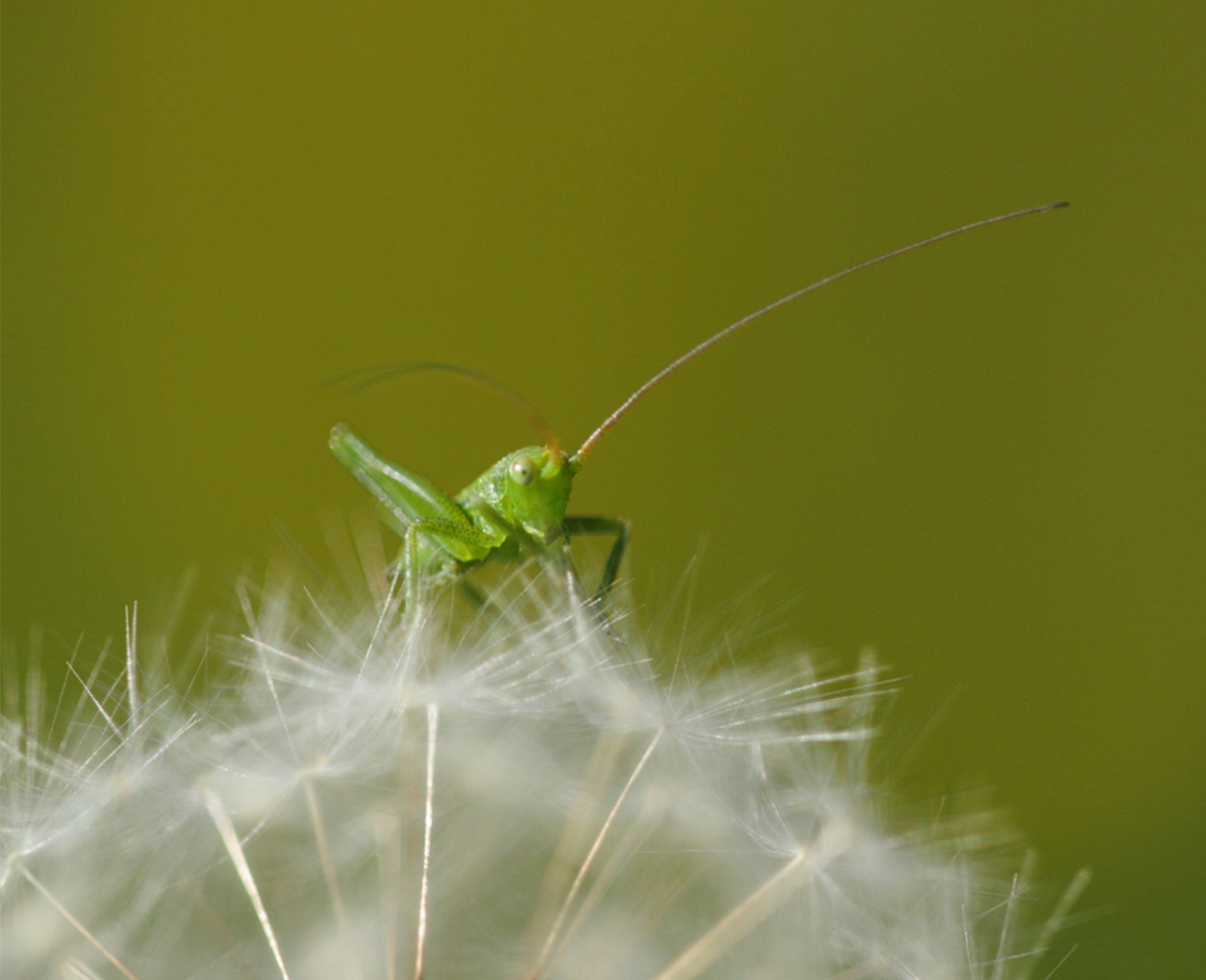
In the Maures, Two-tailed Pasha is closely tied to Strawberry Tree, the foodplant of its caterpillars. Southern Festoon, Marsh Fritillary and Jersey Tiger broaden the butterfly and moth fauna across open ground, grassland and wetter woodland margins, while Predatory Bush Cricket adds one of the more impressive inhabitants of the hot, open vegetation.
Water produces a completely different insect community. Mercury Bluet and Orange-spotted Emerald occur within protected parts of the wider Maures and Siagne systems, connecting dragonfly conservation with streams and river corridors that occupy only a fraction of the forested landscape.
The Estérel has the same sharp contrast at a smaller scale. Old Cork Oak forest supports Stag Beetle and Great Capricorn Beetle, while Marsh Fritillary and Jersey Tiger use other parts of the habitat mosaic. Small volcanic streams and temporary freshwater habitats add aquatic insects to a massif usually approached for its red cliffs and forest.
Around Saint-Cassien, the wetland system becomes larger and more persistent. Fondurane alone holds roughly 30 dragonfly and damselfly species, giving Tanneron’s eastern side a significant odonate landscape as well as its better-known birds and European Pond Turtles.
Freshwater Life
The Argens, Siagne, Giscle and Môle connect the massifs with surrounding plains and the Mediterranean coast. Smaller streams, rock basins and temporary pools create another network at a much finer scale, some holding water only seasonally.
The Maures water system supports Mediterranean Barbel and Souffia, while its temporary pools and seasonal streams provide habitat for European Pond Turtle, amphibians, dragonflies and specialised plants.
The Siagne supports Mediterranean Barbel, Souffia and White-clawed Crayfish, with the wider river system also supporting substantial bat populations. Its springs, tributaries, caves and riparian woodland link surface water to a much larger underground hydrological system.
The Argens has regained European Otter after decades of absence, demonstrating the continuing importance of the river as a recolonisation corridor despite development along parts of its valley.
Lac de Saint-Cassien is completely different. The 420-hectare reservoir is artificial, yet its eastern margins now support some superb wildlife habitat. Fondurane contains reedbed, willow woodland and freshwater edge used by European Pond Turtle and more than 180 recorded bird species, while the neighbouring La Fustière marsh adds another protected wetland at the foot of the Estérel.
Botanical Highlights
The future park contains one of Provence’s great siliceous floras. Cork Oak, Holm Oak, Sweet Chestnut, Maritime Pine, Strawberry Tree, tree heather, myrtle, rockrose and French Lavender provide the broad vegetation framework, but the most interesting plants often occur where water, shallow soils and unusual geology interrupt that forest.
Roquebrune Pansy is one of the botanical specialities. This small yellow-flowered Var endemic was described as a distinct species only in 2004 and grows on shallow acidic soils around Roquebrune and through parts of the Maures. Its modest flowers make it easy to overlook despite a distribution closely tied to this small part of Provence.
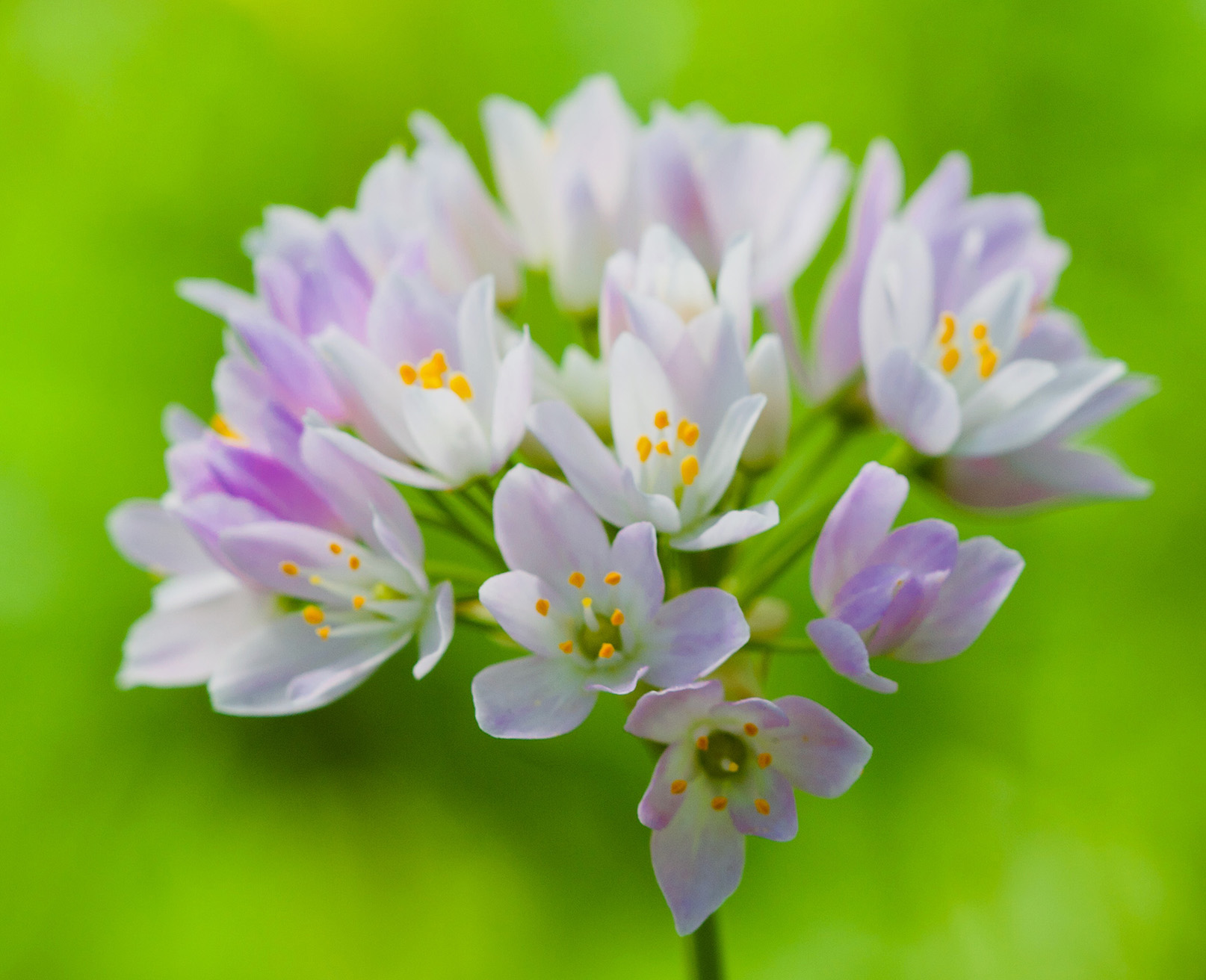
The Maures support a particularly interesting group of plants associated with acidic soils and seasonal water. Provence Hair-grass, Hyères Sedge, Palmate Anemone and Pink Rockrose occupy different parts of the terrestrial landscape, while Durieu’s Quillwort and Veiled Quillwort belong to temporary pools and shallow wet ground. Loose-flowered Orchid, Butterfly Orchid and Summer Snowflake add further interest around damper habitats.
The Estérel has another specialised flora. Red rhyolite and acidic soils support Cork Oak, Strawberry Tree, tree heath and rockrose, while humid ravines contain Royal Fern. Temporary wet ground carries quillworts and natural Serapias orchid meadows, creating botanical communities very different from the exposed volcanic slopes only a short distance away.
At Saint-Cassien, Fondurane holds another remarkable botanical story. The site supports Italian Oak and the rare hybrid Crenate Oak, together with Loose-flowered Orchid in its wetter ground. Crenate Oak is particularly associated with the cool woodland around the lake and is extremely localised in France.
Tanneron has acquired its famous botanical identity through mimosa cultivation. The winter flowering belongs to the human history of the massif rather than its original flora, but it is too important culturally and visually to ignore. Beyond the plantations and naturalised stands, Cork Oak, Sweet Chestnut, Strawberry Tree and heath remain the native framework.
Fire, Forests & Landscape Change
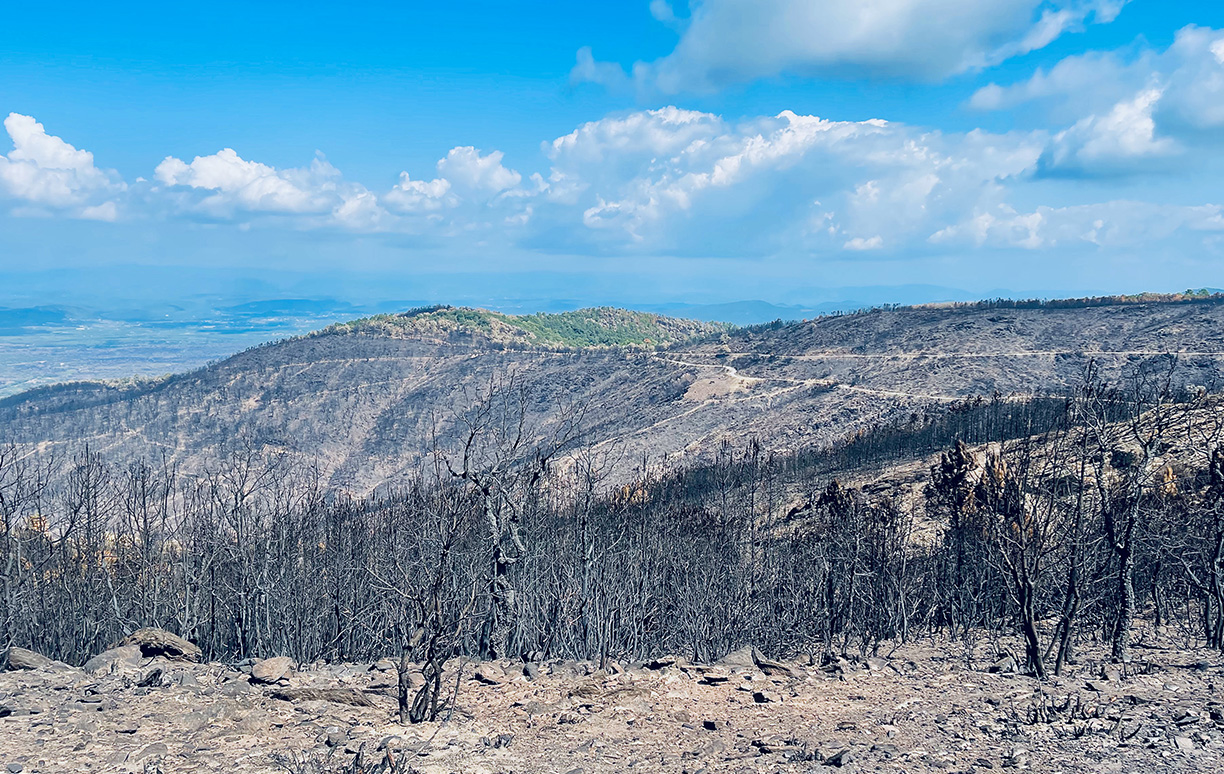
Fire has always influenced Mediterranean vegetation, but the scale and frequency of modern fires can overwhelm the ability of habitats to recover. In August 2021, almost 7,000 hectares burned across the Plaine and Massif des Maures, killing tortoises, removing mature woodland and exposing large areas to erosion and vegetation change. The disaster became one of the catalysts for the current Regional Park project.
Fire prevention is unavoidable, but the wildlife problem cannot be reduced to removing ever more vegetation. Veteran Cork Oaks, old chestnuts, dead timber, shaded valleys and dense refuges support bats, beetles, reptiles and woodland amphibians. Protecting people and settlements while retaining mature forest structure will be one of the difficult balances facing the future park.
The territory has never been untouched wilderness. Cork harvesting, chestnut cultivation, viticulture, pastoralism, forestry and mimosa production have all influenced what survives today. Some traditional practices created valuable open or semi-open habitats; others replaced natural vegetation. The future park inherits that long relationship between people and the land.
Explore Further
- WoodPACA – Plaine des Maures National Nature Reserve – our dedicated guide to one of the future park's most important protected landscapes, with deeper coverage of its tortoises, temporary wetlands, birds, reptiles, invertebrates and flora.
-
Conservatoire du littoral – Massif de l'Estérel – Official information on the protected Estérel, including its volcanic landscape, Mediterranean forests, wildlife and conservation management.
- Fondurane – CEN PACA – an excellent introduction to the wildlife of Saint-Cassien, including its birds, European Pond Turtle, dragonflies and distinctive woodland.
- Marais de la Fustière – CEN PACA – the smaller protected wetland beside Saint-Cassien, with reedbed, Cork Oak woodland and wetland wildlife.
- Faune-PACA – LPO PACA's collaborative wildlife observation portal for exploring recent records across Var and the wider future park.
- WoodPACA Wildlife in Focus: Common Genet – our illustrated guide to one of the Maures' most elusive nocturnal mammals.
- WoodPACA Wildlife in Focus: When Doves Cry – European Turtle Dove – our deeper look at a characteristic summer bird of the Maures and the pressures it faces during migration.