


Mont Sainte-Victoire
The Sainte-Victoire massif is one of the most striking natural landmarks of Provence and a cornerstone of the region’s protected landscapes. Beyond its iconic limestone ridges lies a remarkably rich ecological system.
Sainte-Victoire offers a concentrated overview of Mediterranean biodiversity: from open garrigue and dry grasslands to cliffs, woodlands and cultivated fringes. It is a site that rewards both casual exploration and focused biological recording.
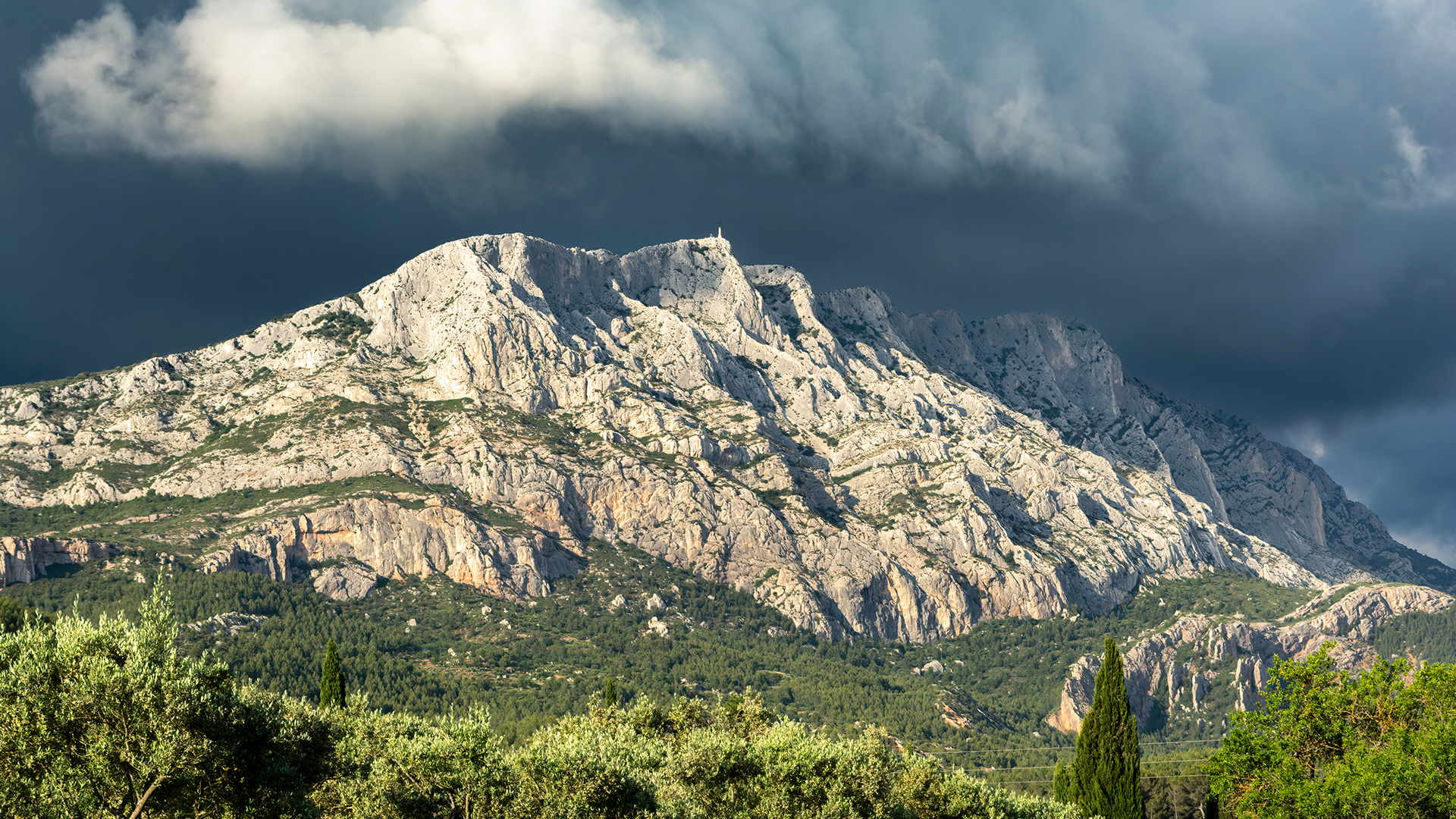
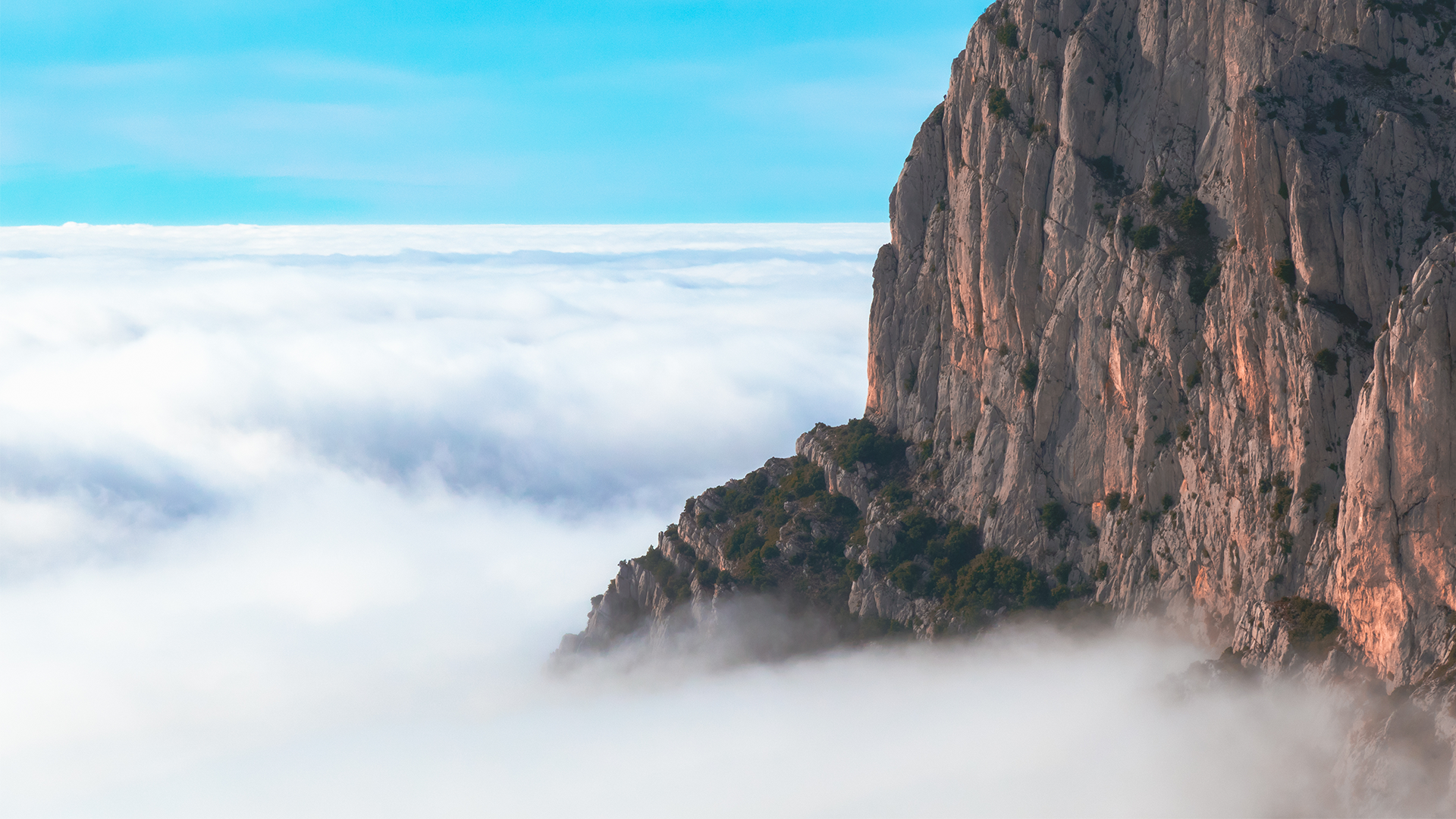
A long, austere limestone massif
A Landscape of Interlocking Habitats
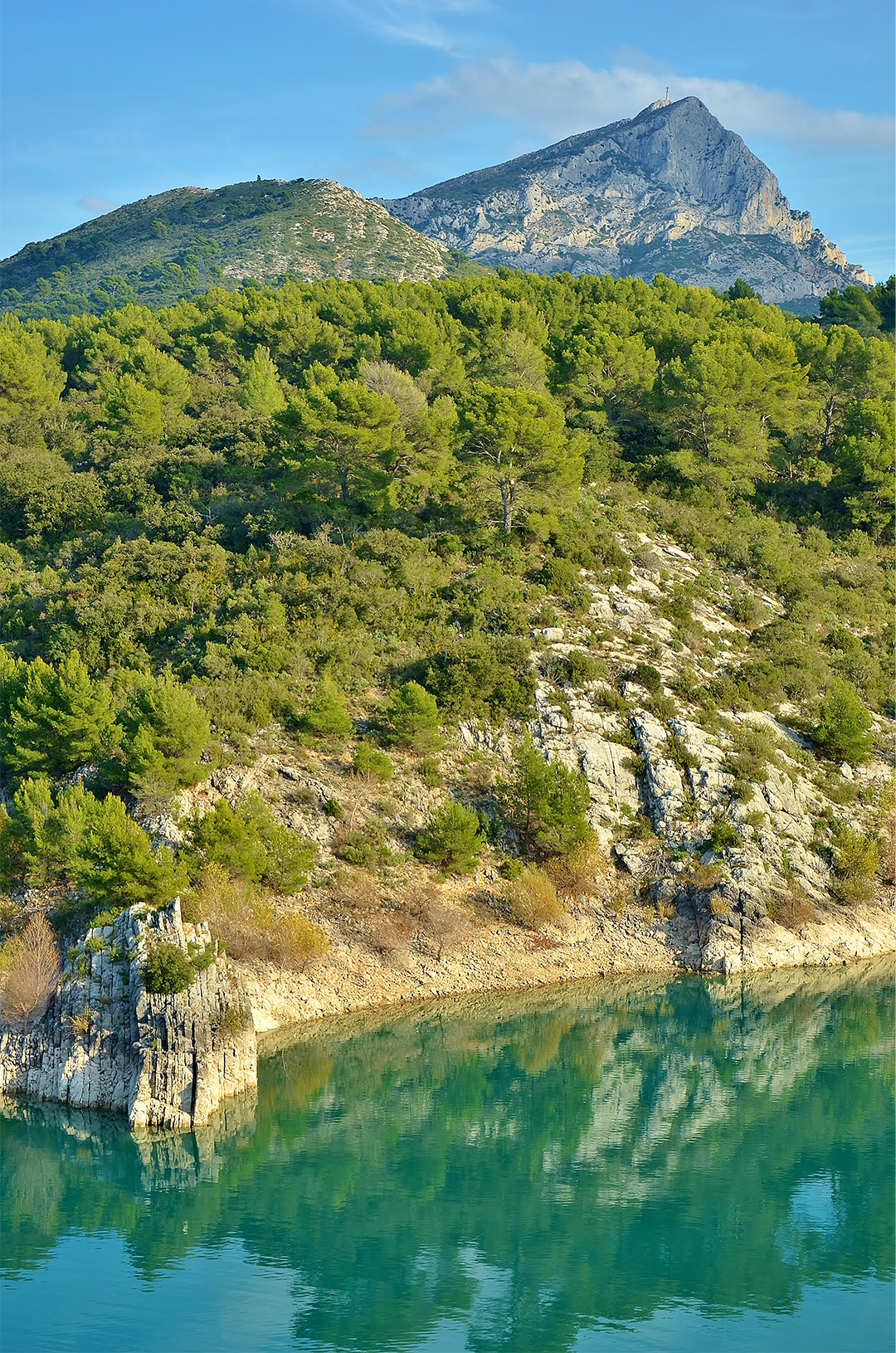
Sainte-Victoire is particularly valuable to naturalists because multiple habitats sit side by side, allowing species-rich communities to exist within a relatively compact area.
Garrigue and Mediterranean Scrub
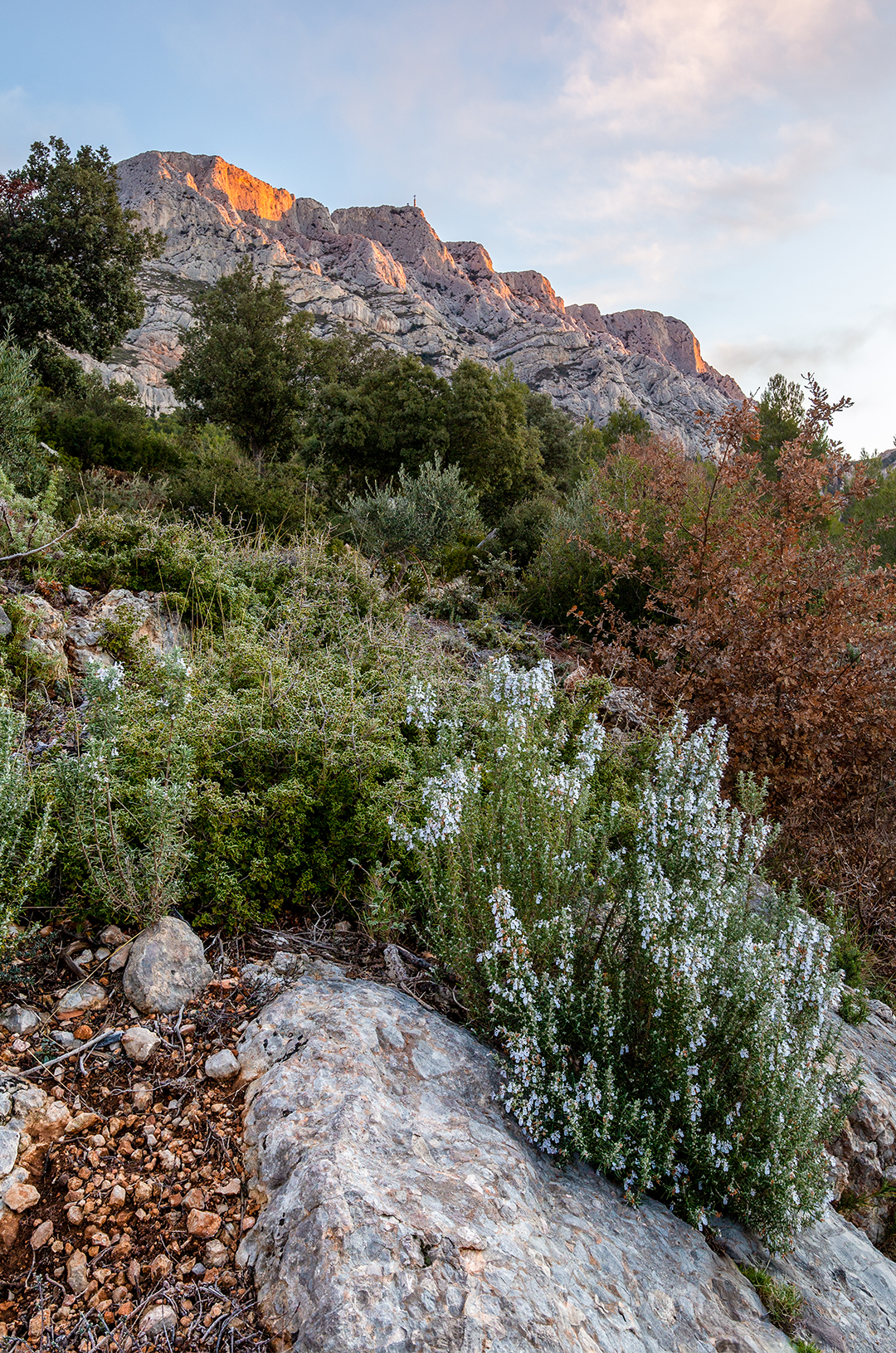
The garrigue defines much of the massif: sun-exposed limestone soils, aromatic shrubs and open structure.
Key plant species
- Quercus coccifera – Kermes Oak
- Aphyllanthes monspeliensis – Montpellier Aphyllanthes
- Thymus vulgaris – Common Thyme
Notable fauna
- Western Green Lizard (Lacerta bilineata)
- Montpellier Snake (Malpolon monspessulanus)
- Southern Shrike (Lanius meridionalis)
- European Nightjar (Caprimulgus europaeus)
Dry Grasslands and Open Plateaux
Dry calcareous grasslands are deceptively species-rich and form essential hunting ground for larger predators.
Key plant species
- Brachypodium retusum – Provençal Grass
- Iris lutescens – Dwarf Iris
Notable fauna
- Ocellated Lizard (Timon lepidus)
- Red-legged Partridge (Alectoris rufa)
- Short-toed Eagle (Circaetus gallicus)
These open areas are particularly important as foraging habitat for apex raptors.
Cliffs, Screes and Rocky Slopes
The limestone cliffs and steep rocky slopes of Sainte-Victoire are of outstanding importance for birds of prey and represent one of the site’s defining biological features.
Flagship species
- Bonelli’s Eagle (Aquila fasciata)
Sainte-Victoire is one of the most reliable landscapes in the region for this scarce Mediterranean raptor. The massif provides:
- secluded nesting cliffs
- extensive open hunting grounds
- low levels of disturbance relative to surrounding lowlands
For serious birders, Bonelli’s Eagle is the key target species, often observed soaring along ridgelines or moving between cliff systems and open plateaux.
Other notable cliff-associated species
- Peregrine Falcon (Falco peregrinus)
- Blue Rock Thrush (Monticola solitarius)
- Alpine Swift (Tachymarptis melba)
Pinewoods and Regenerating Forest
Aleppo pinewoods and mixed woodland patches add structural complexity and seasonal shelter.
Key plant species
- Pinus halepensis – Aleppo Pine
- Holm Oak (Quercus ilex)
Notable fauna
- Dartford Warbler (Sylvia undata)
- Sardinian Warbler (Sylvia melanocephala)
- Eurasian Red Squirrel (Sciurus vulgaris)
Woodland edges can be productive during migration periods.
Prairies, Fringes and Former Agricultural Land
These transitional zones often hold high diversity and are particularly accessible to visitors.
Key plant species
- Pyramidal Orchid (Anacamptis pyramidalis)
- Carduus acicularis – regionally protected thistle
Notable fauna
- Ladder Snake (Rhinechis scalaris)
- Natterer’s Bat (Myotis nattereri)
Why Sainte-Victoire Matters
Sainte-Victoire is not only scenic; it is ecologically strategic. As part of the regional protected-area network, it functions as:
- a biodiversity stronghold for Mediterranean species
- a core raptor landscape, supporting apex predators
- a reference site for Mediterranean habitat conservation
The continued presence of species such as Bonelli’s Eagle is a strong indicator of landscape integrity.
Exploring with WoodPACA
Sainte-Victoire represents exactly why protected landscapes matter. It is a place where people can slow down, observe and rediscover their relationship with nature, whether through a walk along a ridge, the scent of warm thyme underfoot or the sudden flight of a bird from the scrub.
You do not need specialist knowledge to appreciate this landscape. Curiosity is enough. By spending time in places like Sainte-Victoire, you begin to understand how landscapes function, why protection matters and how deeply human well-being is tied to the natural world.
Learn about