


A True Alpine Frontier
The Ristolas–Mont-Viso National Nature Reserve protects one of the most complete high-alpine landscapes in Provence-Alpes-Côte d’Azur. Located at the head of the Guil valley on the Italian frontier, the reserve sits beneath the unmistakable pyramid of Monte Viso and preserves a vast, intact mountain environment shaped by ice, altitude and time.
High-altitude ecosystem
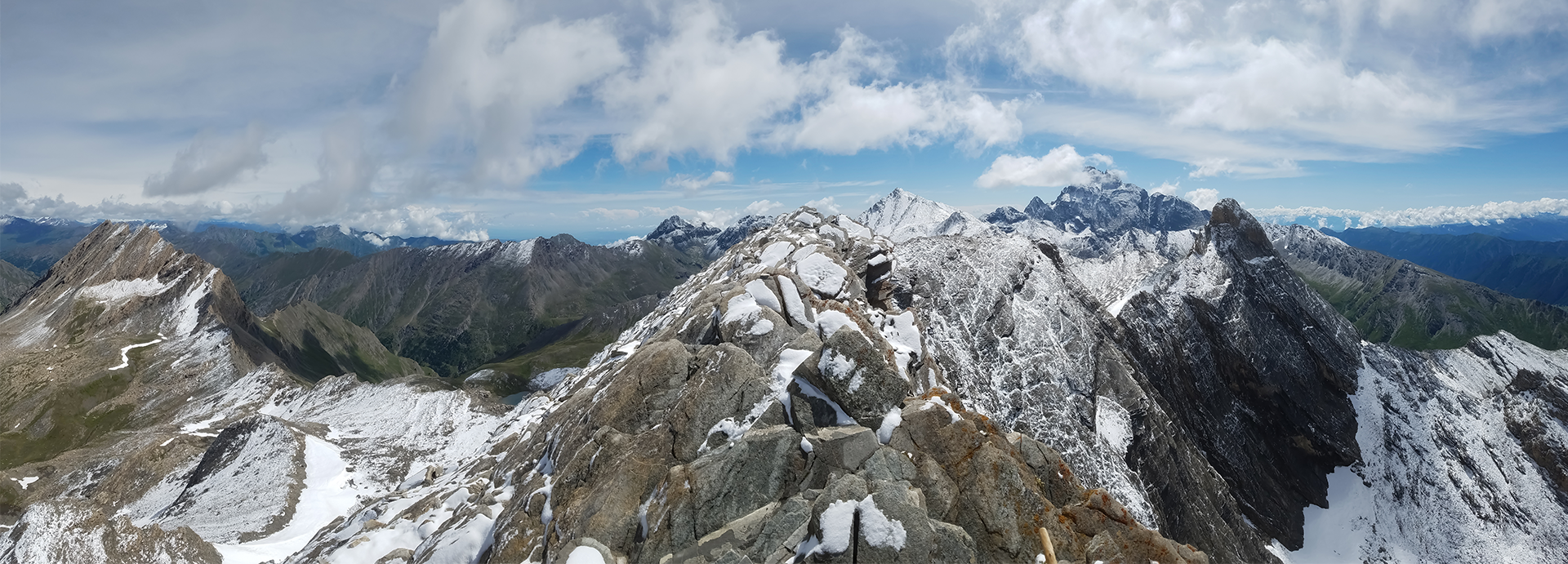
This is not simply a scenic mountain reserve
It is one of the few places in the southern Alps where full alpine ecological systems remain largely uninterrupted by modern development.
Steep cirques, glacial valleys, scree slopes, high pastures and sub-nival ridges combine to form a landscape governed by snow cover, late thaw and short growing seasons. For much of the year, conditions remain harsh and exposed, defining the species able to survive here.
Why This Reserve Matters
Ristolas–Mont-Viso safeguards high-altitude ecosystems that are increasingly vulnerable to climate pressure and human disturbance elsewhere in the Alps. Its importance lies not only in its scenery but in its ecological integrity.
The reserve functions as:
- A refuge for cold-adapted alpine species at the southern edge of their range
- A cross-border ecological corridor linking French and Italian mountain habitats
- A long-term reference landscape for understanding environmental change at altitude
Because these ecosystems evolve slowly and recover poorly from disturbance, protection at national level is essential.
Landscape & Habitats
Altitude and geology shape a clear sequence of habitats across the reserve:
- High alpine grasslands and sub-nival vegetation
- Rock faces, scree and talus slopes
- Glacial streams, springs and alpine wetlands
- Larch woodland and Swiss stone pine at lower elevations
Each zone supports specialised plant and animal communities adapted to cold, wind exposure and nutrient-poor soils. Seasonal snowpack and meltwater patterns govern much of the ecological rhythm.
Wildlife of the High Alps
Despite its austere appearance, the reserve supports a well-established community of mountain specialists.
Mammals
The open slopes and high pastures support emblematic alpine species including Alpine ibex, chamois and alpine marmot. Stoat are also present, turning white in winter to match snow cover.
Birds
Ristolas–Mont-Viso is an important stronghold for high-altitude birdlife. Golden eagle patrol the valleys and ridges while bearded vulture now range once again across the wider alpine arc. Alpine chough are a constant presence around cliffs and summits, joined by snowfinch and rock ptarmigan in the highest zones.
Reptiles
At these elevations reptile life is limited but notable. The viviparous lizard survives here by giving birth to live young rather than laying eggs, an adaptation to cold alpine conditions.
Alpine Flora
The reserve holds significant botanical value, particularly for its intact alpine and sub-alpine plant communities. Short growing seasons and thin soils support specialised flora including:
- Cushion plants and saxifrages anchored in rock and scree
- Alpine gentians and other high-meadow specialists
- Edelweiss and cold-adapted species at the upper limits of vegetation
Many of these plants exist only within high-altitude environments and are highly sensitive to trampling and climate shifts.
A Landscape Defined by Season and Exposure
Life here is governed by snow, thaw and brief alpine summers. Access and wildlife activity vary dramatically through the year, with long winters restricting movement and shaping breeding cycles.
For visitors, the scale of the landscape can feel immense and quiet. Wildlife is present but often distant, requiring patience and careful observation rather than expectation of immediate encounters.
One of the Southern Alps’ Last Intact Alpine Systems
Ristolas–Mont-Viso represents a threshold landscape where Mediterranean influence gives way to the true alpine world. It preserves one of the clearest expressions of high-mountain ecology in the region and remains a vital refuge for species adapted to cold, exposure and altitude.
For naturalists and explorers alike, it offers something increasingly rare in modern Europe, an alpine environment still functioning largely on its own terms.