


A Complete Southern Alpine Gradient
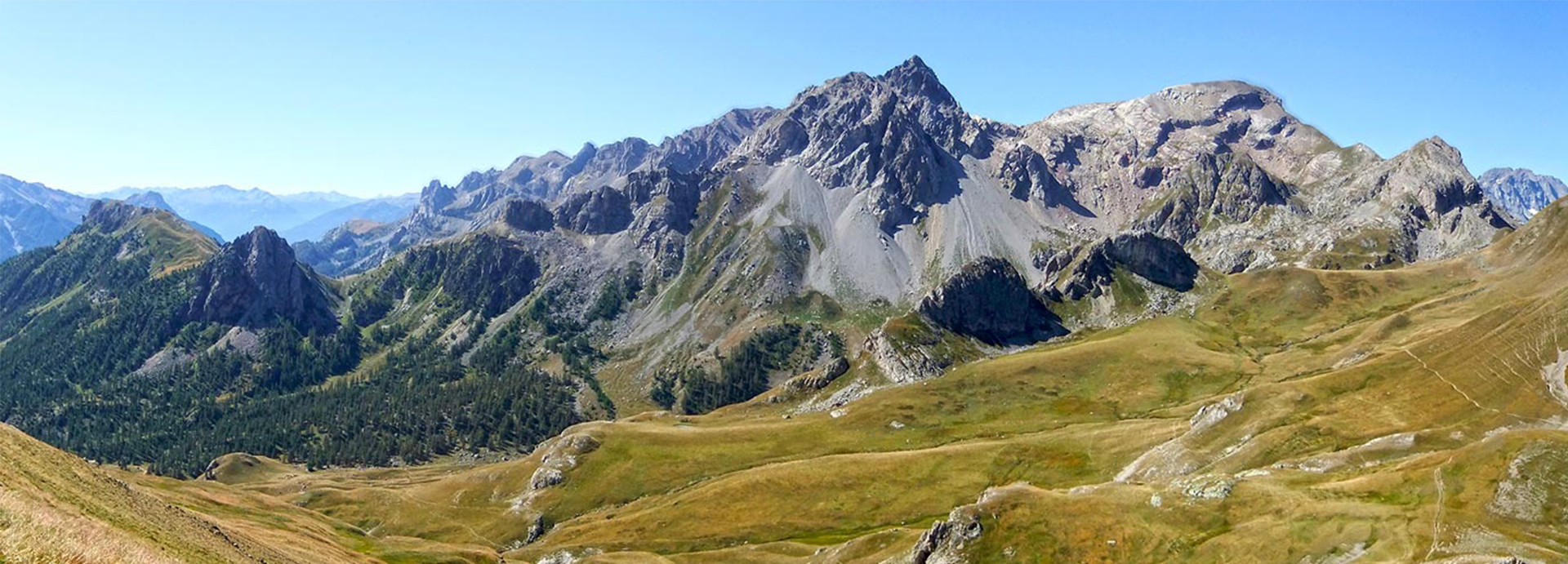
The Réserve naturelle régionale des Partias protects one of the most complete high-altitude ecological gradients in the southern French Alps. Rising from around 1,600 metres to nearly 2,940 metres at the Cime de la Condamine, the reserve encompasses a continuous sequence of montane, subalpine and alpine environments within a single protected landscape.
This wide altitudinal range, combined with varied geological substrates, allows an exceptional concentration of flora and fauna to exist across a relatively compact mountain basin. Rather than being defined by a single habitat or species, the Partias is significant for the continuity between its environments and the diversity that results from it.
Around 520 plant species have been recorded within the reserve
Landscape & Habitats
The reserve forms a mosaic of high-mountain habitats shaped by altitude, exposure and seasonal snow cover. Key environments include:
- Larch woodland and subalpine forest
- Mountain meadows and traditional grazing areas
- Alpine and subalpine grasslands and heaths
- Scree slopes, rocky outcrops and cliffs
- Peat bogs and small alpine wetlands
- Two small high-altitude lakes and associated wet margins
Together these habitats span the transition from montane woodland to the threshold of the nival zone, creating conditions for a wide range of specialised species.
Birdlife of the High Southern Alps
The Partias is recognised as an important refuge for alpine birdlife, with more than 100 species recorded. The reserve supports breeding and resident populations typical of high-altitude environments, including:
- Western capercaillie in subalpine woodland
- Alpine ptarmigan and rock partridge in open high terrain
- Alpine accentor and ring ouzel across upland slopes
- Tengmalm’s owl within forested zones
- Eurasian crag martin, including a high-altitude nesting colony
- Golden eagle regularly using the wider massif
These species depend on quiet, continuous habitat and are sensitive to repeated disturbance, particularly during breeding and winter.
Mammals and Bats
The reserve supports a diverse mountain mammal community. Typical alpine species include chamois, alpine marmot, mountain hare and stoat. The Eurasian water shrew occurs along clean mountain watercourses.
Sixteen bat species of European conservation interest have been recorded, reflecting the quality of roosting and foraging habitats across woodland, cliffs and wetlands. These include barbastelle, Nathusius’ pipistrelle, northern bat and Savi’s pipistrelle.
Reptiles, Amphibians and Invertebrates
Despite the altitude, reptile and amphibian life is present. The western green lizard has been recorded in alpine meadows at over 2,300 metres, an unusually high-altitude observation for the species. Common frog and common toad breed in suitable wetland habitats.
Butterfly diversity is notable and includes heritage species such as Apollo, clouded Apollo, Provence chalk-hill blue and marsh fritillary. Dragonflies including black darter and beautiful demoiselle occur around wetlands, while a wide range of beetles and alpine grasshoppers inhabit grassland and scree environments.
Botanical Richness
Around 520 plant species have been recorded within the reserve, reflecting its varied geology and altitude range. Many are rare or protected, including Alpine columbine, Swiss rock jasmine and dwarf club-rush. Dauphiné cinquefoil, endemic to the Dauphiné Alps, is of particular conservation concern due to its limited distribution.
The reserve supports a mixture of alpine specialists, endemic western Alpine scree plants and species associated with wetlands and dry calcareous grasslands. At least 60 species are listed in national or regional conservation inventories. Edelweiss and Turk’s cap lily occur here but are vulnerable to picking and disturbance.
Why Protection Matters
The ecological value of the Partias lies in its continuity. Few areas retain such an intact sequence of habitats from montane forest to high alpine zone within a single protected basin. This allows seasonal movement of wildlife, preserves botanical diversity and maintains functioning mountain ecosystems.
Many species present are sensitive to disturbance during breeding or hibernation. Maintaining quiet, connected habitats across the full altitude range is therefore essential to the reserve’s long-term value.
Visiting with Awareness
The reserve rewards careful, low-impact exploration. Conditions can change quickly with altitude and season, and wildlife often depends on remaining undisturbed.
Visitors are encouraged to:
- Remain on marked paths where present
- Avoid disturbing wildlife, particularly in breeding seasons
- Respect fragile alpine vegetation and wetlands
- Observe quietly and at distance
A High-Alpine Refuge of Diversity
The Réserve naturelle régionale des Partias stands as one of the most biologically diverse high-altitude reserves in the southern Alps. Its importance lies not in scale or spectacle but in the completeness of its mountain ecosystems and the continuity between them.
For naturalists, it offers a rare opportunity to experience a full southern Alpine ecological sequence within a single protected landscape.