


Réserve Naturelle Régionale Poitevine–Regarde–Venir
The Poitevine–Regarde–Venir Regional Nature Reserve protects a rare complex of open limestone grasslands and traditionally managed agro-pastoral land. Landscapes of this type have declined sharply across the region through abandonment, reforestation and agricultural intensification.
This is a reserve defined not by dramatic relief, but by exposure, thin soils and long-term land use continuity. Its ecological value lies in maintaining openness in a landscape where closure is the default outcome.
Open limestone grasslands shaped by exposure and continuity
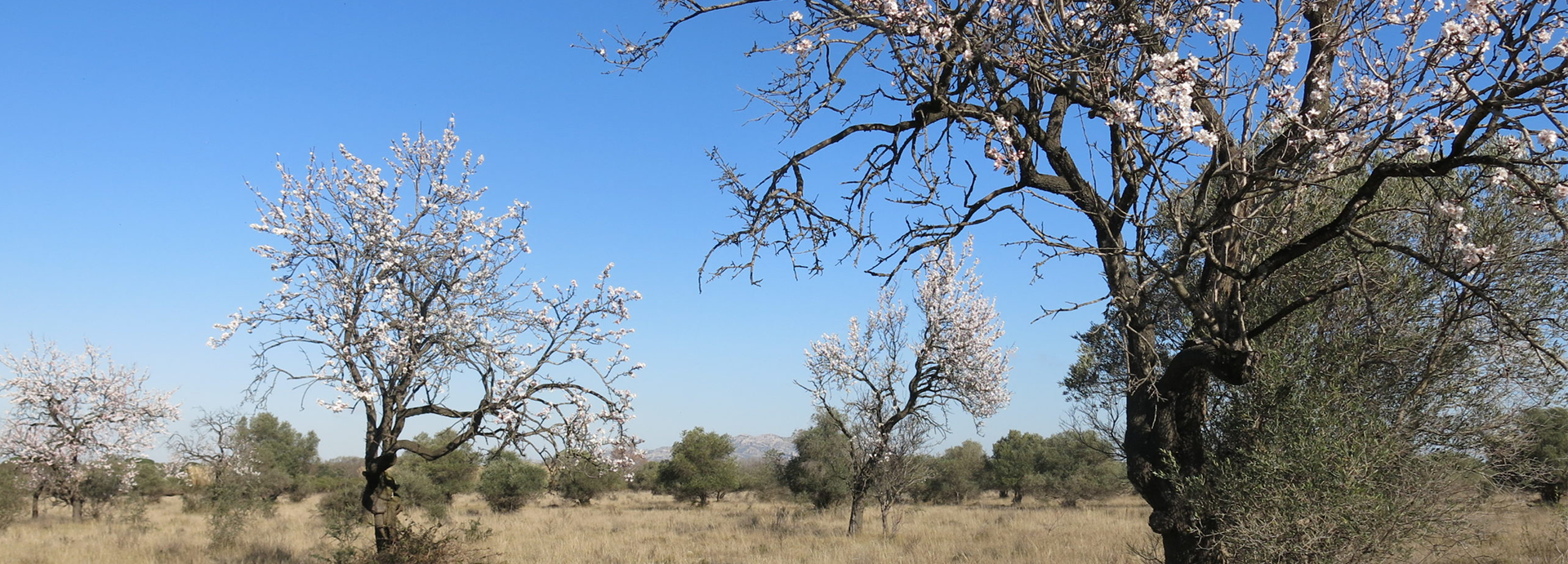
Landscape and Habitats
Situated on dry, sun-exposed terrain, the reserve is characterised by habitats that persist only under specific environmental and management conditions.
Key features include:
- calcareous grasslands on shallow, nutrient-poor soils
- scattered shrubs and open scrub mosaics
- remnants of traditionally grazed pasture
These habitats are inherently fragile. Without grazing and active management, they quickly transition towards scrub and woodland, resulting in significant biodiversity loss.
Biodiversity Significance
The ecological importance of Poitevine–Regarde–Venir lies in its role as a refuge for open-habitat specialists, many of which are declining elsewhere as grasslands disappear.
Flora
The reserve supports a high diversity of plants adapted to drought, exposure and limestone substrates.
Key characteristics include:
- species-rich calcareous grasslands
- orchid-rich areas where conditions remain favourable
- botanical assemblages shaped by centuries of low-intensity grazing
Such plant communities are among the most diverse per square metre in the region.
Invertebrates
Open, structurally varied grasslands provide essential habitat for invertebrates dependent on warmth and uninterrupted ground.
Notable groups include:
- grasshoppers and bush-crickets
- butterflies and day-flying moths
- pollinator communities linked to diverse flowering plants
These insects play a central role in pollination and food-web stability.
Reptiles and Birds
The reserve provides suitable conditions for species that depend on open ground and sun exposure.
Ecological roles include:
- thermophilic reptiles using stones and sparse vegetation for basking and shelter
- breeding and foraging habitat for open-country birds that avoid wooded landscapes
Such species are particularly sensitive to habitat closure and fragmentation.
Why This Reserve Matters
Poitevine–Regarde–Venir is important not because it is rare in appearance, but because landscapes like this vanish quietly when management ceases.
Its protection helps prevent:
- loss of species-rich grasslands
- homogenisation of the wider landscape
- disappearance of ecological systems dependent on grazing
Conservation here is as much about landscape memory as biodiversity, maintaining systems that only function through long-term interaction between people and environment.