


Réserve Naturelle Régionale de Pourra – Domaine du Ranquet
The Pourra – Domaine du Ranquet Regional Nature Reserve protects one of the best-preserved natural transition zones between Mediterranean lowlands and Provençal hill country. Within a relatively compact area, geological structure, hydrology and long-established land use combine to create a high level of ecological diversity.
This is a reserve defined by contrast and connectivity, where dry limestone terrain meets woodland and seasonal water features.
A landscape of transition between lowlands and hills
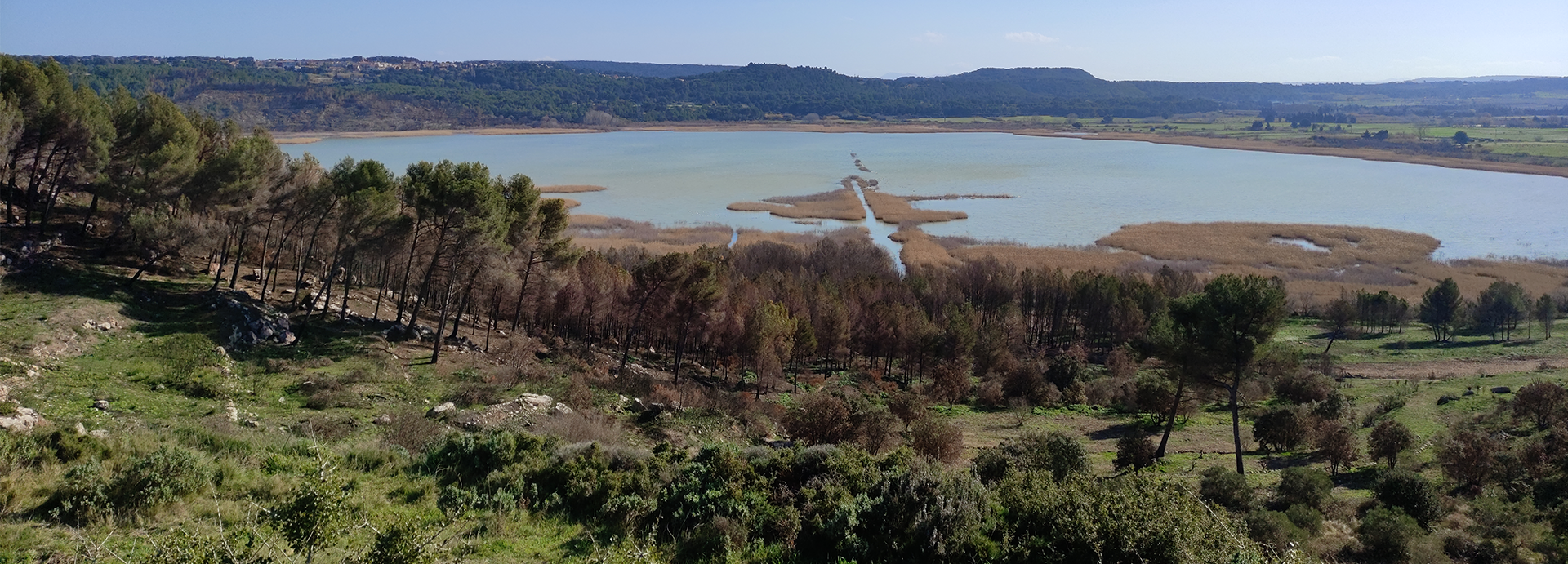
Landscape and Habitats
Located at the junction of limestone plateaux, wooded slopes and shallow valleys, the reserve forms a mosaic landscape that has largely disappeared elsewhere through simplification and abandonment.
Key habitat elements include:
- limestone hills and rocky escarpments with shallow soils
- Mediterranean oak woodland, including holm oak (Quercus ilex) and downy oak (Quercus pubescens)
- open clearings, grasslands and former agricultural terraces
- temporary streams and damp depressions that hold water seasonally
The close proximity of dry, exposed ground and locally humid microhabitats creates sharp ecological gradients over short distances, supporting a wide range of species with differing requirements.
Biodiversity Significance
The ecological strength of Pourra – Domaine du Ranquet lies in habitat diversity rather than a single flagship group. The reserve supports species associated with woodland, open ground and seasonal water, often within a short walk.
Flora
Plant communities reflect variations in soil depth, exposure and moisture.
Key characteristics include:
- diverse Mediterranean flora adapted to limestone substrates
- spring-flowering species thriving in open clearings and old terraces
- woodland understorey plants benefiting from variable light and moisture conditions
This diversity is closely linked to the reserve’s layered structure and history of low-intensity land use.
Invertebrates
The habitat supports a broad invertebrate community.
Notable features include:
- butterflies, bees and beetles associated with flower-rich clearings
- species using woodland edges and transitional zones
- insects dependent on the presence of both dry ground and nearby moisture
Amphibians and Reptiles
Seasonal water features are particularly important in an otherwise dry landscape.
Ecological roles include:
- breeding habitat for amphibians dependent on temporary or fish-poor water
- reptiles using sun-warmed rocks, stone structures and woodland edges for thermoregulation and shelter
The availability of both water and dry refuge within short distances is critical for these species.
Birds
Bird communities reflect the reserve’s transitional nature.
Typical groups include:
- woodland and edge-associated songbirds
- open-country species using clearings and terraces
- raptors and soaring birds exploiting thermals generated by rocky relief
Seasonal movement adds further variability throughout the year.
Why This Reserve Matters
Pourra – Domaine du Ranquet stands out because it preserves ecological continuity, not just isolated habitats. The connections between woodland, open ground and seasonal water remain intact.
Its protection safeguards:
- transitional habitats often lost first to development or neglect
- species dependent on seasonal water in a changing climate
- a landscape shaped by low-intensity use rather than modern fragmentation
Such layered systems are increasingly rare in Mediterranean regions.
Visiting with Awareness
Exploring the reserve offers constant variation: shaded woodland paths, open limestone viewpoints, spring-rich clearings and seasonal wet zones.
Visitors are encouraged to move quietly, remain on paths near sensitive areas and respect seasonal wildlife activity, particularly around water features. This is a site where attention to detail reveals richness gradually rather than immediately.