


The Ecrins
The Ecrins
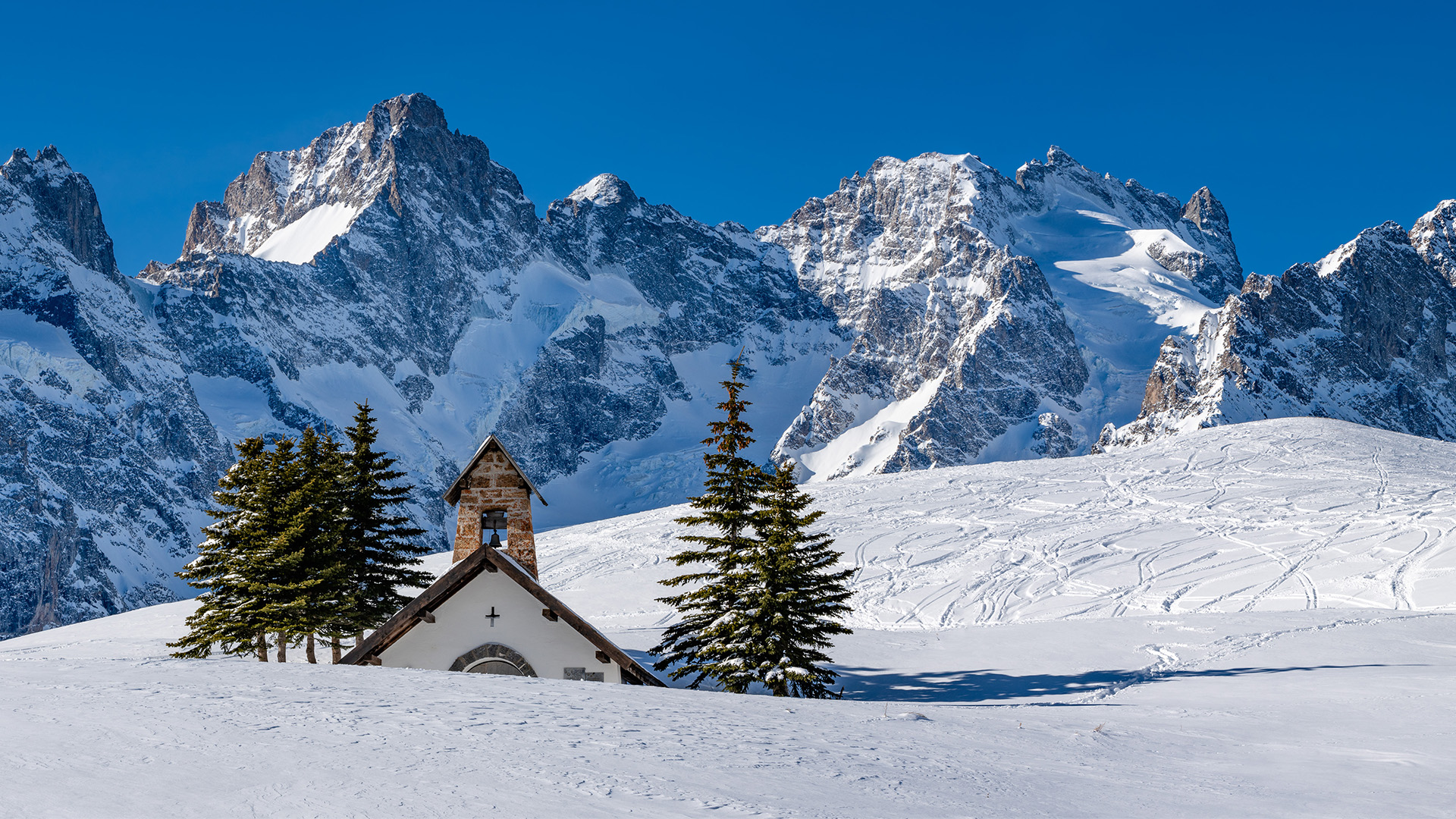
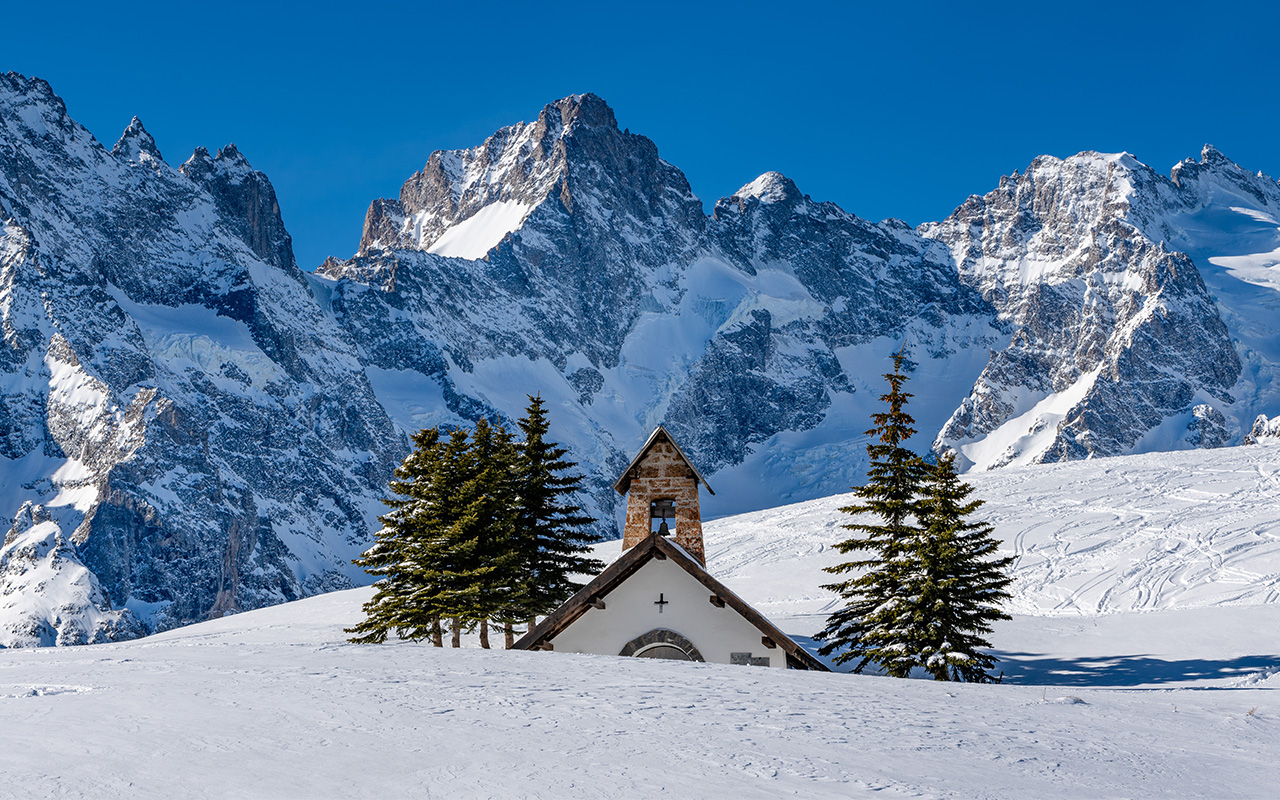
Situated between Gap, Grenoble and Briançon, the Ecrins National Park is one of Europe’s great mountain landscapes — a vast, rugged massif where glaciers, peaks, forests and valleys combine to form one of the most ecologically intact alpine systems in France. Created in 1973, the park spans parts of the Hautes-Alpes and Isère and rises from deep valley floors to the summit of Barre des Écrins (4,102 m), offering an exceptional vertical range of habitats and species.
Écrins is a place defined by altitude, exposure and scale. Here, climate, geology and water interact continuously, shaping a living landscape that rewards careful exploration and long-term observation.
High Alpine Wilderness in Motion
High Alpine Wilderness in Motion
Wildlife of the High Alps
Écrins supports a rich assemblage of mountain wildlife adapted to steep terrain, seasonal extremes and long winters. Large mammals are a defining feature of the park’s ecology.
Flora: 2500 species including 216 plants listed on the red list of rare and endangered flora and 389 species are endemic to the Alps or have an area of arctic-alpine distribution.
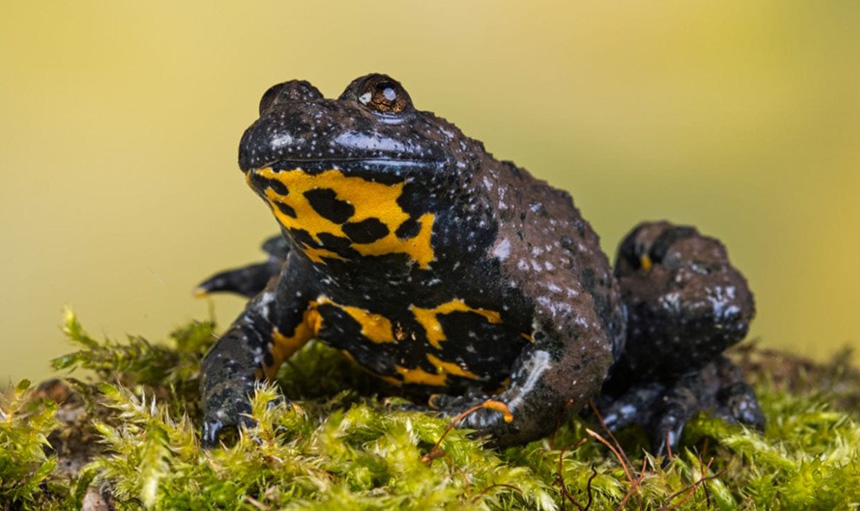
Fauna: 75 mammals, 233 birds, 16 reptiles, 10 amphibians, 21 fish, 56 dragonflies, 70 locusts and grasshoppers, 222 butterflies, 744 moths.
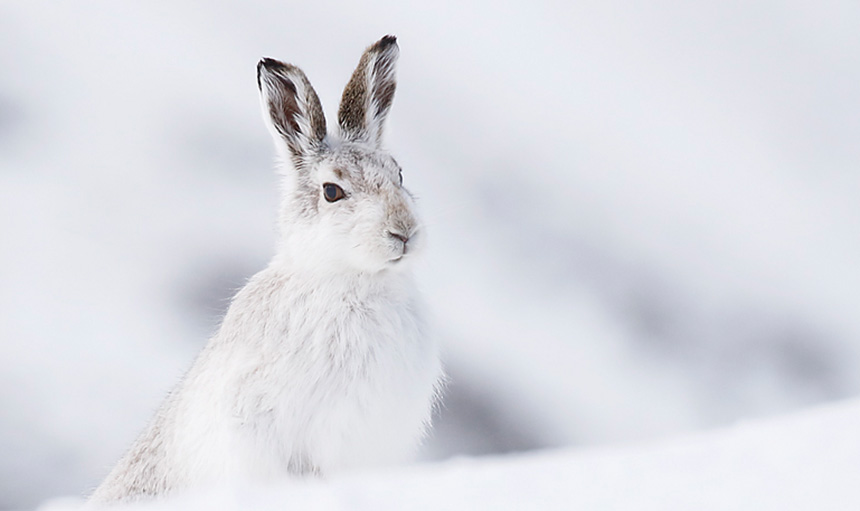
Commonly encountered species include chamois, widespread across rocky slopes, and alpine ibex, successfully restored and now emblematic of the high Alps. Marmots are a familiar presence in alpine pastures, while red deer, roe deer and mountain hare occupy forested and transitional zones.
Wolves are present within the wider massif, having recolonised naturally, though encounters are rare and typically indirect.
Eurasian lynx has also been recorded in the Écrins region, but remains exceptionally discreet and scarce; observations are extremely rare and should be regarded as notable events rather than expectations.
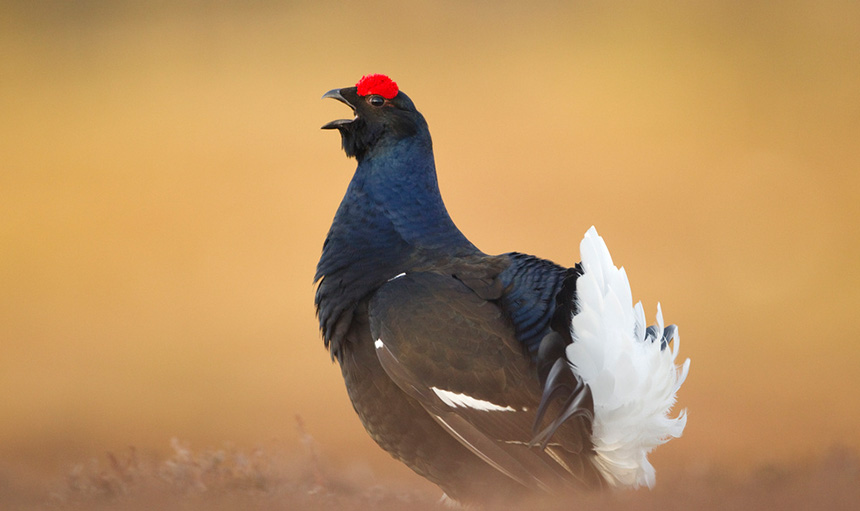
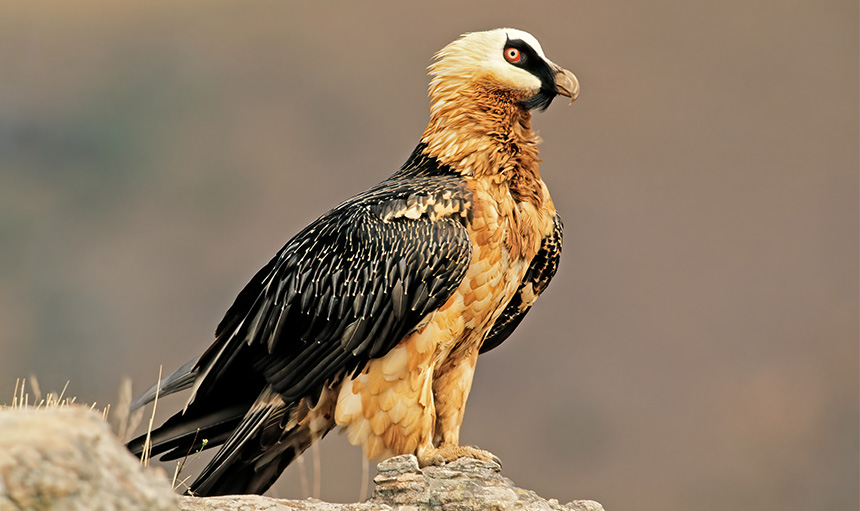
Birdlife includes golden eagles, bearded vultures, alpine grouse species and a wide range of woodland and high-altitude birds. Reptiles, amphibians and invertebrates occupy warmer slopes, wetlands and forest edges, while alpine specialists persist near the limits of vegetation.
A Park of Gradients and Transitions
One of Écrins’ defining features is how rapidly environments change with elevation. A single route may pass through woodland, open pasture, rocky slopes and alpine tundra within a few kilometres.
These gradients create sharp ecological transitions:
- Forest belts give way to open grazing land
- Meadows thin into scree and rock
- Permanent snow shapes the highest zones
For visitors, this means that exploration is rarely repetitive. Each valley, slope and aspect reveals different communities of plants and animals.
Pastural Heritage
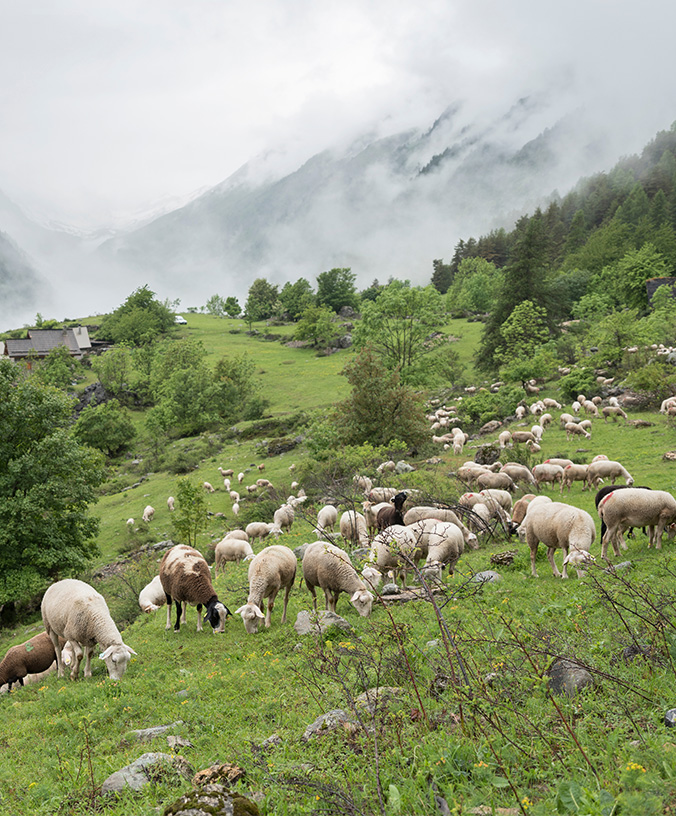
Farming is an important economic activity here. Primarily focused on livestock, huge areas are used for grazing. High alpine meadows, inter-season pastures, hay meadows, fields and hedgerows provide great points of interest. This richness is something to be preserved.
The heart of the National Park can only be explored on foot, take the time to admire your surroundings, recharge your batteries and enjoy some fascinating encounters. More than 700 km of trails are maintained. Note, dogs are not allowed in the heart of the Park.
Key Habitats at a Glance
7 Great Valleys Chisel out the Ultra-Diverse Landscape
7 Great Valleys Chisel out the ultra-Diverse Landscape
Vallouise
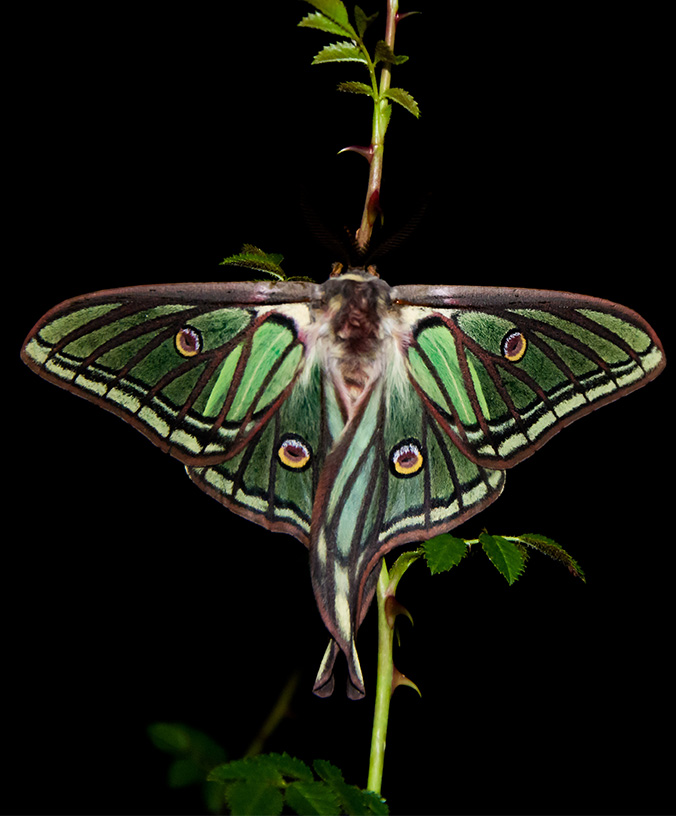
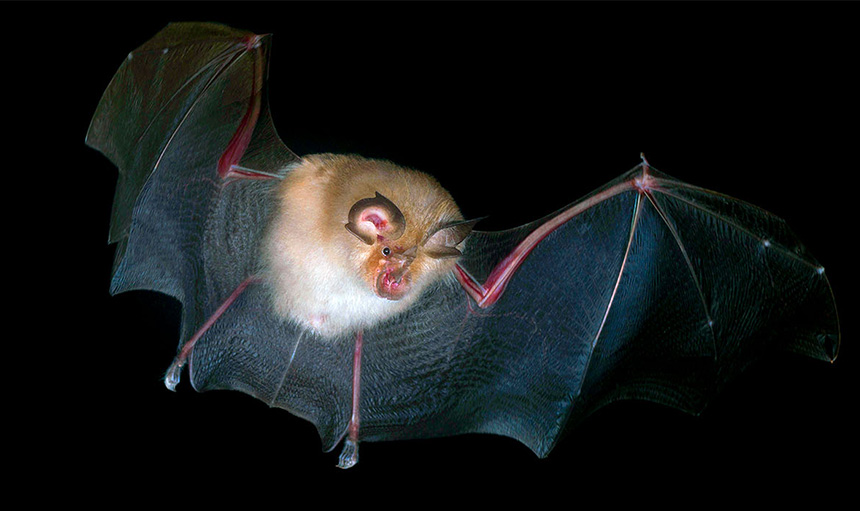
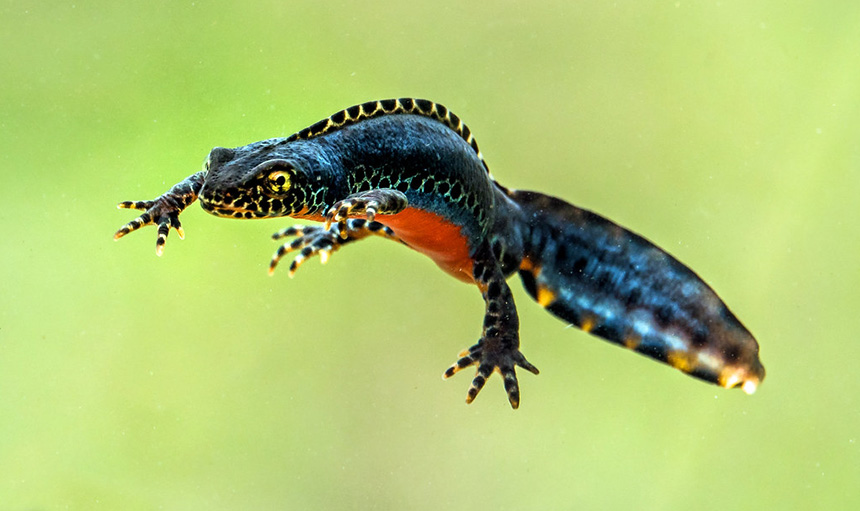
Here nature is diverse and varied: between Mediterranean plants and glaciers, between grasshoppers and ptarmigans… The hanging valleys of the Fournel and Freissinières rivers also tell the story of a mountain that has long provided a refuge for mankind. It is also home to the highest colony of Lesser Horseshoe Bats in France. Other species of note are the beautiful Spanish Moon Moth and Tengmalm’s owl.
Embrunais
Valgaudemar
Here, everything is reduced to the essentials. Precipitous slopes leave just enough space for the course of a mountain stream and the villages and cultivated land dotted along the road. At the very end, at the high point, glaciers and peaks hem in the magnificent Gioberney cirque.Rich in butterfly life and a hotspot for the Apollo variety which can be seen in good numbers.
Valbonnais
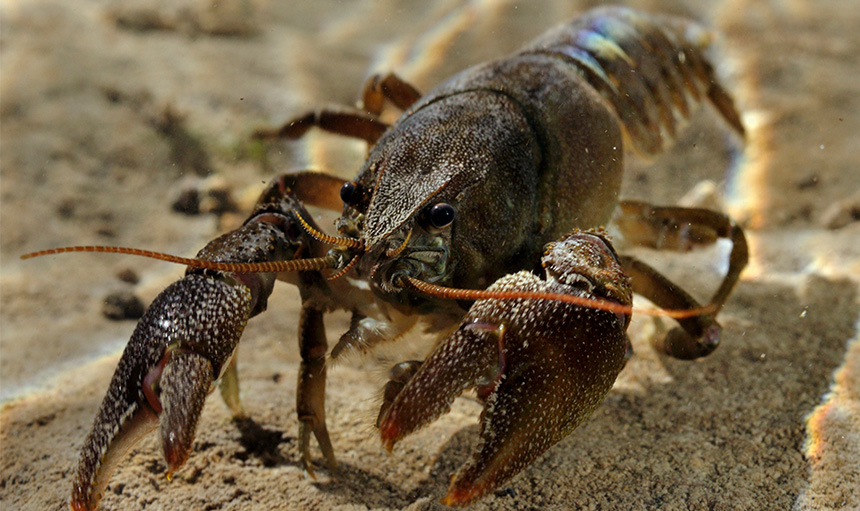
Great forests of beech and fir characterise the slopes in this sector. It is often described as a land sheltered from the noise of the world, and this is its essence and its greatest asset. Found here are likes of the native White Clawed Crayfish that are threatened by invasive foreign species. Roe deer, Chamois, Ibex, Marmots etc.
Oisans
Conservation in Action
Écrins National Park plays a central role in alpine conservation and research. Long-term monitoring programmes track changes in species distributions, glacier retreat and ecosystem responses to climate change.
The park is recognised internationally for the quality of its management and commitment to ecological integrity, balancing protection with responsible access and traditional land use.