


Luberon Regional Nature Park
The Luberon Regional Nature Park is a landscape shaped as much by people as by geology. Limestone mountains rise above vineyards, orchards, cereal fields and pasture. Deep, narrow limestone valleys, known locally as combes, cut through the ridges. Forest and garrigue cover the slopes, rivers cross the lower country and, around Apt, Roussillon and Rustrel, ochre and marl create landscapes quite unlike the surrounding limestone. The park supports around 1,800 plant species, 270 vertebrate species and some 2,300 species of butterflies and moths.
A magic mix of limestone hills, farmland and living Provence
Discover the Luberon by landscape
Petit Luberon & Cedar Forest
The Petit Luberon is lower but more rugged. Pale limestone forms cliffs, rocky grasslands and deeply cut combes, with garrigue and woodland occupying the ground between them. A 17,049-hectare Natura 2000 Special Protection Area covers 25 communes and recognises 32 bird species of conservation importance, including 22 of European interest. Pastoral grasslands, garrigue, forest, canyons and rocky cliffs all contribute to that diversity.
Above Bonnieux and Lacoste, the Forêt des Cèdres changes the character of the landscape. Cedar woodland covers the plateau, but the more open tracks, clearings and transitions into native oak woodland often provide the best natural-history interest.
Grand Luberon & Aiguebrun
East of the Combe de Lourmarin, the massif rises towards the 1,125-metre Mourre Nègre. More extensive woodland, cooler slopes and open ridges bring a stronger pre-Alpine influence than in the Petit Luberon.
The Vallon de l’Aiguebrun cuts through the massif with cliffs, rock faces and sheltered woodland. Its water, mature trees and limestone cavities are especially valuable in a landscape where permanent wet habitats are limited.
Pays d’Apt, the Calavon & Ochre Country
North of the massif, vineyards, orchards, old fields, hedges and woodland spread across the Calavon valley. This cultivated mosaic remains important for wildlife where old trees, rough margins and uncultivated corners survive.
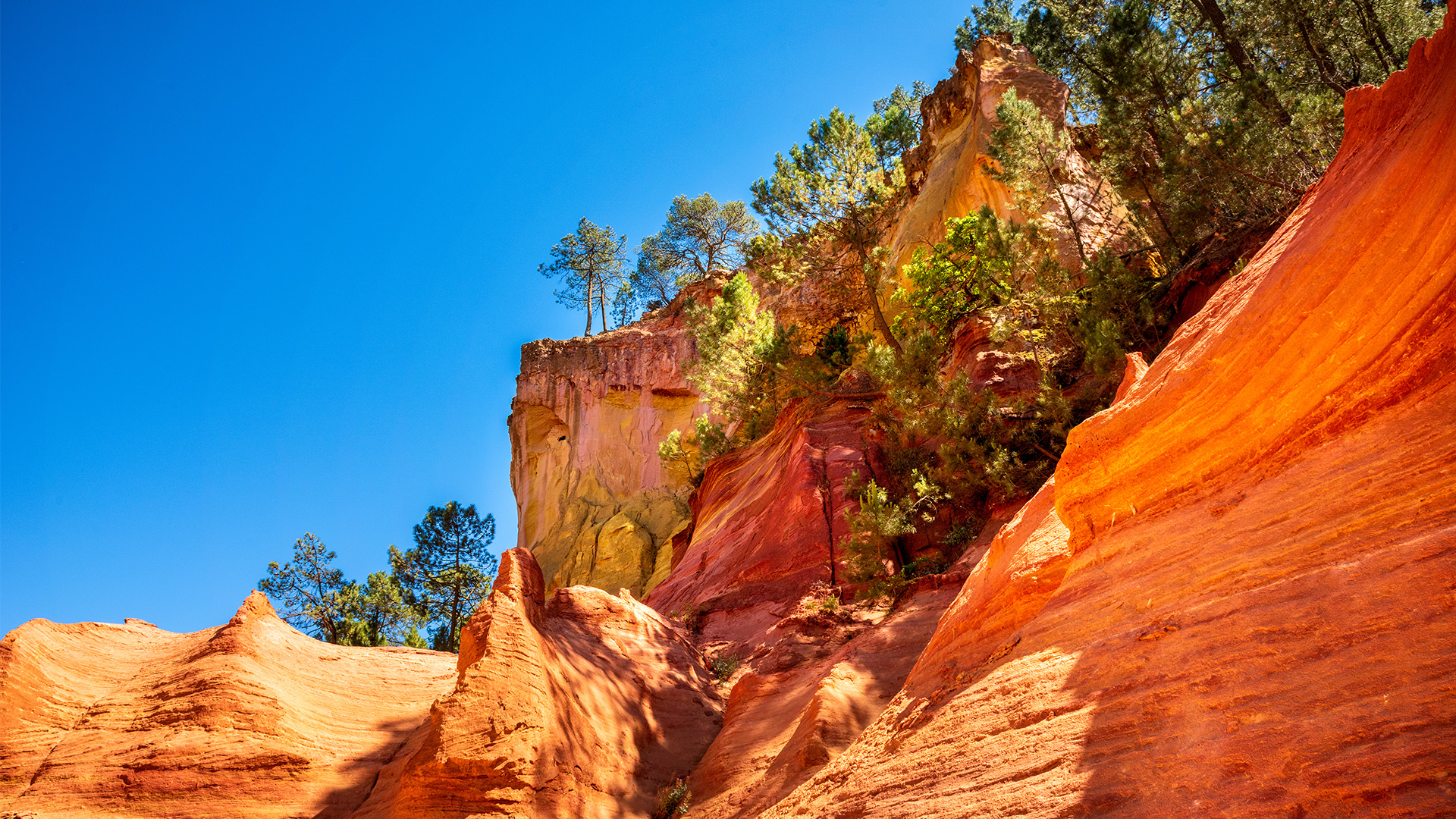
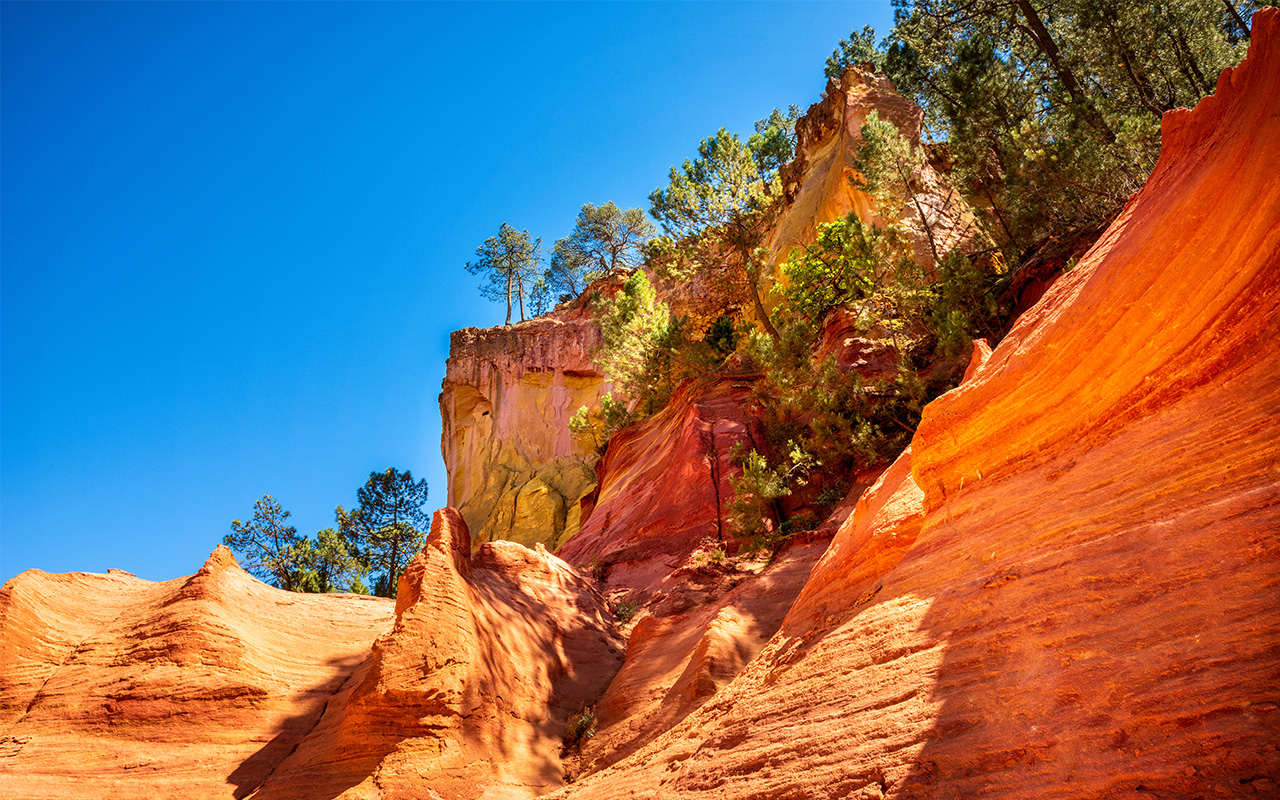
Around Roussillon, Rustrel, Villars and Gargas, ochre replaces the pale limestone. Eroded cliffs, wooded gullies and abandoned workings create a landscape quite unlike the neighbouring massifs. Some of the old cavities and workings have also become valuable refuges for bats.
Farther east, the Gorges d’Oppedette take the Calavon through a deep limestone canyon, reaching around 200 metres deep in places. Cliffs, woodland and river habitat are compressed into a relatively small area, giving this corner of the park a distinctive character.
The Durance
The Durance provides the great ecological contrast to the dry Luberon hills. Channels, gravel banks, islands, open water and riparian woodland form a natural corridor between the Alps and Mediterranean Provence. This river landscape adds wetland and migratory birds, aquatic insects, fish and feeding habitat for bats to the park’s predominantly dry-country wildlife.
Birding the Luberon
The birding strength of the Luberon comes from its mixture of Mediterranean scrub, limestone cliffs, woodland, traditional farmland, gorge and river.
The Petit Luberon holds many of the park’s most sought-after birds. Bonelli’s Eagle is the outstanding resident raptor, while Egyptian Vulture returns for the breeding season and Short-toed Snake Eagle hunts over open country from spring. Griffon Vulture can appear overhead, while Eurasian Eagle-Owl adds another major predator to the limestone cliffs.
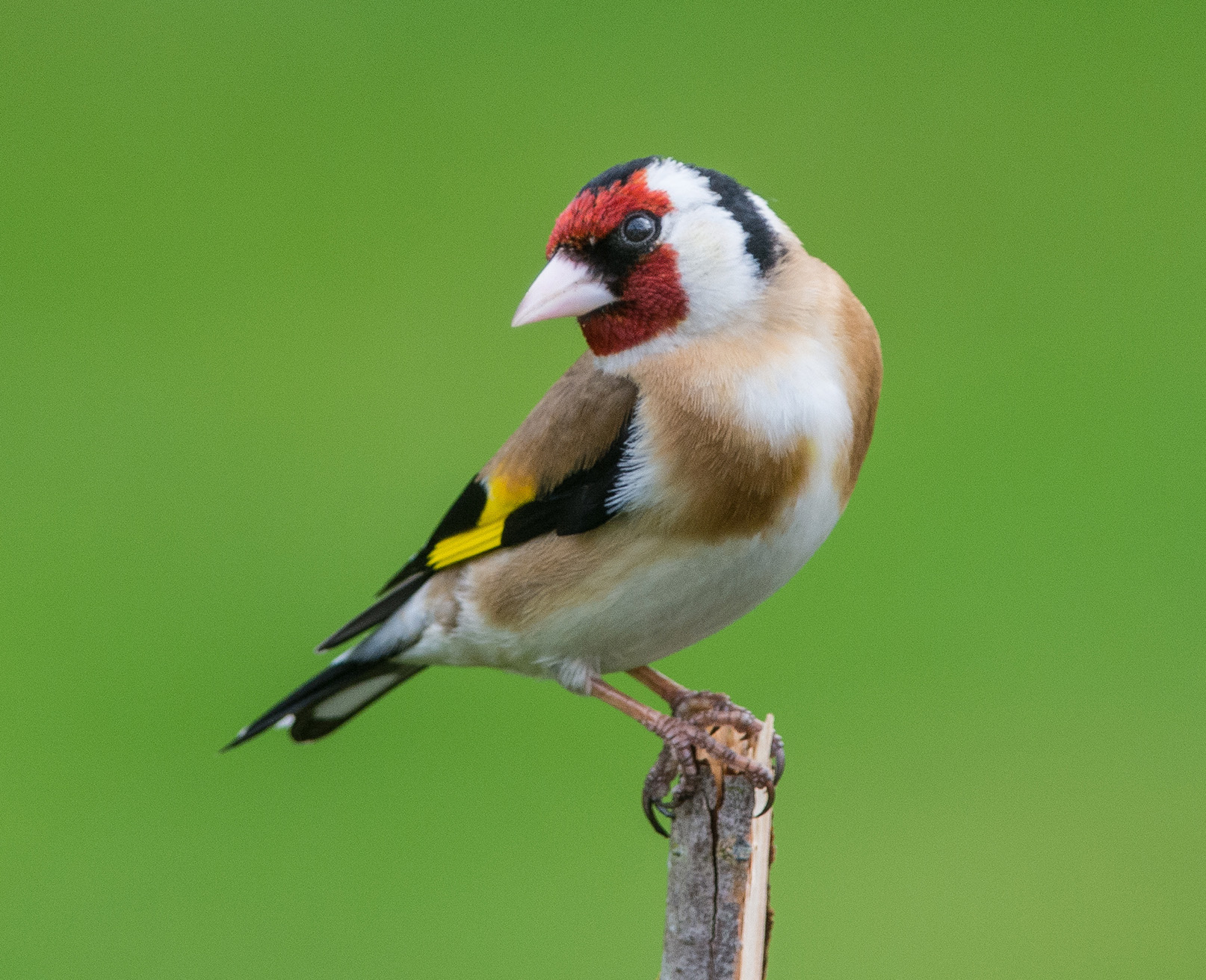
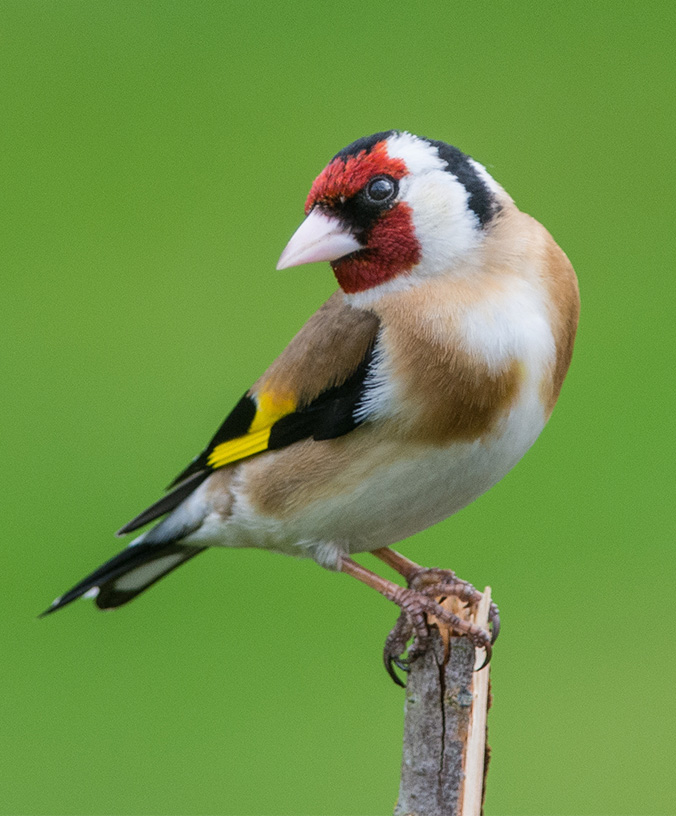
Away from the larger raptors, garrigue and broken limestone support Western Subalpine Warbler, Dartford Warbler, Sardinian Warbler and Woodlark. Hoopoe, Cirl Bunting and European Serin favour more open country, old orchards and the edges of cultivation.
The Grand Luberon shifts the balance towards woodland and higher ground. Crested Tit, Eurasian Nuthatch, Short-toed Treecreeper, Firecrest and several woodpeckers reward time among the trees, particularly around clearings and woodland margins.
The cliffs and rocky slopes bring Blue Rock Thrush, Crag Martin, Peregrine Falcon and Common Raven into the picture. The Gorges d’Oppedette are particularly worthwhile, with Eurasian Eagle-Owl and Short-toed Snake Eagle among the characteristic birds of the protected gorge. Wallcreeper has also been recorded here, adding seasonal interest without being a bird to expect on every visit.
The Pays d’Apt and lower agricultural country should not be treated simply as ground between the massifs. Orchards, vineyards, old trees, hedgerows and rough field margins support Hoopoe, Cirl Bunting, European Serin and other birds of traditional Provençal farmland.
The Durance changes the birding again. Gravel banks, channels, wet margins and riverine woodland support a much broader range of water, woodland and passage birds than the dry massif. Spring and autumn are particularly rewarding, when movement along the river adds another dimension to the resident bird community.
The Luberon rewards birders who move between habitats. Cliff, garrigue, woodland, farmland, gorge and river can produce very different birds within the same park.
Mammals
Woodland, scrub and cultivated country support Wild Boar, Roe Deer, Red Fox, European Badger, Beech Marten and Red Squirrel, alongside smaller mammals occupying old walls, field margins and the woodland floor. The Grey Wolf has also returned to the Luberon as part of the wider recolonisation of south-eastern France.
The Luberon is particularly rich in bats. Twenty-one species have been recorded across its Natura 2000 sites, using caves, cliffs, old trees, stone buildings, quarries and abandoned workings for shelter. Lesser Horseshoe Bat, Greater Horseshoe Bat and Schreiber’s Bent-winged Bat are among the notable species. The Aiguebrun valley, old stone quarries around Ménerbes and buildings and underground sites elsewhere in the park all contribute to this unusually varied bat fauna. Woodland edges, hedges, orchards, rivers and ponds are equally important as feeding habitat.
Reptiles & Amphibians
The Luberon is excellent reptile country. Limestone, garrigue, dry-stone walls, sunny woodland margins and rough agricultural ground provide both heat and shelter. Ocellated Lizard is one of the standout Mediterranean species, while Western Green Lizard is more readily encountered around scrub, woodland edges and field margins. Snakes remain less conspicuous, but the mixture of rocky slopes, old walls and dense vegetation provides extensive habitat.
Amphibians occupy the wetter side of the Luberon’s landscape. Ponds and temporary pools can be particularly important where standing water is otherwise scarce. The Western Spadefoot is one of the park’s notable amphibians. It spends much of its life hidden underground, emerging to breed when suitable pools fill. Its survival depends on both the temporary water and the surrounding terrestrial habitat.
Butterflies & Other Invertebrates
The Luberon’s dry grasslands, garrigue, woodland clearings, river margins and traditional farmland support an exceptional variety of butterflies, moths and other insects. The richest encounters often come where habitats meet: a flower-rich clearing beside scrub, a track through open oak woodland or an uncultivated margin between farmland and dry hillside.
Spring and early summer are generally most productive at lower elevations. Later in the season, the higher and cooler Grand Luberon can remain active after the Petit Luberon has begun to dry.
One of the park’s most remarkable insects is the Predatory Bush Cricket, a very large, flightless inhabitant of warm grassland and scrub. Despite its size, it remains surprisingly easy to overlook among the vegetation. More than 2,000 species of butterfly and moth have been recorded across the park, reflecting both its range of habitats and its position between Mediterranean and pre-Alpine environments.
Freshwater Life
Water is never far from the Luberon’s natural-history story, although it is often scarce or seasonal. Limestone allows water to disappear underground, while smaller rivers and streams can shrink considerably or dry during prolonged summer heat. The Durance is the park’s largest freshwater system, while the Calavon, Aiguebrun, springs, ponds and temporary pools support smaller but locally important communities.
Fish, aquatic insects and amphibians depend on these habitats, while birds and bats use them as feeding corridors. In summer, quieter margins and backwaters can be particularly rewarding for dragonflies and damselflies. The smaller wetlands should not be overlooked. Protected sites along the lower Calavon and temporary pools elsewhere support wildlife that cannot survive across the surrounding dry limestone.
Botanical Highlights
The Luberon lies between Mediterranean Provence and the pre-Alpine zone, producing an unusually varied flora. Around 1,800 plant species have been recorded, including both widespread Mediterranean plants and species with far more restricted distributions.
Thyme, rosemary, lavender, savoury and rockroses characterise much of the hot open country. Holm Oak dominates many warmer wooded slopes, while Downy Oak becomes more prominent in cooler situations and at increasing altitude.
The Grand Luberon adds higher ridges, deeper woodland and north-facing slopes where plants can persist in cooler conditions than those found across the Petit Luberon. Above Bonnieux and Lacoste, the Cedar of Lebanon forest is the most obvious departure from the native vegetation. Planted from the nineteenth century onwards, it has become one of the characteristic landscapes of the western massif. The ochre country creates another abrupt change. Different soils around Roussillon, Rustrel, Villars and Gargas produce vegetation noticeably different from that of the neighbouring limestone hills.
The Calavon valley also holds important botanical sites. One of the most significant plants is the Woolly-flowered Bassia a protected plant of dry sandy ground. The park describes the Calavon as one of its last French strongholds, with 13 of France’s 17 known natural populations on fossil sandbanks between Pont Julien and Robion. The Calavon and Encrême Natura 2000 site also supports 11 plant species of very high local conservation importance, eight of them protected.
Explore Further
- Parc naturel régional du Luberon – official information on the park, its landscapes, wildlife and conservation.
- Luberon UNESCO Global Geopark – geology and the processes behind the limestone massifs, ochre country and other characteristic landscapes.
- Luberon-Lure Biosphere Reserve – the wider relationship between biodiversity, landscape and traditional human activity.
Learn about