


Sainte-Baume Regional Park
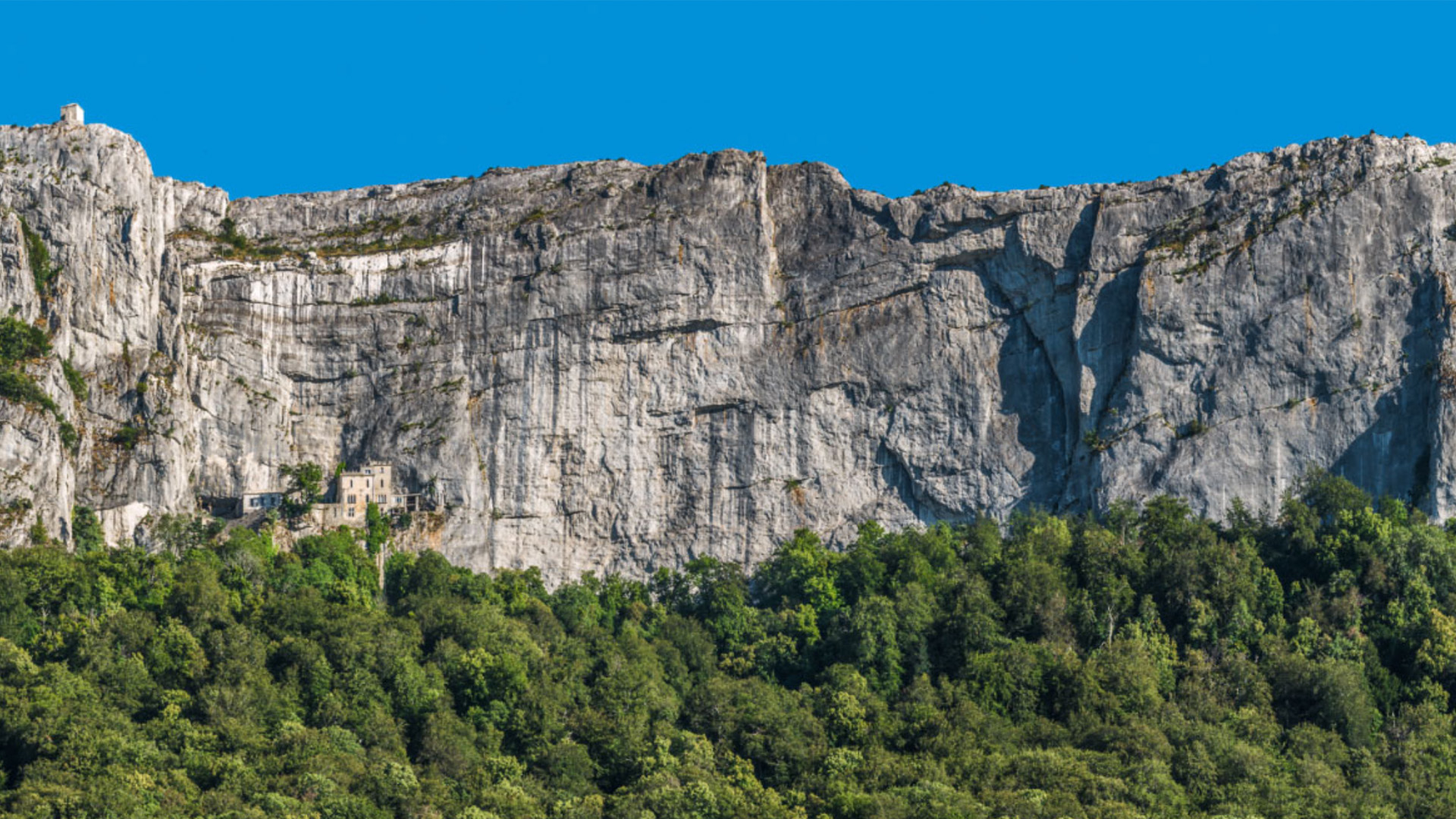
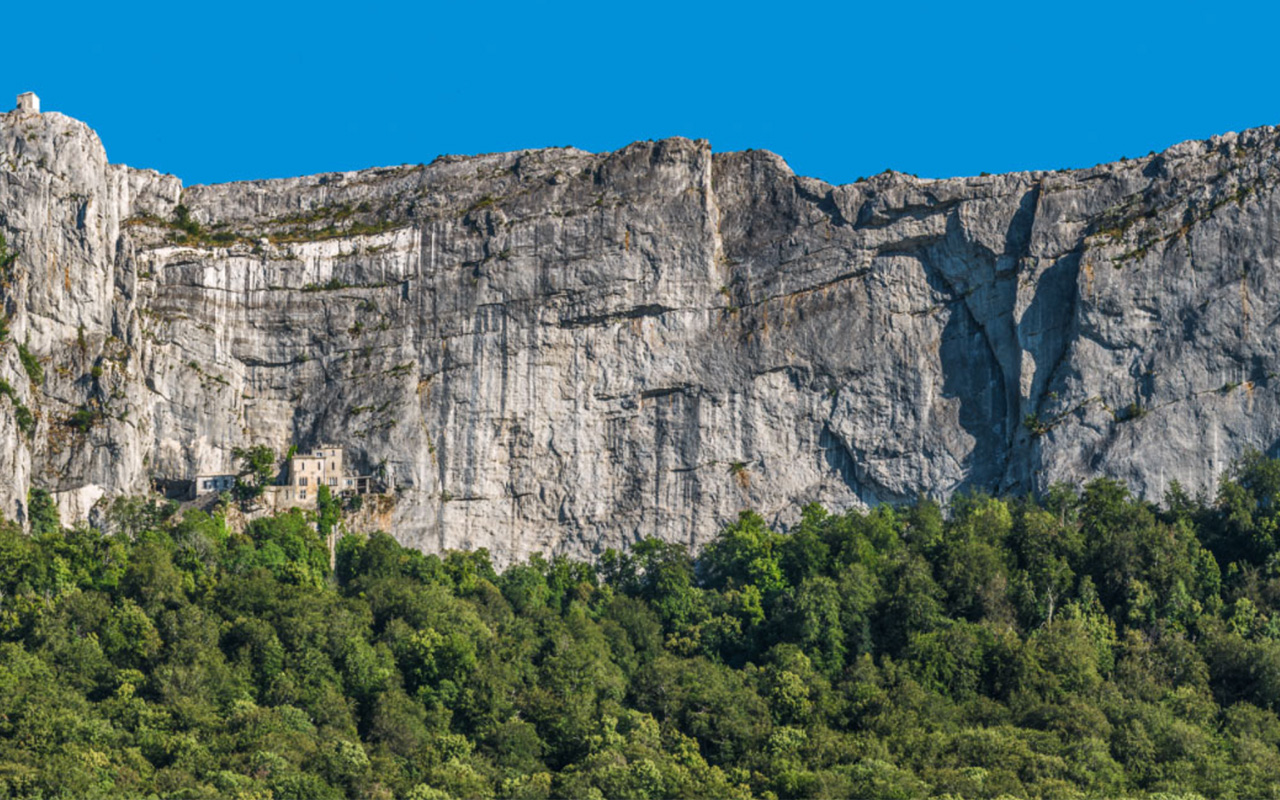
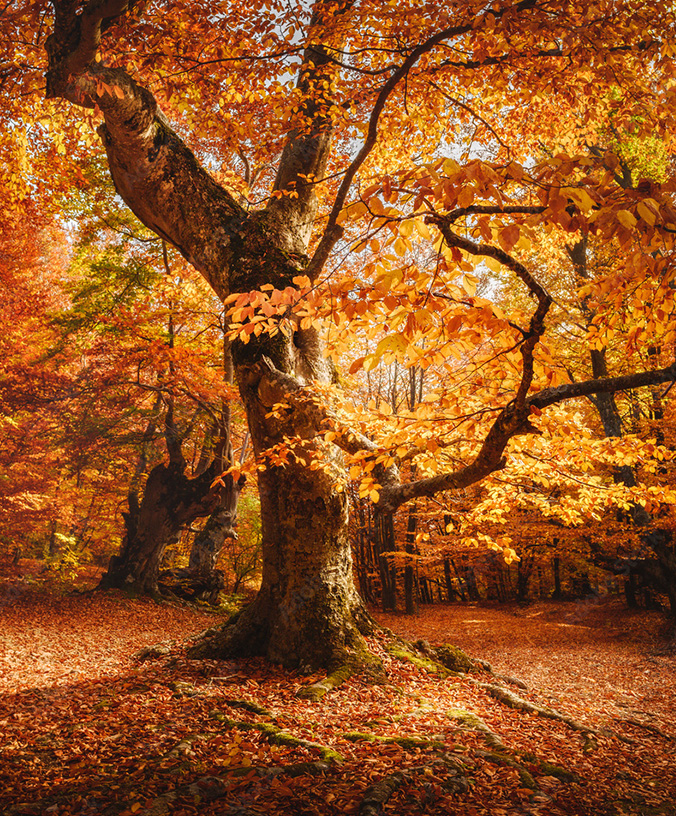
The Sainte-Baume is one of the most unusual natural landscapes in Provence. A long limestone ridge rises above hot Mediterranean scrub and woodland, yet beneath its north-facing cliffs survives an old, cool forest of Beech, oak, yew and Scots Pine, more reminiscent of considerably farther north.
The contrast can be remarkably abrupt. Forest, shaded valley and spring give way to exposed limestone crest, cliff, scree and sun-baked garrigue within a short distance. Beneath the surface, fractured limestone carries water through an extensive karst system before it reappears around the massif. For wildlife, that meeting of old forest, Mediterranean scrub, high open ground, cliffs and hidden water is what makes the Sainte-Baume distinctive.
The forest that should not exist
Landscape & Habitats
Sainte-Baume Regional Nature Park protects one of the last intact relic forests of southern France.
In a warming Mediterranean climate, these shaded, moisture-retaining landscapes may become increasingly important refuges for biodiversity. Preserving them means preserving not just species, but options for the future.
Birding the Sainte-Baume
The Sainte-Baume brings together old forest, Mediterranean woodland, garrigue, limestone cliffs and exposed high ground within a remarkably compact massif. For birders, the north-facing forest is the obvious place to begin because its community feels markedly different from the sunlit country above.
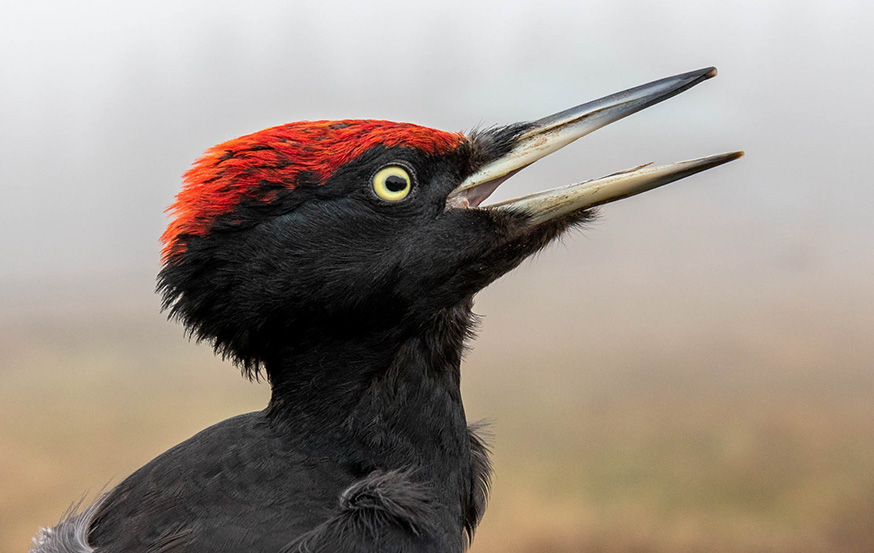
The Forêt de la Sainte-Baume deserves time in its own right. Black Woodpecker is one of its defining birds, accompanied by Great Spotted Woodpecker and Lesser Spotted Woodpecker. Eurasian Nuthatch, Short-toed Treecreeper, Firecrest, Crested Tit and Coal Tit add to the mature woodland community, while Western Bonelli’s Warbler is characteristic of warmer, more open forest. Around clearings and woodland edges, Cirl Bunting, European Serin and Common Linnet begin to appear.
The raptors use much larger areas. Short-toed Snake Eagle returns from Africa from around March and remains into autumn, nesting in sheltered wooded valleys before ranging over open slopes in search of reptiles. European Honey Buzzard adds another summer raptor around woodland, while Eurasian Sparrowhawk is considerably easier to miss amongst the trees.
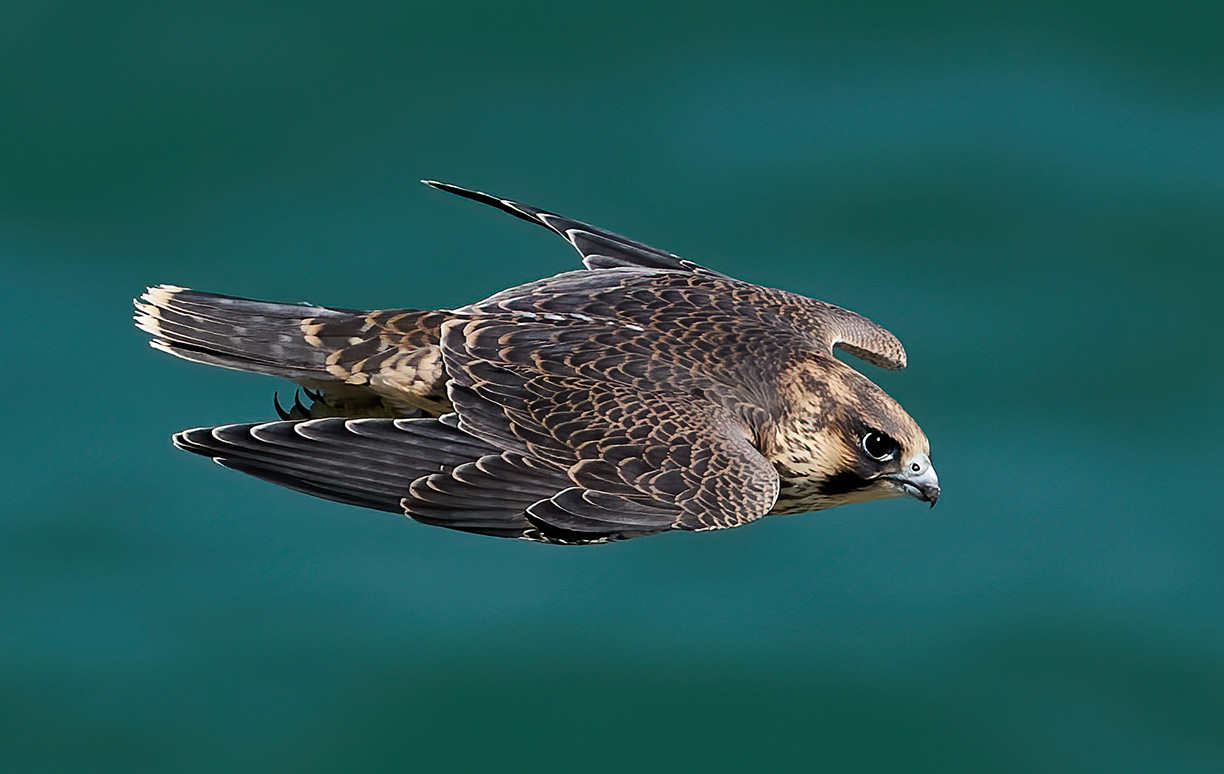
Above the forest, the limestone holds Bonelli’s Eagle, Golden Eagle, Peregrine Falcon and Eurasian Eagle-Owl. The cliffs around Pic de Bertagne and the Falaises des Béguines are important breeding country, with seasonal quiet zones used where necessary. Smaller cliff birds include Blue Rock Thrush, Crag Martin and Common Raven, while Rufous-tailed Rock Thrush is a much more local summer target on suitable open rocky slopes.
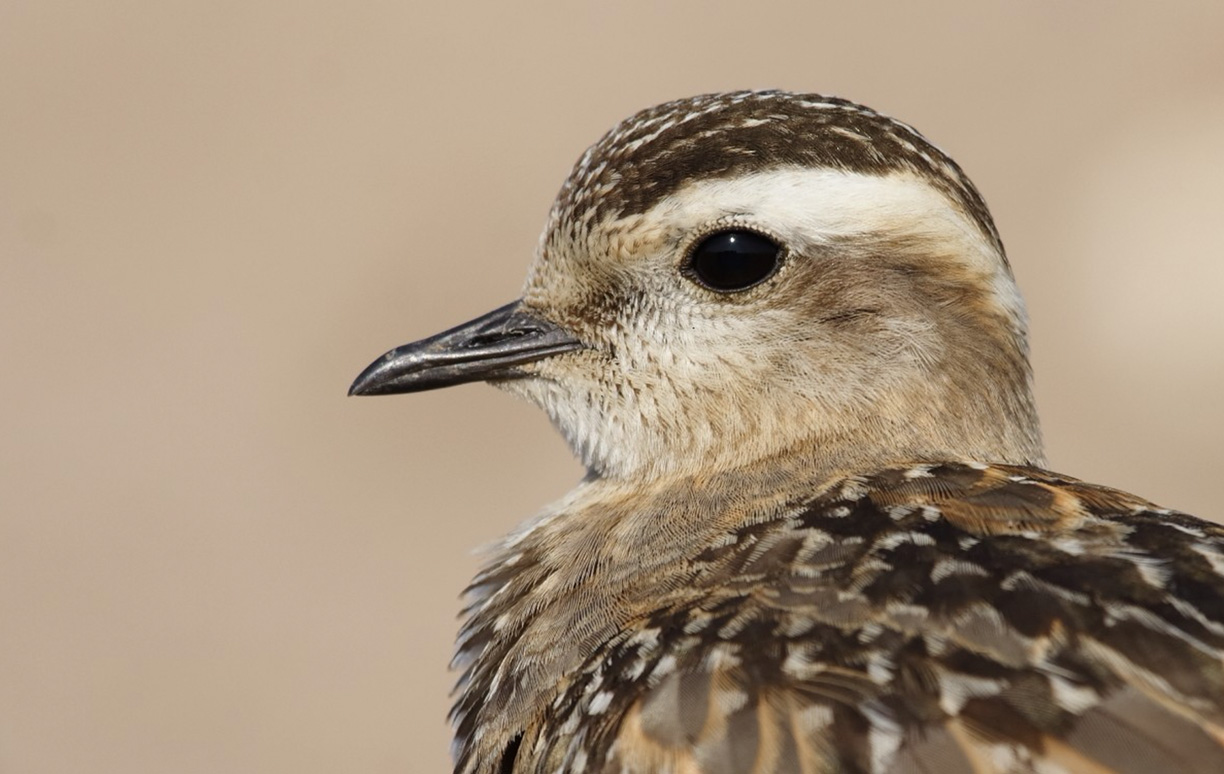
The warmer garrigue and dry grassland bring Dartford Warbler and Woodlark, with the latter particularly worth listening for over open ground. European Nightjar takes over after dark, its sustained churring song carrying from scrub, clearings and woodland margins on warm summer evenings. The exposed crest becomes particularly interesting during autumn passage. Dotterel stop on the high ground, principally from late August into September, using short vegetation and stony open terrain before continuing south. They remain a seasonal target rather than something to assume will be present, but passage is sufficiently regular for the crest to deserve specific attention at the right time.
Migration is occasionally much more conspicuous. Common Cranes pass over the wider massif during their seasonal journeys, sometimes announcing themselves long before a flock can be picked out overhead.
Mammals
Woodland, scrub, rocky country and cultivated foothills support a largely elusive community of small and medium-sized mammals. Much of that fauna is nocturnal. Tracks, feeding remains and droppings are often easier to encounter than the animals themselves, particularly within dense forest and maquis. The Grey Wolf has returned to the wider Sainte-Baume landscape as part of its broader recolonisation of south-eastern France. Presence, however, is considerably easier to establish than an actual sighting.
Bats, Caves and karst fissures provide underground shelter, while old woodland and traditional buildings add further potential roosting habitat. The Greater Horseshoe Bat is one of the species receiving conservation attention within the wider park.
Reptiles & Amphibians
The Sainte-Baume can change from cool forest to sun-baked limestone in only a short distance, and its reptile and amphibian habitats follow that transition. Warm garrigue, rocky slopes, clearings and woodland edges support the Mediterranean reptile community, while shaded forest margins provide cooler, more vegetated conditions. Water produces another habitat entirely. The outstanding aquatic reptile is the European Pond Turtle. A small, isolated population survives at Mazaugues, where studies have confirmed breeding and monitored the population through capture, marking and recapture. It is therefore a highly localised part of the Sainte-Baume fauna rather than a turtle likely to be encountered across the wider massif.
Amphibians depend on an even more scattered network of springs, pools, shaded streams and temporary water, creating a wetter natural world hidden amongst predominantly dry limestone country.
Butterflies & Other Invertebrates
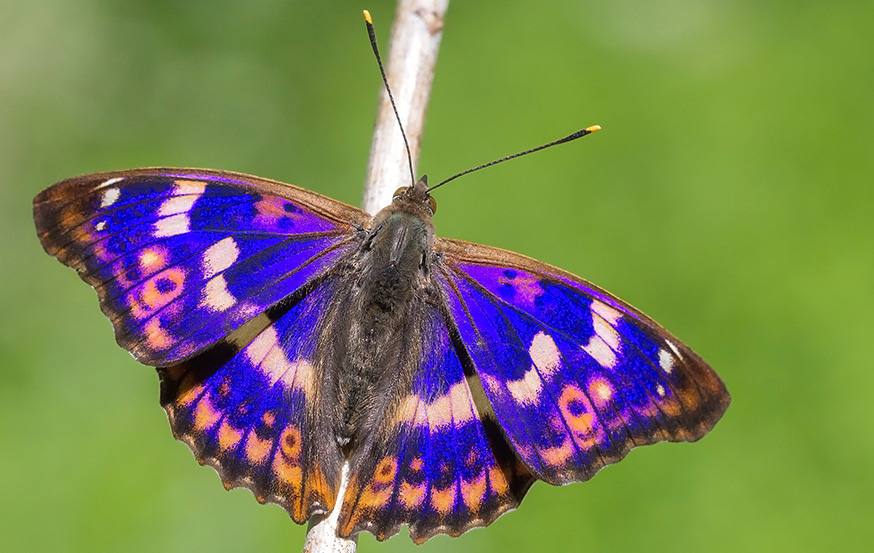
Some of the Sainte-Baume’s most interesting wildlife is considerably smaller. The meeting of Mediterranean scrub, old woodland, flower-rich grassland and cooler upland country gives the massif a butterfly fauna that changes noticeably between its warm slopes and shaded northern forests. Lesser Purple Emperor belongs to that cooler woodland side of Sainte-Baume, with records around Mazaugues. It favours deciduous woodland, forest rides and damper places where willows and poplars grow. Much of its time is spent high amongst the trees and the dark wings can be surprisingly unobtrusive until the light catches the male’s blue-violet iridescence.
Birch Hairstreak is one of the quieter specialities. Dedicated surveys around La Celle search Blackthorn for its eggs rather than relying on encounters with the elusive adults. Meadowsweet Fritillary has also been the subject of focused survey work around Cuges-les-Pins, while Bladder Senna Blue has a particularly close relationship with the scattered occurrence of its larval foodplant. Around La Celle, the Domaine de l’Escarelle alone has recorded nearly 100 species of day-flying butterfly, showing what can occur where woodland, scrub and open ground meet.
Ancient woodland is valuable precisely because not everything is alive and green. Standing dead trees, fallen trunks, hollow limbs, fungi and rotting wood support an extraordinary community of insects. Surveys across three old forests within the park identified nearly 400 beetle species, more than 80% of them associated with dead or decaying wood.
Rare species occurred amongst them, including beetles previously recorded only a handful of times elsewhere in Provence-Alpes-Côte d’Azur. The veteran Beeches, oaks and yews therefore continue supporting wildlife long after branches fall or trunks begin to decay.
An endemic scorpion
The exposed crest has an entirely different invertebrate story. A scorpion species new to science was described from the Sainte-Baume in 2022, based on three animals collected on the high crest at around 1,000 metres. It is currently known only from this part of the Var. Apparently bare limestone and stones on the ridge can therefore support wildlife every bit as geographically distinctive as the old forest below.
Botanical Highlights
The botanical identity of the Sainte-Baume is defined by contrast.
The Ancient Forest
On the north-facing slope, Beech, ancient oaks, old Provençal yews and Scots Pine form a woodland quite unlike the Mediterranean forest surrounding much of the massif. The old trees are only part of its botanical interest. Fallen timber, mosses, fungi, shaded ground and pockets of persistent humidity create considerable structural variety beneath the canopy. Centuries of protection have played an important role in allowing this woodland to survive.
Mediterranean Slopes
Cross onto warmer exposures and the vegetation changes rapidly. Mediterranean woodland, garrigue and dry grassland dominate, with drought-adapted plants occupying thin soils and exposed limestone. The changing vegetation is reflected immediately in the insects, reptiles and birds using the southern slopes.
Crest, Scree & Limestone
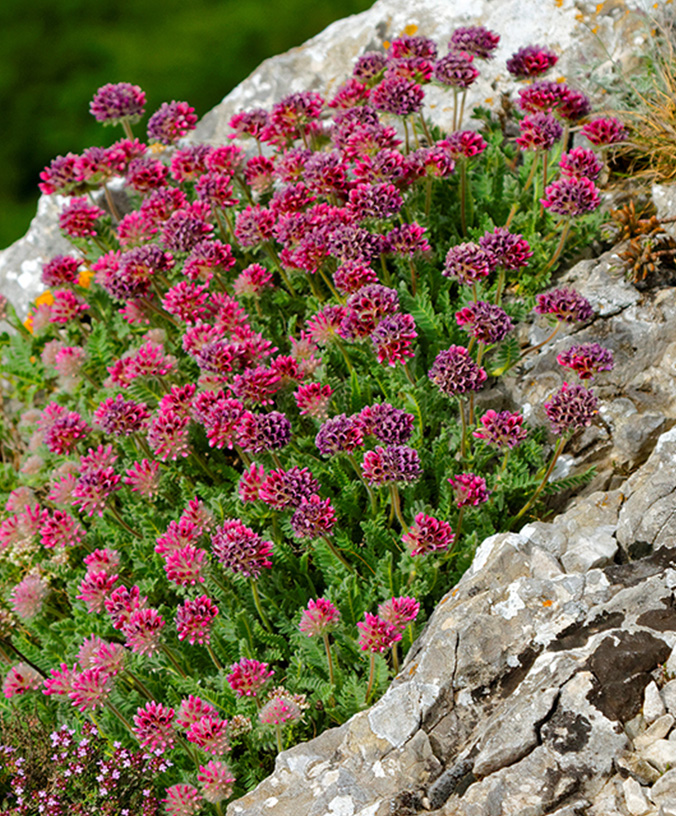
Higher on the ridge, exposure becomes the dominant influence. Thin soil, wind, summer drought and winter cold favour low-growing plants capable of surviving in grassland, scree and rock crevices. Only a short distance separates this exposed high-ground vegetation from the shaded forest below. Few landscapes in Provence show that climatic and botanical transition quite so clearly.
Just passing through
The Dotterel
Handsome plover with a gentle, dove-like face. Breeding plumage distinctive, with bold white eyebrow, white breast band above rusty-orange belly with black centre. Nonbreeding plumage buffy overall, with whitish eyebrow and breast band. A bird of dry upland habitats: breeds on moorland and tundra. Migrants occur here on mountain tops at times in small groups, especially in spring. Often rather tame, but inconspicuous.
Knock on wood
Black Woodpecker
Unmistakable large, crow-sized woodpecker, all black with a red crown, which is reduced in females. Powerful, straight, and rather flappy flight without the undulations of other woodpeckers. Very noisy, with a strident “ke-yaa” given when landing or perched and a “krry-krry-krry” call uttered in flight. Found in a range of forest types, especially older mixed forest.
Explore Further
- Parc naturel régional de la Sainte-Baume – the official Regional Park website.
- Chroniques naturalistes de la Sainte-Baume – species-focused natural-history material produced by the Park
- Natura 2000 Sainte-Baume – the Park’s hub for the four Natura 2000 sites intersecting Sainte-Baume, including their habitats, species and conservation work.
- Atlas de biodiversité communale – local biodiversity inventories and resources for individual communes across the park.