


Baronnies Provençales Regional Park
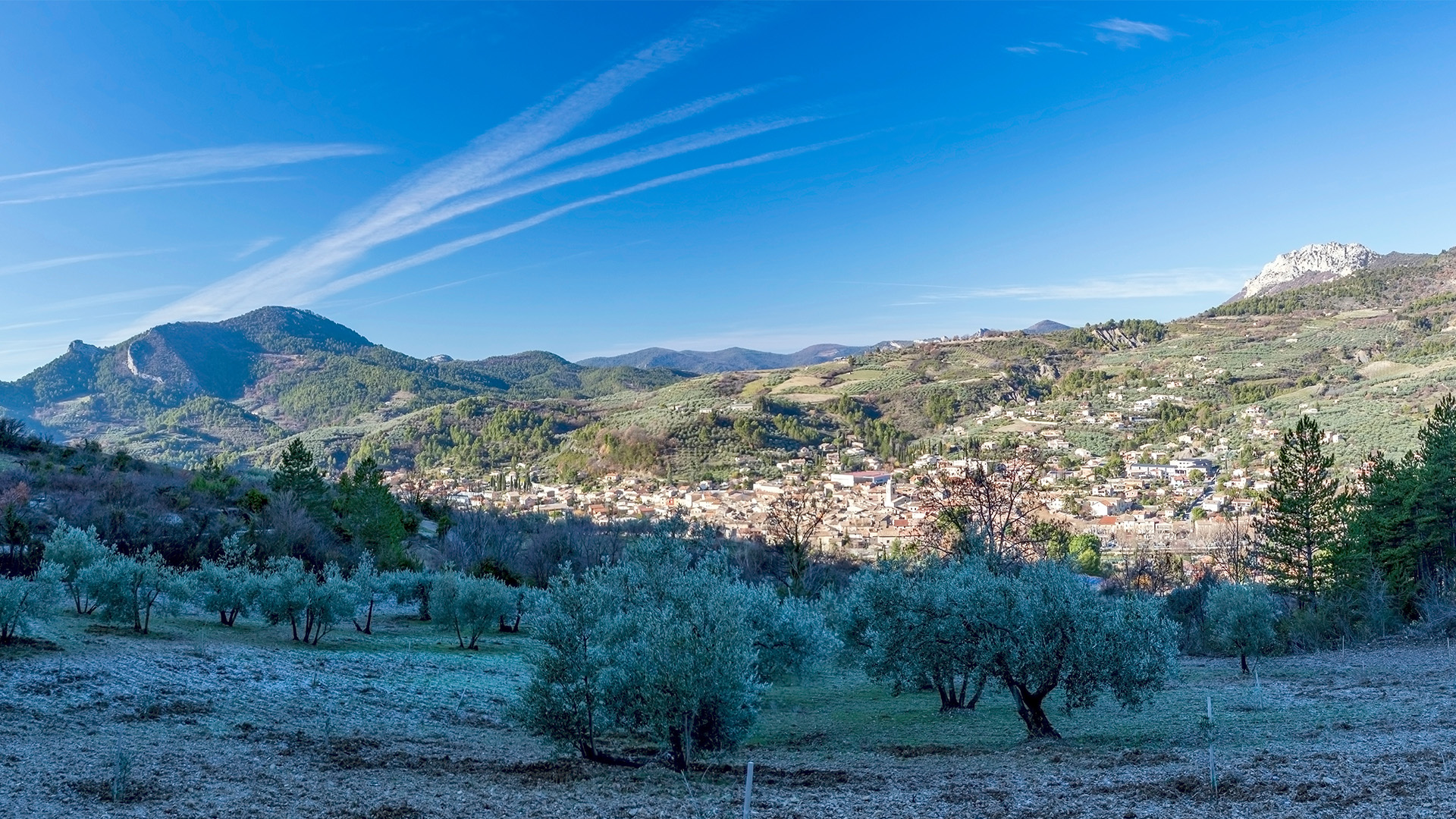
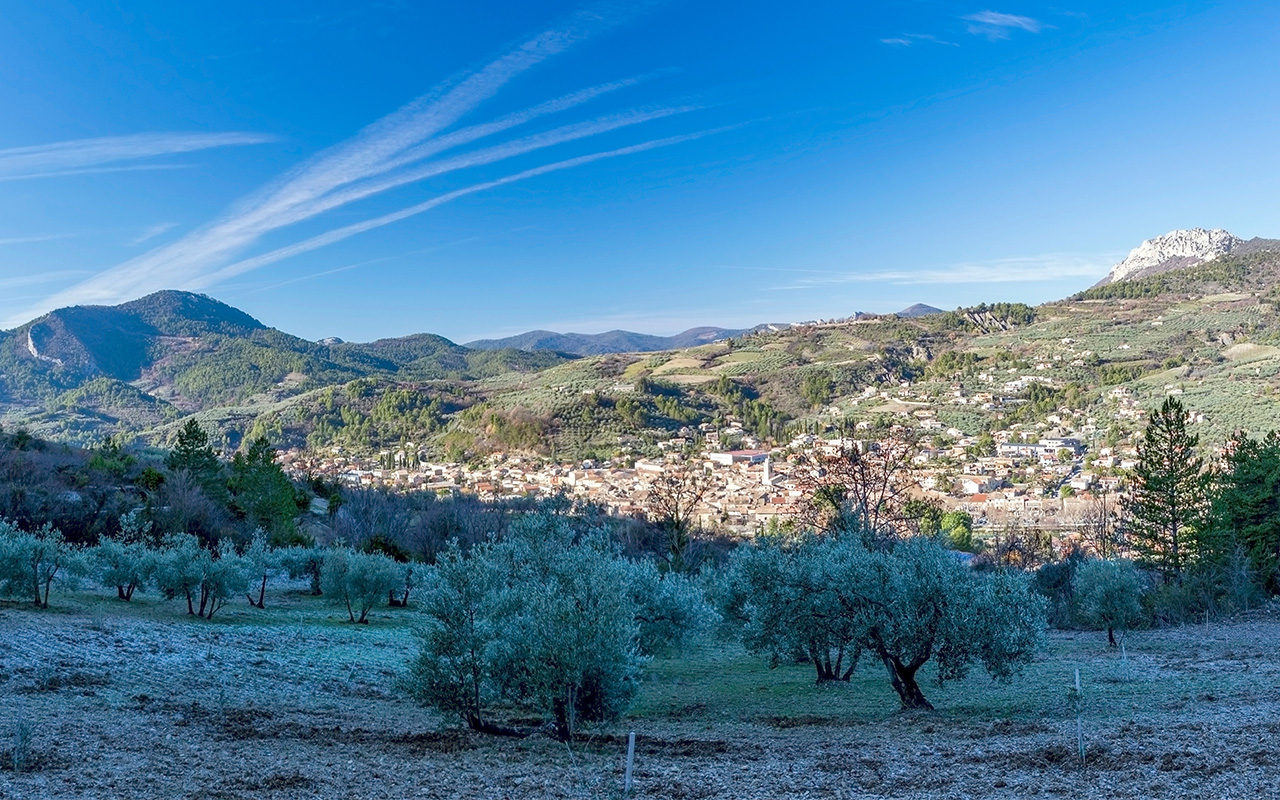
Straddling the southern Alps and the northern edge of Provence, the Baronnies Provençales form a vast, lightly populated landscape of limestone ridges, deep valleys and sun-washed plateaus. This is a park shaped as much by traditional farming and village life as by geology and climate, where biodiversity thrives in a patchwork of open hillsides, woodland, rivers and cliffs.
It is a place best explored slowly: on foot, by bike, or simply by lingering in the landscape and letting its rhythms reveal themselves.
A living mosaic of limestone, lavender and life
A crossroads of climates and species
The Baronnies sit at the meeting point of Alpine, Mediterranean and continental influences, creating an exceptional diversity of habitats within a relatively compact area. Dry calcareous grasslands sit above orchards and lavender fields; oak and pine forests cloak cooler slopes; rivers and gorges cut through the rock, offering vital refuges during the heat of summer.
This ecological variety supports an impressive range of wildlife, often encountered unexpectedly while walking, climbing or cycling through the park.
2 000 plant species and 203 animal species protected at either national or regional level (including 54 species of common interest such as vultures).
Wildlife highlights
The Baronnies are particularly renowned for their birdlife, especially birds of prey that use the cliffs and thermals to full advantage. Golden eagles, griffon vultures and short-toed snake eagles are all emblematic of the park, while quieter corners reveal owls, woodpeckers and a rich assemblage of passerines.
Reptiles and amphibians are well represented thanks to the warm climate and mosaic of wetlands, dry stone walls and open ground. Lizards bask on sunlit rocks, while frogs and toads persist in springs and streams that have been carefully managed for centuries.
Mammals are more discreet but very much present, from bats using caves and old buildings to roe deer, wild boar and foxes moving through woodland and farmland.
Insects
A giant in the undergrowth
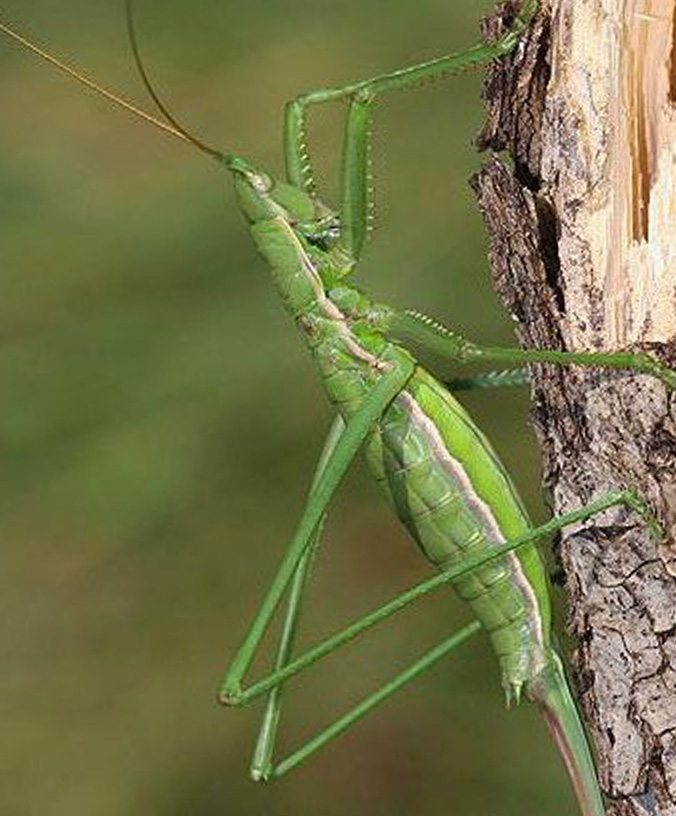
Common Predatory Bush Cricket:
This cricket is one of the biggest in Europe. It can measure up to 17 cm in length and does not have wings. Its long legs have spines allowing it to capture other crickets and young grasshoppers on which it feeds. It can be found between June and autumn.
Plants, people and traditional landscapes
What makes the Baronnies distinctive is the way human activity and biodiversity remain closely intertwined. Lavender fields, olive groves, vineyards and pastoral grazing have helped maintain open habitats that many species depend on. Wild orchids, aromatic herbs and hardy shrubs flourish alongside cultivated land, blurring the line between “natural” and “worked” landscapes.
Dry stone walls, terraced slopes and historic villages are not just cultural features, they are part of the ecological fabric of the park.
Orchids
Cinderella you will go to the ball
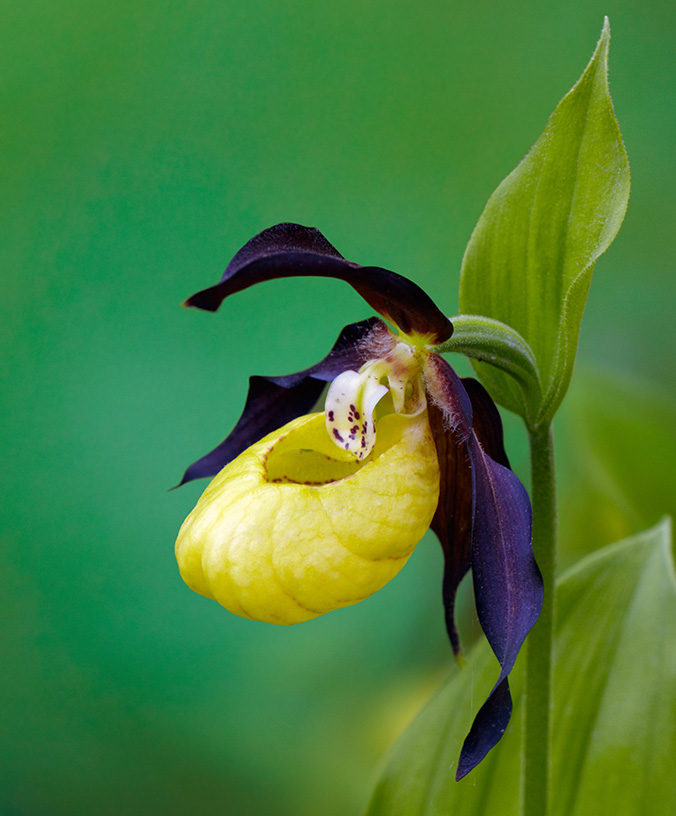
Lady’s Slipper Orchid:
Unlike most other orchids, the flowers characteristically feature two fertile anthers (male, pollen-producing structures) instead of just one. The slipper-shaped lip of the flower serves as a trap for pollinating insects, forcing insect visitors to climb past the reproductive structures and deposit or receive pollen in order to fertilise the flower.
Exploring with care
The Baronnies reward curiosity and respect. Stick to paths in sensitive areas, take litter home, and remember that many species rely on calm, undisturbed spaces. By moving gently through the landscape, you become part of the continuity that has allowed this region to remain so rich in life.
Why the Baronnies matter
As pressures on wild spaces increase elsewhere, the Baronnies Provençales demonstrate the value of large, connected, lived-in landscapes. They show how biodiversity can persist and even flourish, where traditional land use, conservation and exploration coexist.
For those willing to look closely, this is a park that reveals its richness not in grand gestures, but in accumulated moments: a soaring vulture, the scent of thyme underfoot, the sudden movement of life at the edge of vision.
Official Links