


Préalpes d’Azur Regional Park
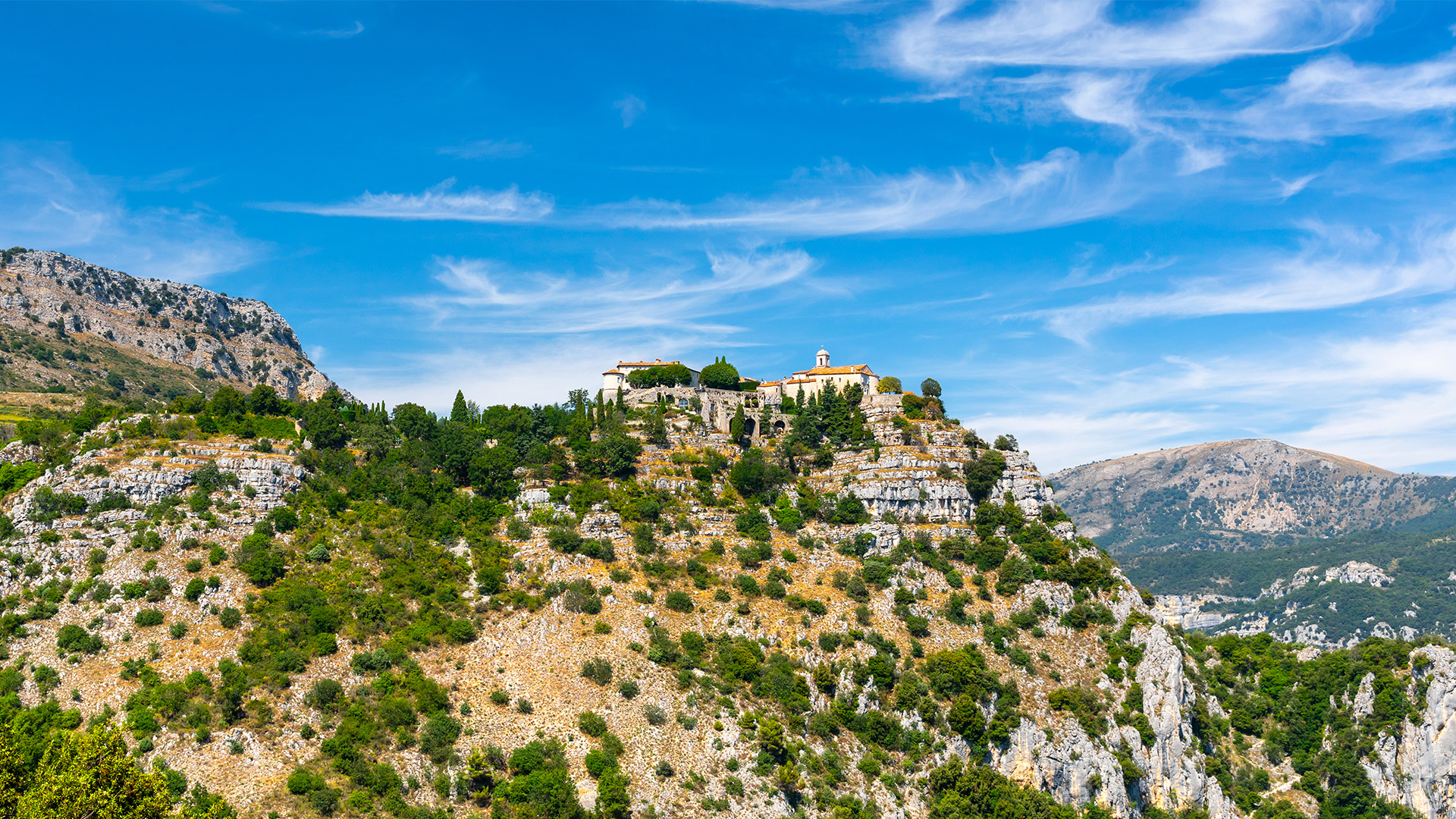
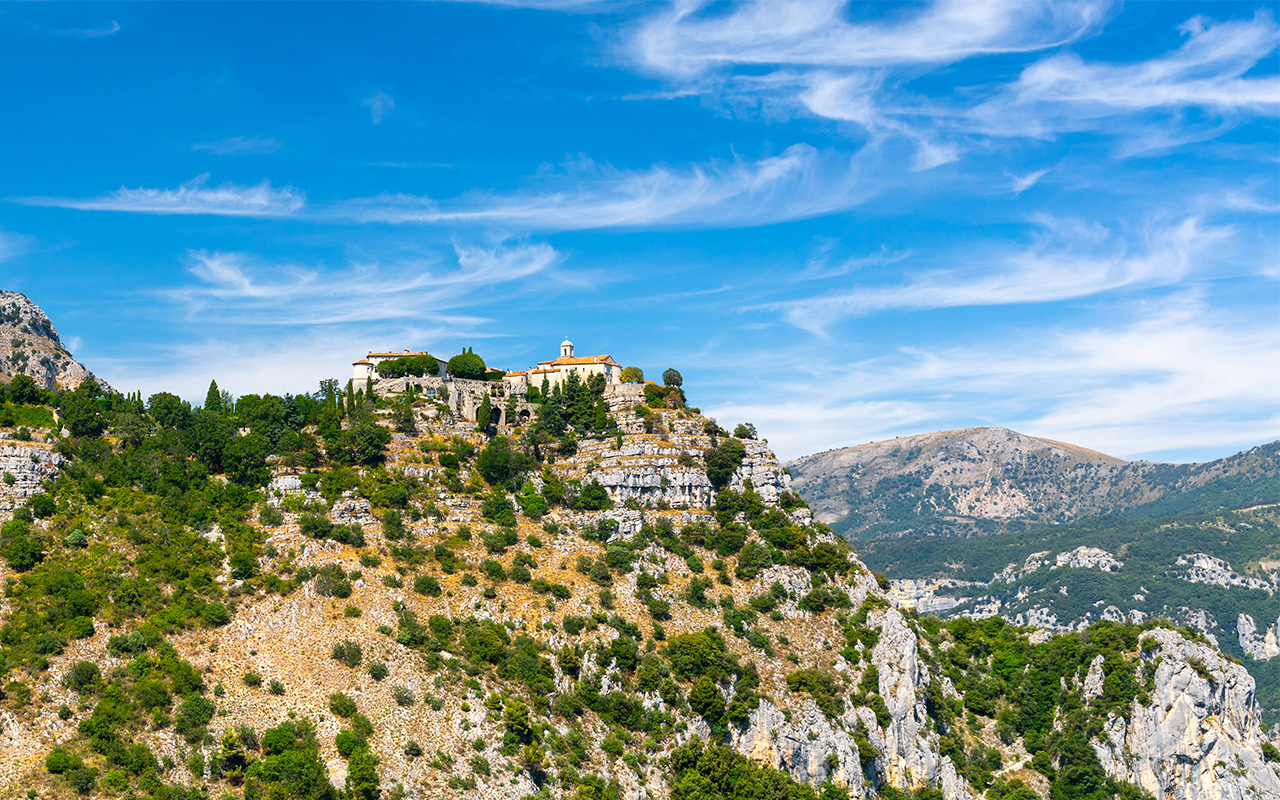
Just inland from the glare and intensity of the Côte d’Azur lies a very different world. The Préalpes d’Azur Regional Nature Park is a landscape of altitude, silence and space. A high limestone hinterland where nature feels stripped back, elemental and surprisingly wild.
A perfume factory
A land shaped by absence of water
What defines the Préalpes d’Azur more than anything else is karst.
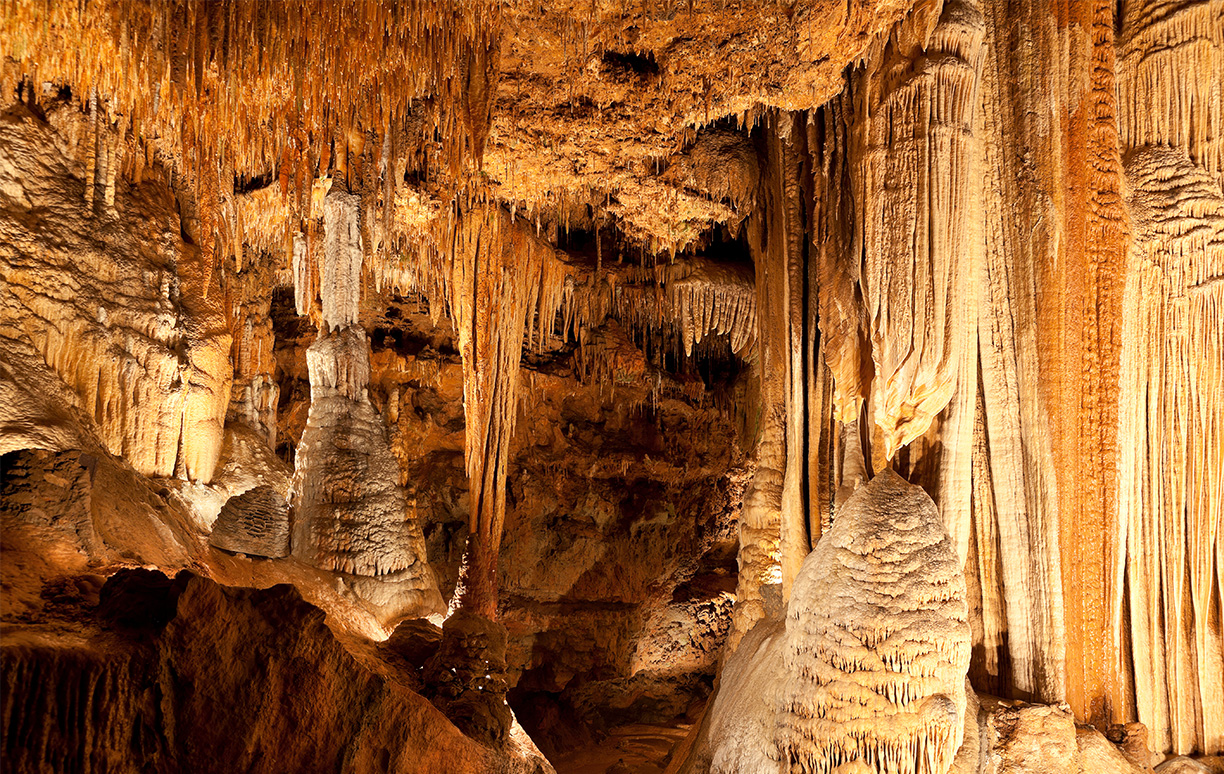
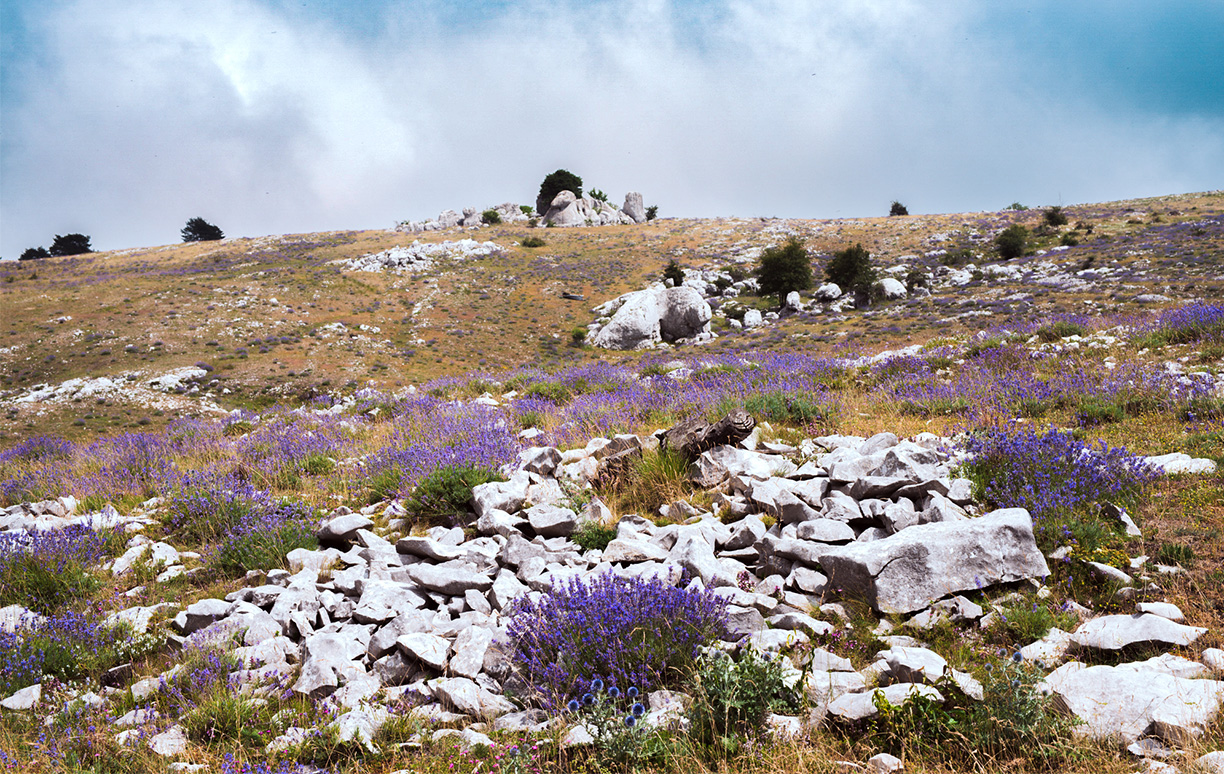
Rain and snow vanish underground almost as soon as they fall, draining through fissured limestone into vast subterranean systems. Surface rivers are rare; instead, the landscape is punctuated by sinkholes, dry valleys, caves and sudden resurgences far below.
Life here has adapted to scarcity. Plants hug the ground. Animals travel widely. Invertebrates dominate the ecological machinery.
To the bat cave
Located in Alpes-Maritimes, the Préalpes d’Azur Regional Natural Park ranges in altitude from 300 to 1,800 metres, between the Valleys of Le Loup, Le Cagne, L’Estéron, La Siagne and Le Var.
It’s comprised of vast tracts of crumpled limestone and karstic pastures, communal forests and perched villages, which are interspersed with thousands of caves. These are important roosting sites for many bat species. It too is the source for the fragrant oils its plants produce that are harvested and turned into luxury perfumes in Grasse.
Endemic geranium
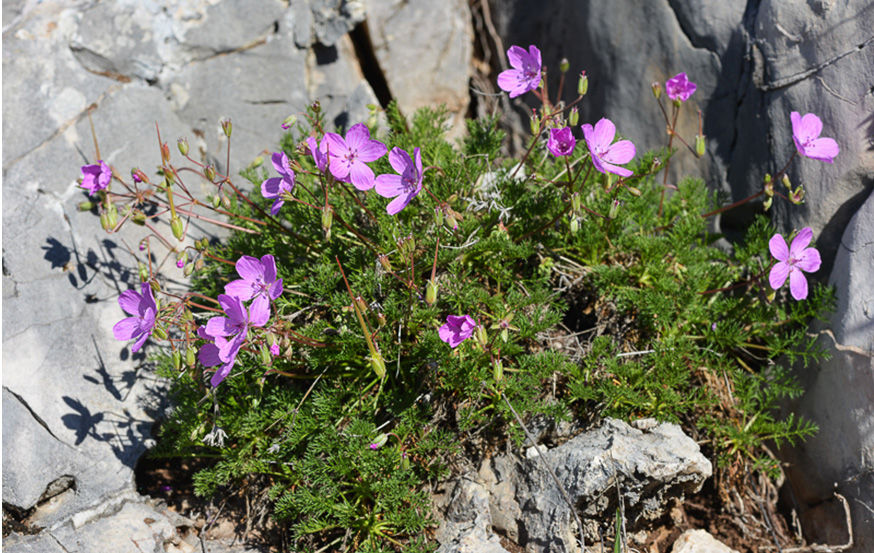
2 000 plant species are present in the Préalpes d’Azur with many aromatics used in the local perfume industry, some though are unique in this world. These include a wild geranium that is endemic to this particular territory. The Erodium rodiei has small flowers around 3cm in diameter made up of 5 purple veined petals. Its location is restricted to four sites around Saint-Vallier-de-Thiey (06) and Mons (83). This makes it extremely vulnerable to extinction.
Rewilding practices
Reserve Des Mont D’Azur
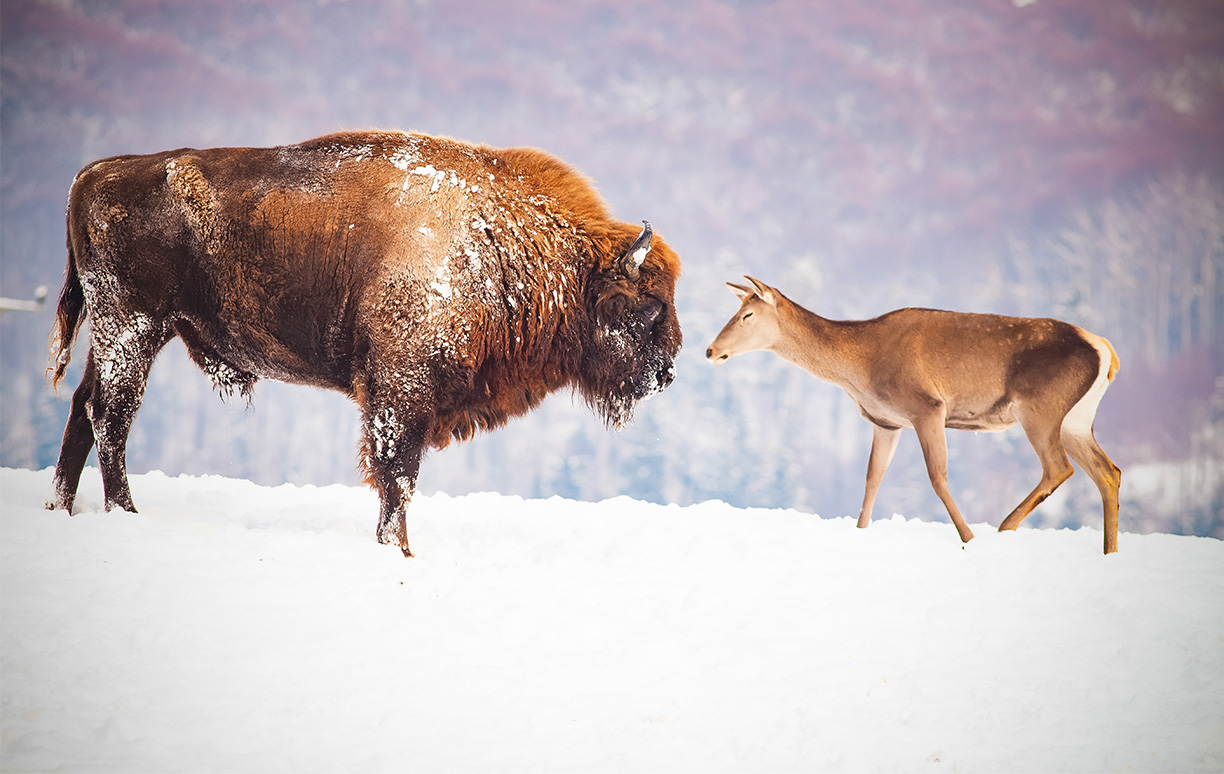
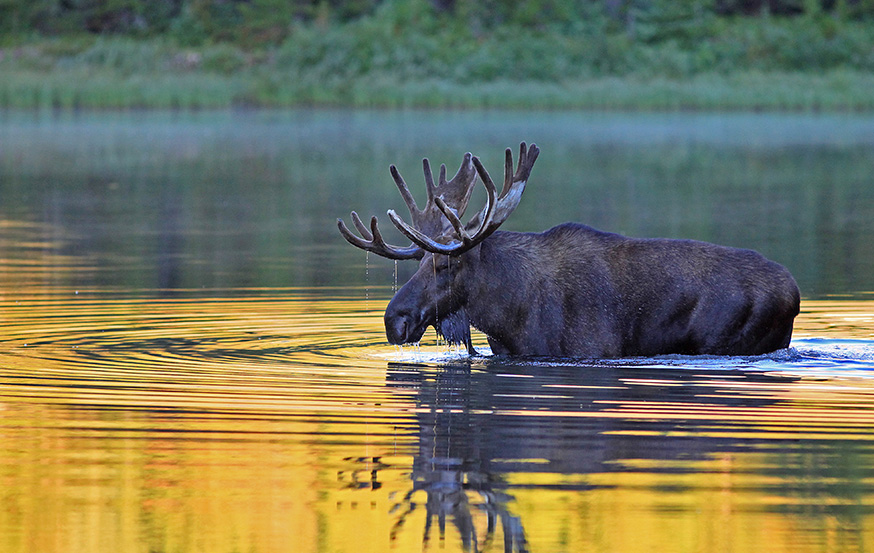
The Monts d’Azur Biological Reserve is an enclosed animal park. There you can find ancestral and amazing species of European fauna living side by side: European Bison, Red, Fallow and Roe deer, surprisingly even Elk and the Przewalski’s horse. These species are often considered ecosystem engineers and important for any rewilding initiative. Their land management paves the way for other species to make their return. In total, there are several hundred species wandering the 700 hectares of the Reserve. It is worth a visit, but for me personally I’d rather see this implemented into our landscapes without fences.
High plateaux and biological edges
Large areas of the park sit between 800 and 1,800 metres, creating a transitional zone where Mediterranean species reach their upper limits and alpine species descend unusually low.
This makes the Préalpes d’Azur a zone of overlap and tension, rather than dominance:
- Mediterranean reptiles persist on sun-exposed slopes
- Alpine plants survive in frost-prone hollows
- Continental species spill south along ridgelines
It is a park of margins and margins are where diversity thrives.
One of the region’s great invertebrate landscapes
If the Préalpes d’Azur has a true ecological signature, it is insects.
Dry grasslands, stony plateaux and flower-rich pastures support exceptional diversity of butterflies, grasshoppers and other pollinators. Many species here are highly localised, dependent on precise grazing levels and open terrain.
This abundance feeds upwards: reptiles, birds and small mammals all rely on these insect-rich systems.
A landscape still worked, not curated
Unlike many protected areas, the Préalpes d’Azur remains a living pastoral landscape.
Seasonal grazing maintains open plateaux, prevents scrub domination and preserves habitats that would disappear within decades if abandoned. The balance is fragile: too much grazing simplifies the system, too little allows woodland to close it down.
Stone villages, shepherd routes and high pastures are not cultural relics they are ecological infrastructure.
Exploring the Préalpes d’Azur
Exploration here is about immersion rather than highlights.
Expect long walks across open plateaux, expansive views towards the Alps and the sea, and wildlife encounters that reward patience rather than spectacle. This is a place to slow down, observe patterns and notice details.
Its proximity to the Riviera makes it all the more remarkable and all the more overlooked.
Conservation context
The Préalpes d’Azur Regional Nature Park acts as a critical ecological buffer between the coast and the Alps.
By protecting high plateaux, karst systems and open pastoral landscapes, it preserves ecological processes that cannot be recreated once lost. In a region under constant development pressure, this quiet upland matters far more than its profile suggests.
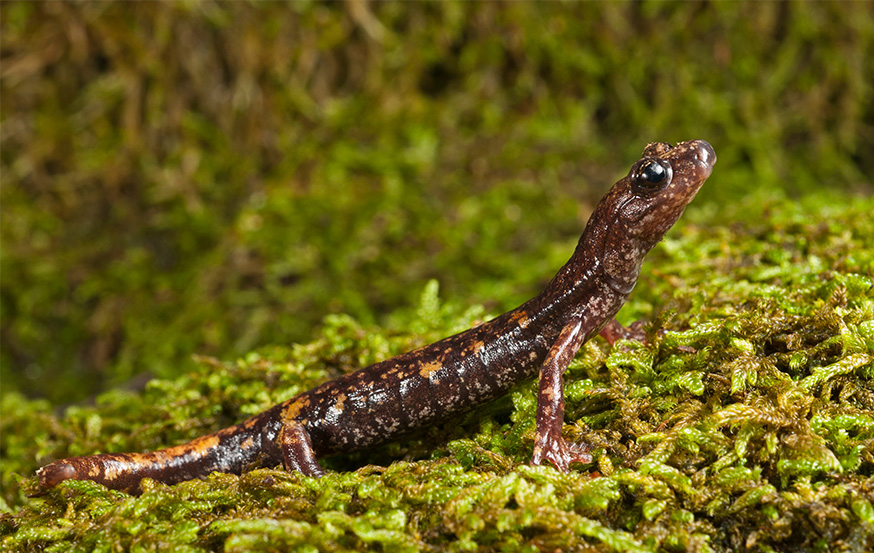
Get to know the Strinati’s cave salamander
A small discrete and nocturnal amphibian An adult measures between 8 and 13 cm. It hunts on the move and captures its prey (spiders, crustaceans, insect larvae, etc.) with its protractile tongue (like that of chameleons). It is yet another species with a very limited range that we are fortunate to have in our region.
Official Links