


Fort de la Revère
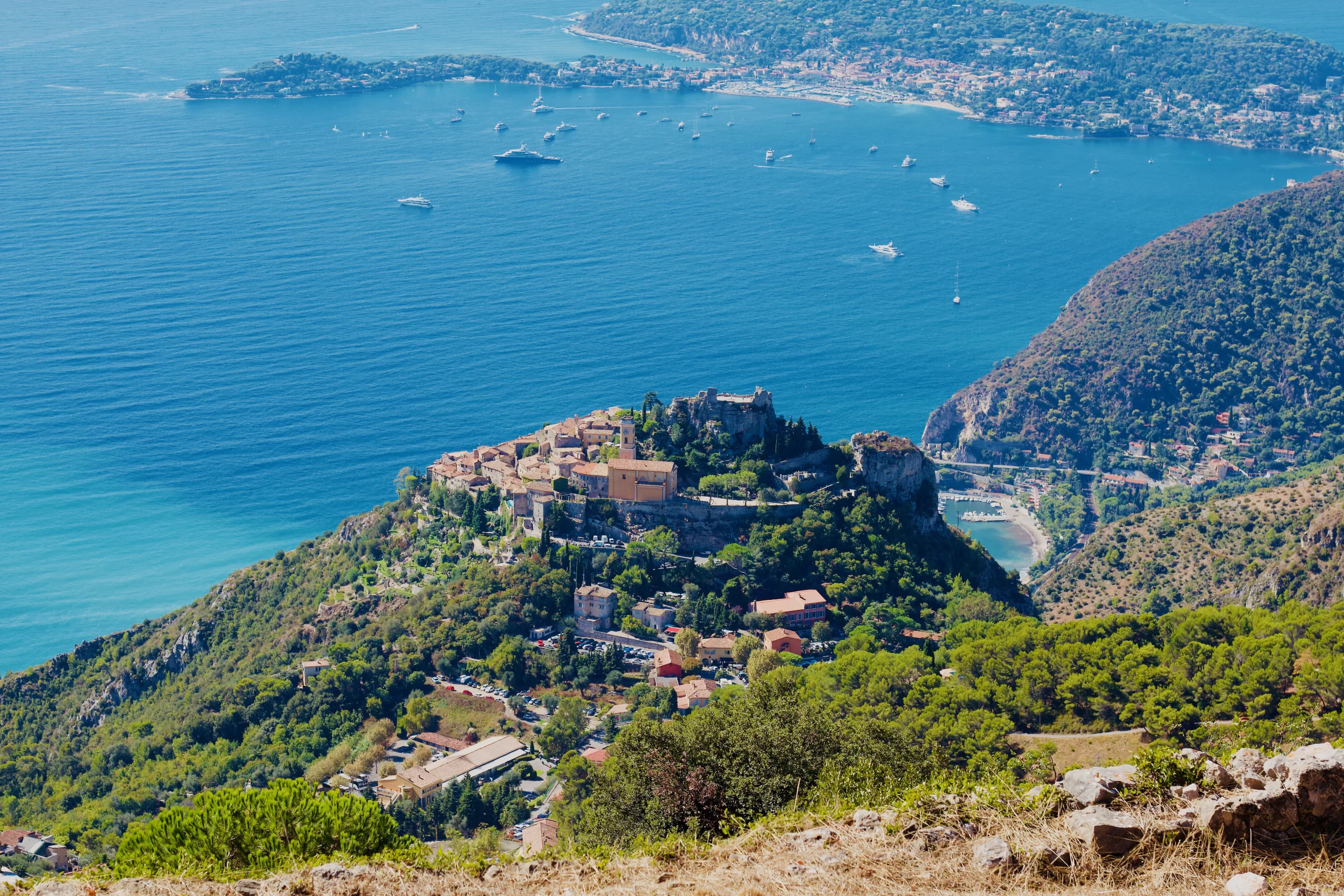
Perched high above the Mediterranean between Nice and Monaco, Fort de la Revère is one of the most important migration observation sites in the Provence-Alpes-Côte d’Azur region. Its position at the junction of coast, sea and alpine foothills creates a natural funnel for birds on the move — a place where migration becomes visible, audible and deeply immersive.
This is not a landscape defined by static wildlife encounters. Fort de la Revère is about movement, timing and passage. It rewards patience, return visits and an eye trained to the sky.
A frontline seat on one of southern France’s great migration corridors
A Landscape Built for Passage
The fort overlooks a dramatic sweep of coastline where the Mediterranean presses hard against rising limestone hills. Behind it, inland ridges guide birds north–south; in front, the sea acts as both barrier and highway.
These overlapping geographical features compress migration routes, drawing birds into narrow airspaces where they can be observed at close quarters. On the right day, the sky feels alive — streams of birds moving with purpose, shaped by wind, thermals and instinct.
It is this convergence of land, sea and altitude that has made Fort de la Revère a reference site for visible migration (vis-mig) in the region.
The Rhythm of Migration
Migration at Fort de la Revère follows a recognisable seasonal arc, one that regular observers come to know intimately.
The season usually opens with the arrival of European bee-eaters, their rolling calls signalling the first southbound movements of late summer. From here, passage builds steadily as a wide variety of species funnel along the coast and inland ridges.
As autumn progresses, the sky fills with:
- Raptors riding thermals along the limestone slopes
- Swifts and hirundines moving through in fluid waves
- Mixed movements that vary daily with wind and weather
Later in the season, migration becomes more episodic and often higher, requiring careful scanning and a sense of anticipation.
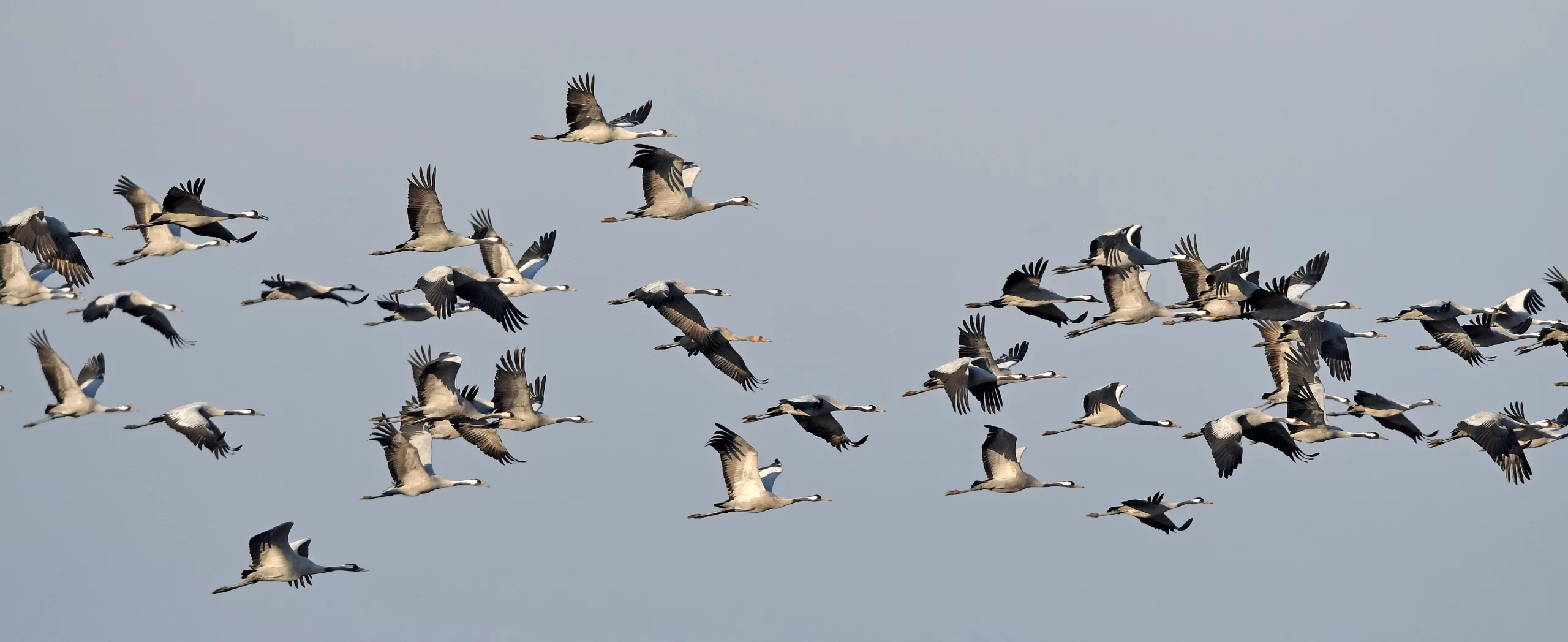
The year typically draws to a close in November, marked by the passage of common cranes, their distant, resonant calls echoing across the hills as they move south in loose formations — a fitting finale to the season.
This clear beginning and end give Fort de la Revère a rare sense of migration narrative: a place where the same natural rhythm plays out year after year, yet never quite the same way twice.
More Than Raptors
While raptor migration is a major draw, Fort de la Revère is notable for the diversity of species that pass through or over the site.
Depending on conditions, observers may encounter:
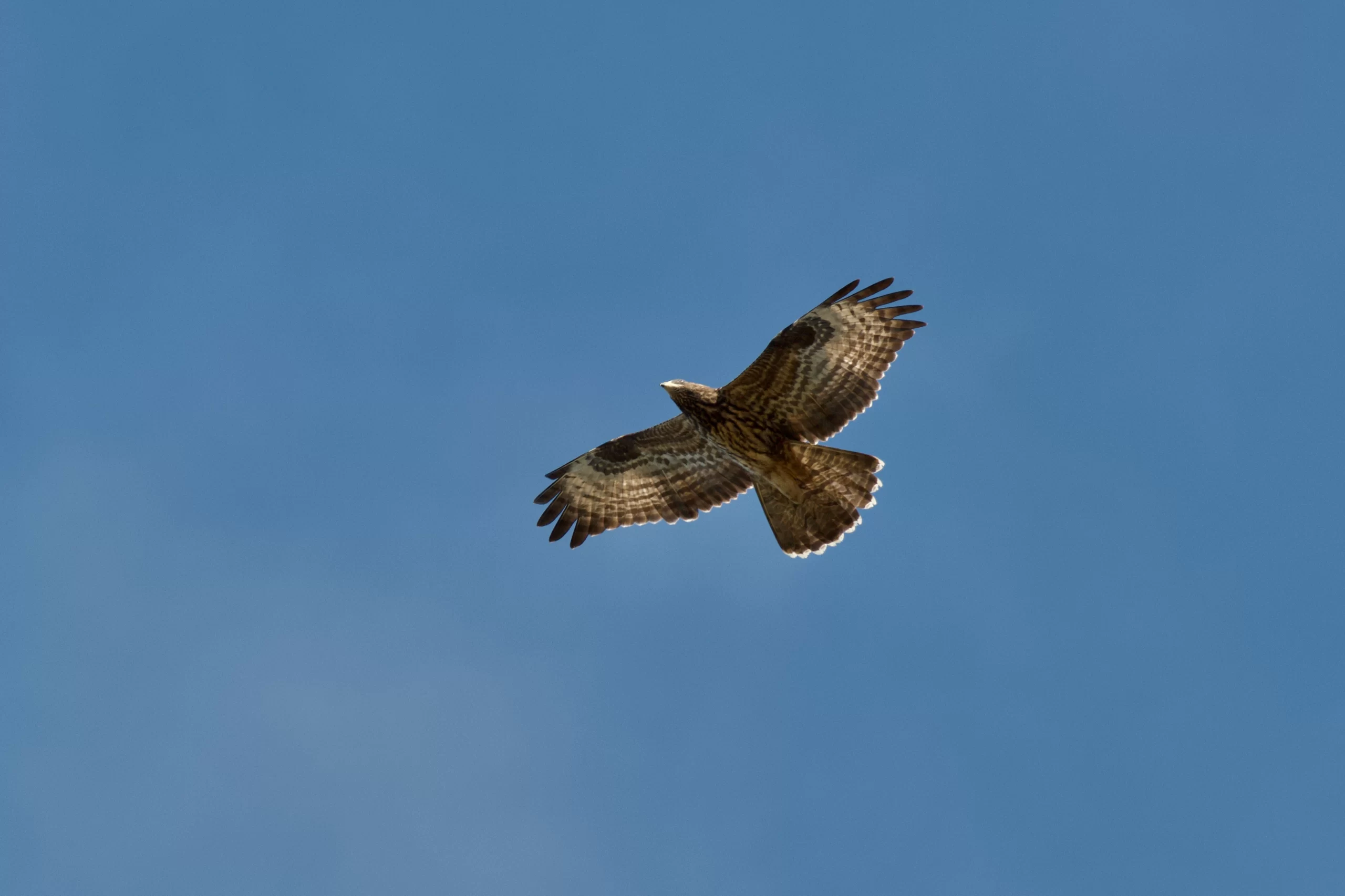
- Honey buzzards, kites and falcons using ridge lift
- Alpine and coastal species intersecting in the same airspace
- High-altitude movements visible only as distant specks, rewarding careful watching
The experience is often one of accumulation rather than spectacle — numbers building quietly over hours, patterns revealing themselves to those who stay.
A Place for Observation, Not Interruption
Fort de la Revère is valued not because wildlife is approachable, but because it can be observed without interference. Birds here are travelling — conserving energy, responding to weather windows, navigating vast distances.
Visitors are encouraged to:
- Keep noise and movement to a minimum
- Avoid flushing resting birds
- Stay on established paths and observation points
This respect ensures the site remains what it is today: a place where migration can unfold naturally, uninterrupted and authentic.
Why Fort de la Revère Matters
In a world where migration routes are increasingly pressured, sites like Fort de la Revère offer something rare:
- A window into large-scale ecological processes
- Continuity — the same movements observed across generations
- A reminder that conservation is as much about airspace as it is about land
For seasoned observers, it is a benchmark site.
For newcomers, it is often a revelation — the moment when migration becomes real.
In summary
Fort de la Revère is not about ticking species lists or fleeting encounters. It is about standing still while the natural world moves past you — sometimes quietly, sometimes in great numbers — following ancient routes written into wind and landscape.
If you watch long enough, the sky tells the story.