


Gorges de Daluis Regional Nature Reserve
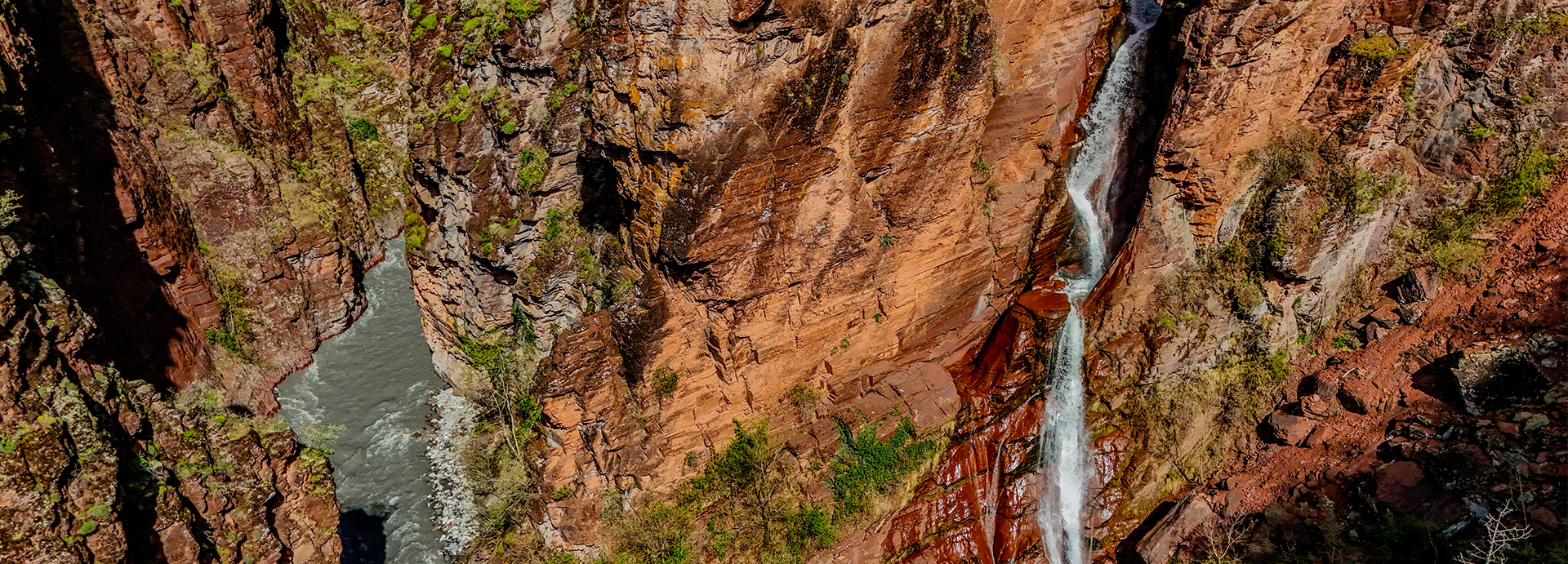
The Réserve Naturelle Régionale des Gorges de Daluis is one of Provence-Alpes-Côte d’Azur’s most striking and ecologically distinctive protected areas. Carved by the Var River through deep red pelite rock, this landscape is often called the “Colorado niçois” for its dramatic colour and canyon-like appearance — but the story here is far richer than scenery alone.
Stretching for more than 1 000 hectares along steep canyon walls and rugged terraces, the reserve spans a remarkable ecological transition zone where Mediterranean, montane and riparian systems interact in a way found nowhere else in the region.
A red-rock canyon where Mediterranean and alpine life meet
A Landscape Etched in Red (and Time)
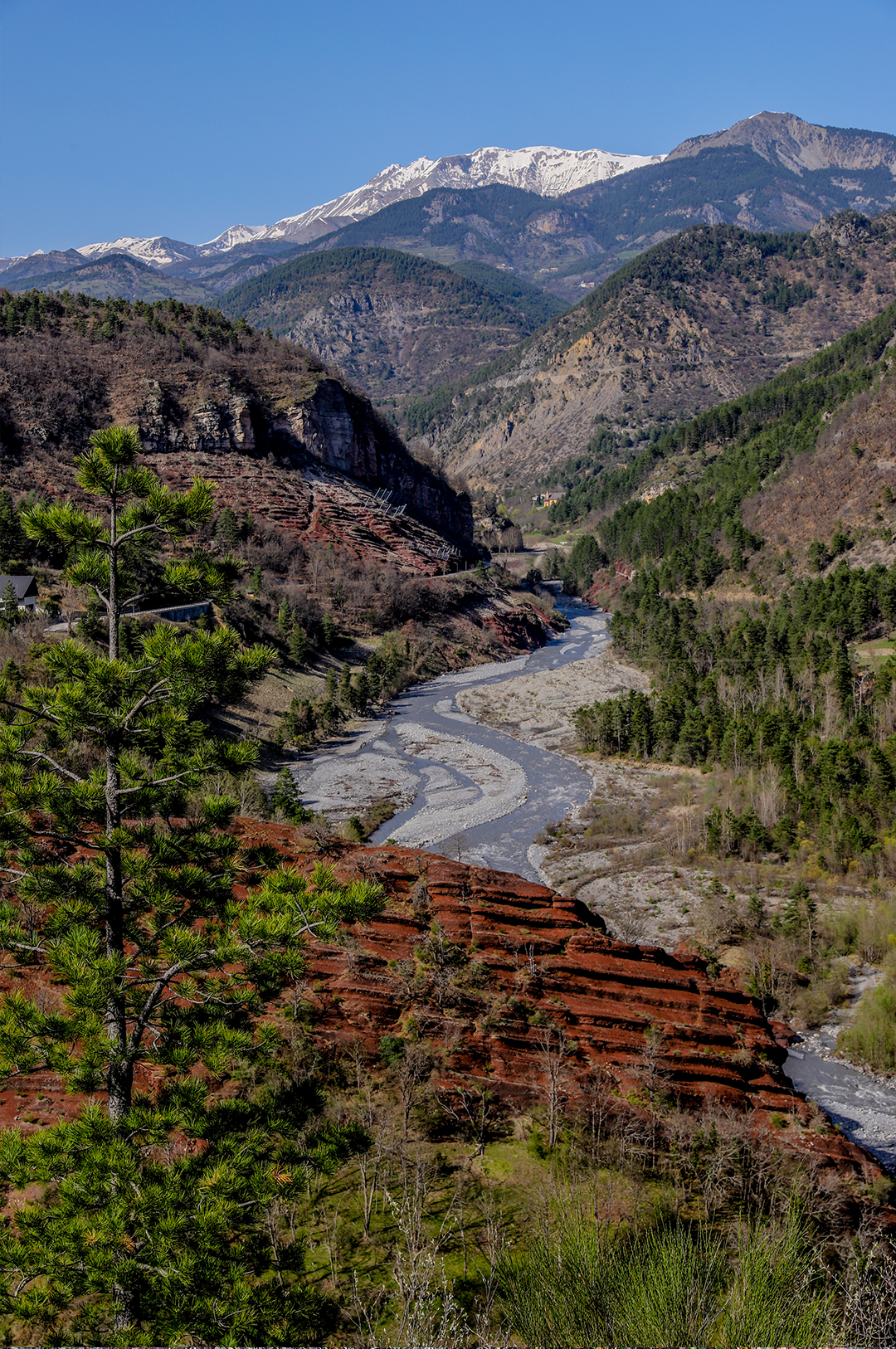
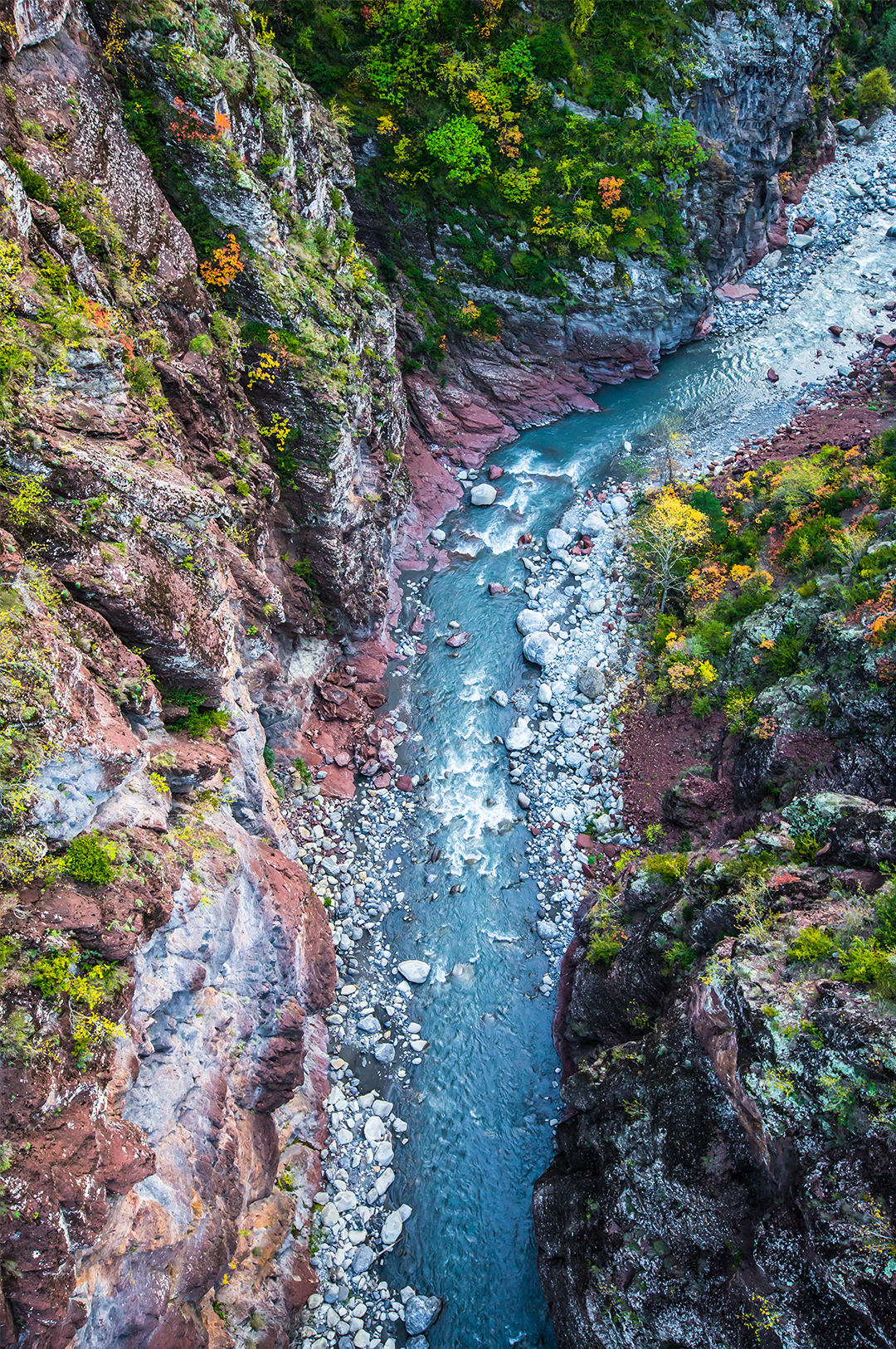
The gorges were cut by the Var over millions of years into ancient Permian pelite rock, giving the walls their striking burgundy hues. These fine-grained sedimentary layers, coloured by iron oxides, contrast sharply with the white limestone and quartzite above, revealing geological epochs in vivid colours
Towering cliffs soar up to 300 m above the river and, at the canyon’s base, the Var flows as a fierce, braided torrent — a reminder of the raw forces that shaped this place.
Ecological Richness Between Two Worlds
The reserve lies at the intersection of Mediterranean and alpine climates. Warm, sun-baked slopes support heat-tolerant scrub and rock-dwelling plants, while cooler, shaded niches and higher elevations allow species typical of more northerly mountains to persist.
This meeting of worlds gives rise to biological diversity rare for the region:
Plant and Mineral Diversity
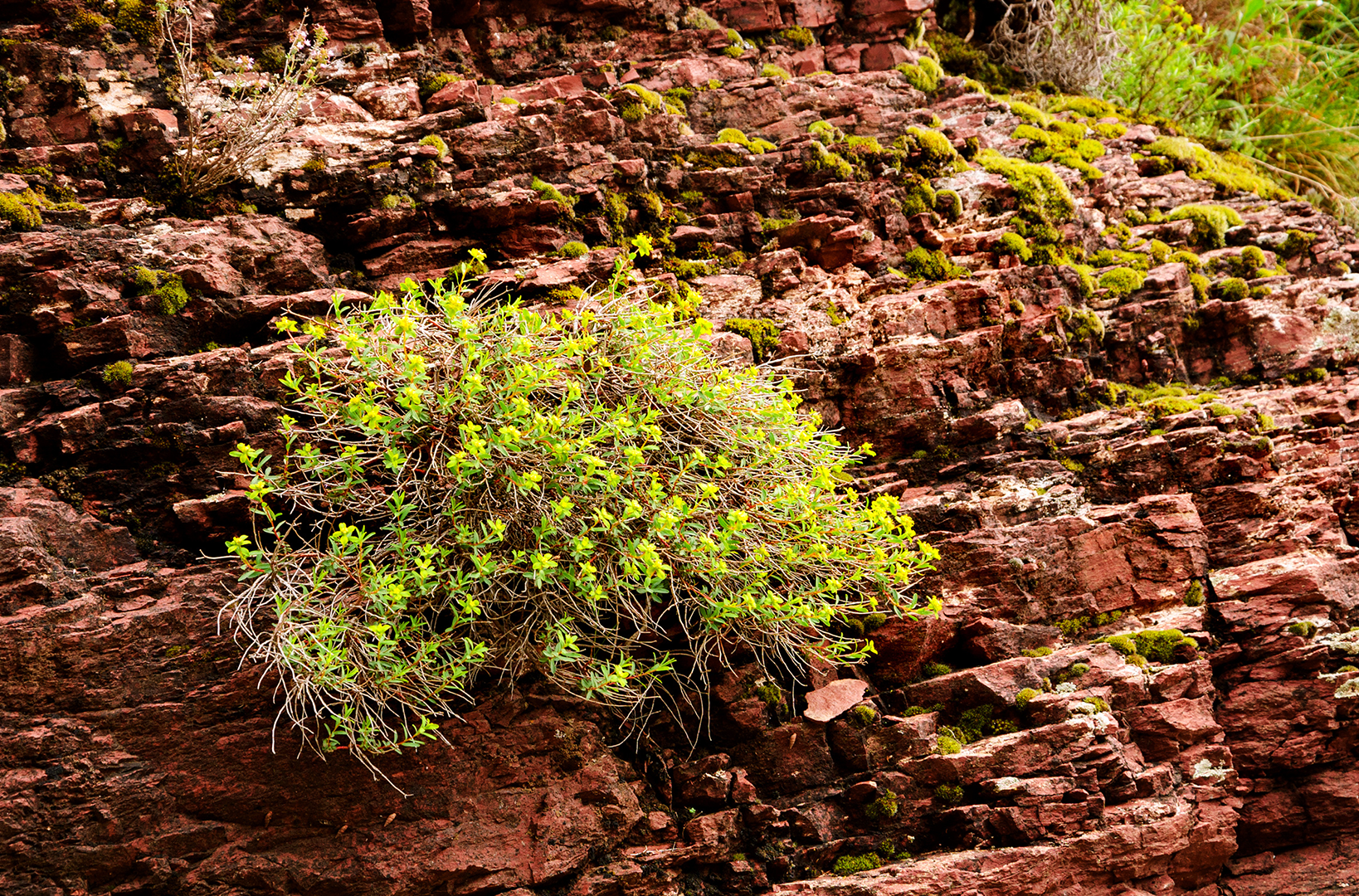
- The cliff walls and ledges support specialised vegetation adapted to poor, friable soils and vertical exposure.
- Over 70 mineral species — including rare Barrotite and Gilmarite, first identified here — have been documented in the gorges’ rock galleries.
Wildlife Highlights
Raptors and Rock Birds
- The sheer rock faces are nesting territory for species like peregrine falcon and other birds associated with vertical cliff habitats.
Mammals and Large Fauna
- Species more typical of alpine zones such as chamois also move through the gorges, sharing this dramatic space with more Mediterranean fauna.
Reptiles, Amphibians & Invertebrates
- The gorges host remarkable endemic and range-limited species, including two rock-dwelling snails — Maillot des pélites and Marbré des pélites — that are emblematic of the site.
- The small amphibian Speleomantes strinatii (French cave salamander) occurs here and nearby regions thanks to cool moist microhabitats.
Birdlife
Wallcreeper and rock partridge are among the notable species associated with the cliffs.
Where Nature, History and Culture Converge
This reserve is not only a geological and biodiversity treasure but also a living cultural landscape:
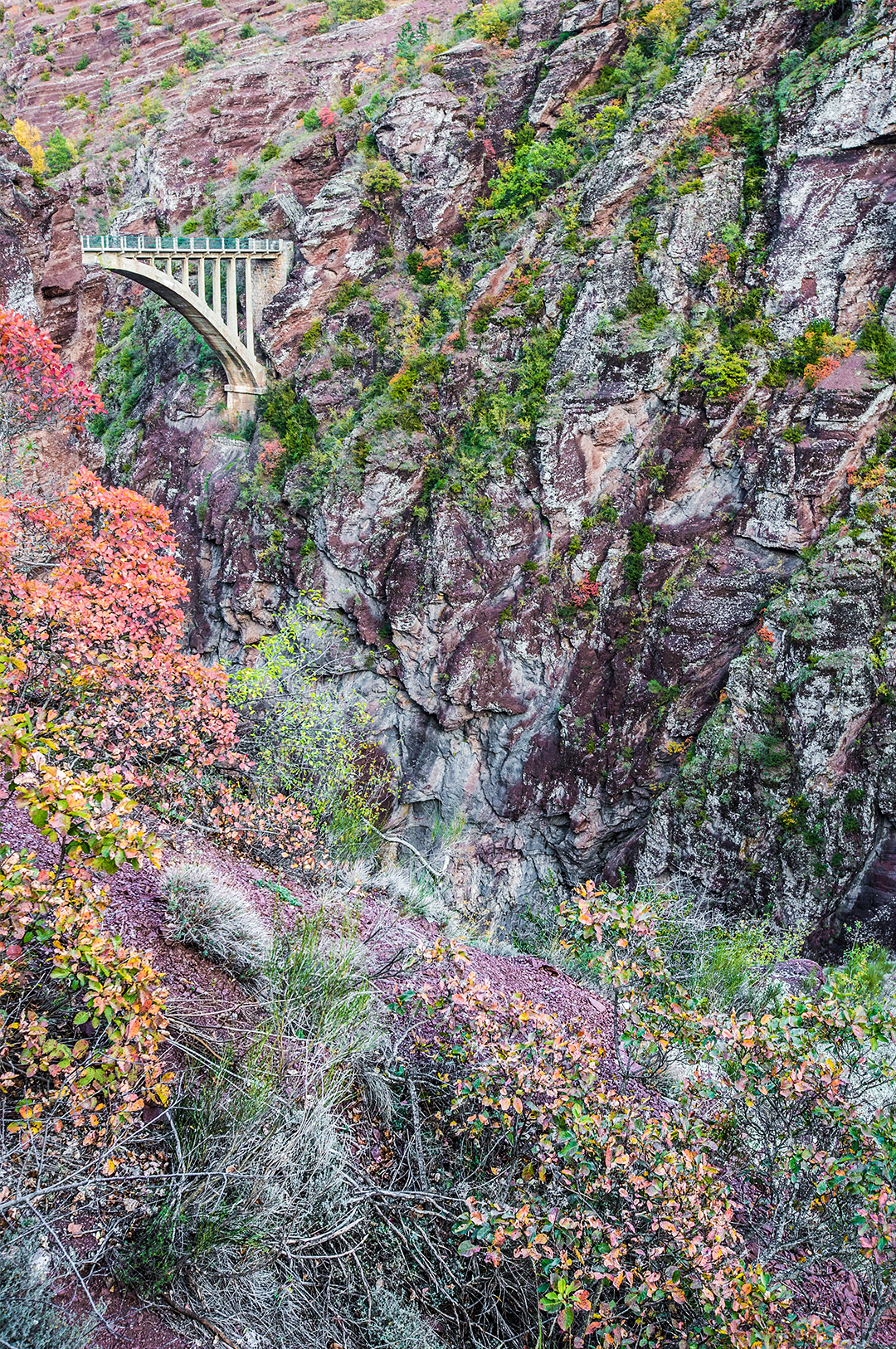
- The Route des Grandes Alpes threads its way through the gorges on the trace of historic tramways and mountain paths, linking natural heritage with human history.
- Ancient mining galleries reflect long-ago exploitation of copper and other minerals, leaving a human imprint on the deep gorges.
- Traditional pastoralism, abandoned terraces and forgotten hamlets tell a story of rural life shaped by these steep slopes.
Why This Reserve Matters
Rare geology meets rare ecology. The Gorges de Daluis represent a highly specialised ecosystem that cannot be replicated elsewhere:
- A distinct geodiversity with its red pelite canyons and fossilised features rarely visible in France.
- A biodiversity crossroads where Mediterranean and alpine species overlap and find refuge.
- Endemics and range-limited fauna that depend on the vertical, nutrient-poor landscape.
- A cultural backdrop that enriches natural values and invites exploration with respect.
This reserve reminds us that biodiversity is not only about abundance, but about unique combinations of life shaped by geology and climate.
Exploring the Gorges
The Gorges de Daluis reward slower exploration:
- Belvédère du Point Sublime offers breathtaking views over the red canyon.
- Walking routes and guided discovery trails invite deeper engagement with geology, ecology and heritage.
- Observation opportunities include raptors on cliffs, endemic snails in rock fissures, and dramatic river scenes.
Respect for fragile rock faces, endemic species habitats and seasonal flows enhances both experience and conservation outcomes.
In Summary
The Gorges de Daluis Regional Nature Reserve is not just a spectacular landscape — it is a zone of ecological convergence where rarity, resilience and geological splendour combine:
- Red pelite canyons sculpted by the Var
- A biodiversity mosaic at the Mediterranean–alpine junction
- Endemic species that embody the reserve’s uniqueness
- A living landscape where nature and culture intersect
Here, every turn in the gorge reveals a new chapter in the region’s deep natural history.