


Regional Mammals
Mammals are often the quiet presence of Provence–Alpes–Côte d’Azur, rarely obvious, frequently unseen, yet deeply woven into the rhythms of the region. To notice them is to slow down: to read tracks in dust and snow, to catch movement at dawn or dusk, or to sense life just beyond the edge of visibility.
Across the region, mammals occupy every layer of the landscape, from riverbanks and farmland margins to Mediterranean scrub, forested slopes and high mountain plateaux. Many are resilient species living alongside people; others persist only where disturbance is low and ecological balance remains intact. Encounters are usually brief, sometimes indirect, but always rewarding.

Why Mammals Matter in PACA
Many mammals move over large areas in search of food, mates or seasonal resources. In doing so, they link habitats, transport nutrients and contribute to the natural connectivity of the landscape.
Fragmented habitats and barriers such as roads and urban areas disrupt these movements, reducing genetic diversity and increasing mortality.
Species by Habitat
This page focuses on mammals that attentive visitors may realistically encounter, while also drawing attention to species that are present but often overlooked and the role they play. It is not about guarantees or spectacle, but about awareness, patience, understanding and the quiet satisfaction of recognising life that most people pass without noticing.
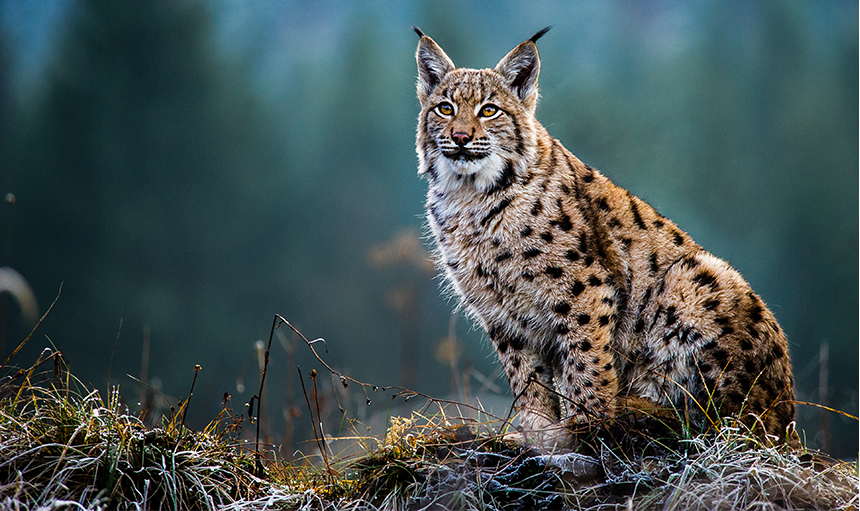
Apex Predators and Ecological Balance
Large carnivores sit at the top of the food web and exert a powerful influence on ecosystems. By regulating prey populations and altering animal behaviour, they help prevent overgrazing, maintain vegetation structure and support biodiversity at multiple levels.
Even where apex predators are scarce or elusive, their presence or absence shapes the behaviour and distribution of other species. Healthy ecosystems tend to be those where natural predation processes are still functioning.
Associated species:
- Grey Wolf
- Eurasian Lynx
- Wildcat
- Red Fox
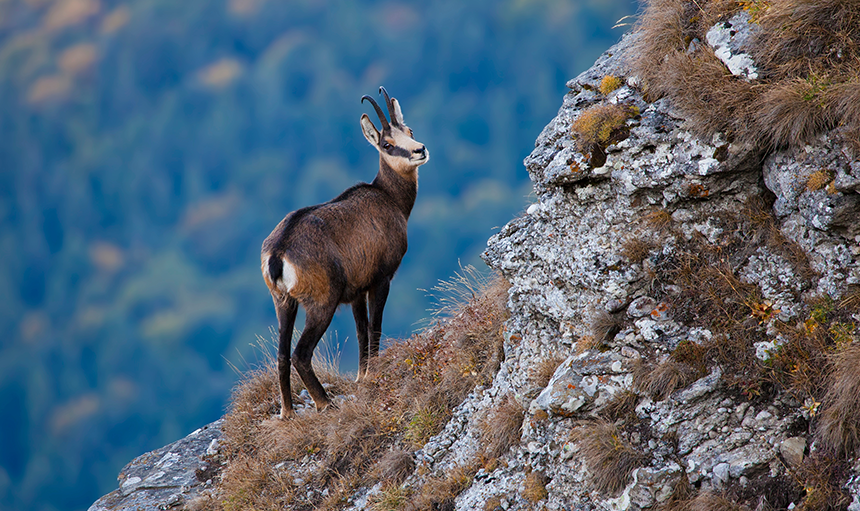
Herbivores and Landscape Structure
Large and medium-sized herbivores play a key role in shaping vegetation. Through grazing, browsing and movement, they influence plant composition, maintain open habitats and create structural diversity within forests and grasslands.
These processes support a wide range of other wildlife, including insects, birds and reptiles that depend on varied vegetation heights and open ground.
Associated species:
- Red Deer
- Roe Deer
- Ibex
- Chamois
- Wild Boar
- Beaver
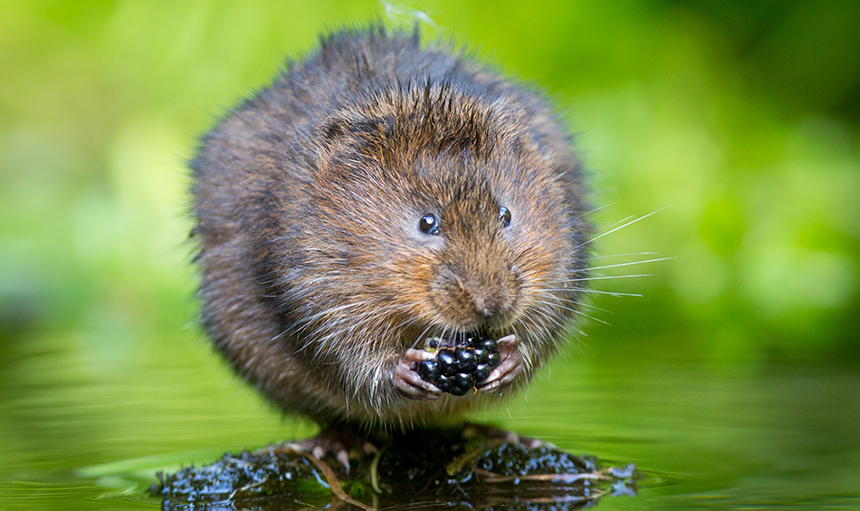
Small Mammals: The Hidden Workforce
Small mammals such as rodents and insectivores are among the most numerous and influential mammals in the region. Though rarely seen, they perform vital ecological functions:
- Dispersing seeds and fungi
- Aerating and enriching soils through burrowing
- Regulating invertebrate populations
- Providing a critical food source for predators
Their populations respond quickly to environmental change, making them important indicators of ecosystem health.
Associated species:
- Water Vole
- Greater Horseshoe Bat
- Red Squirrel
- Greater White-toothed Shrew
Mammals as Connectors of the Landscape
Many mammals move over large areas in search of food, mates or seasonal resources. In doing so, they link habitats, transport nutrients and contribute to the natural connectivity of the landscape.
Fragmented habitats and barriers such as roads and urban areas disrupt these movements, reducing genetic diversity and increasing mortality.
Why Mammals Matter to People
Mammals are often the wildlife people connect with most strongly. Encounters, whether fleeting or dramatic, shape how we perceive and value the natural world. Beyond this cultural importance, mammals contribute to ecosystem services that benefit people directly, from soil health to forest regeneration.
Protecting mammals therefore supports not only biodiversity, but the long-term resilience of the landscapes people live in and visit.
A Shared Responsibility
The future of mammals in Provence–Alpes–Côte d’Azur depends on healthy, connected habitats and coexistence between people and wildlife. Conserving mammals means protecting the full range of species, not only the rare or iconic, but also the small and often overlooked animals that quietly sustain the system.