


Pelagos-Marine Mammal Sanctuary
Pelagos-Marine Mammal Sanctuary
A marine area of 87,500 sq km subject to an agreement between Italy, Monaco and France for the protection of the marine mammals that live in it. A rough estimate lists more than 8,500 macroscopic animal species representing between 4 % and 18 % of global marine species, a remarkable biodiversity, particularly with regard to the number of predators at the top of the food chain such as marine mammals, since Mediterranean represents only 0.82 % of the area and 0.32 % of the volume of the world’s oceans.
Overview
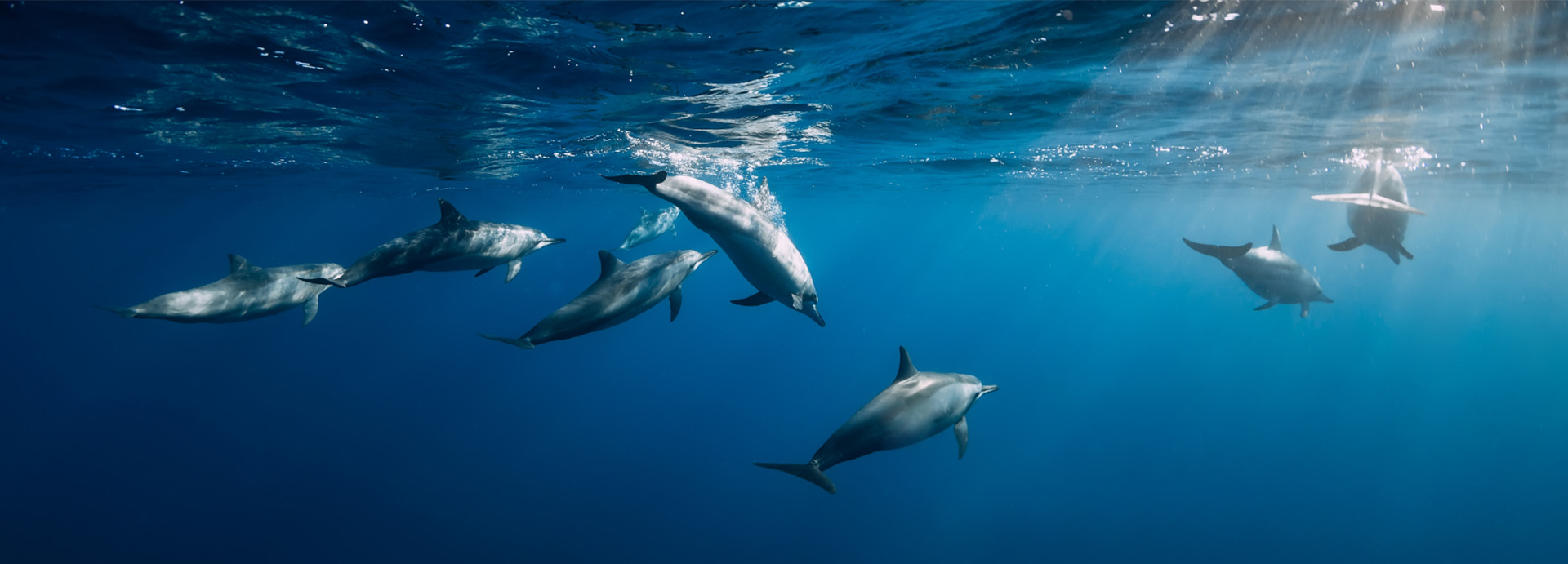
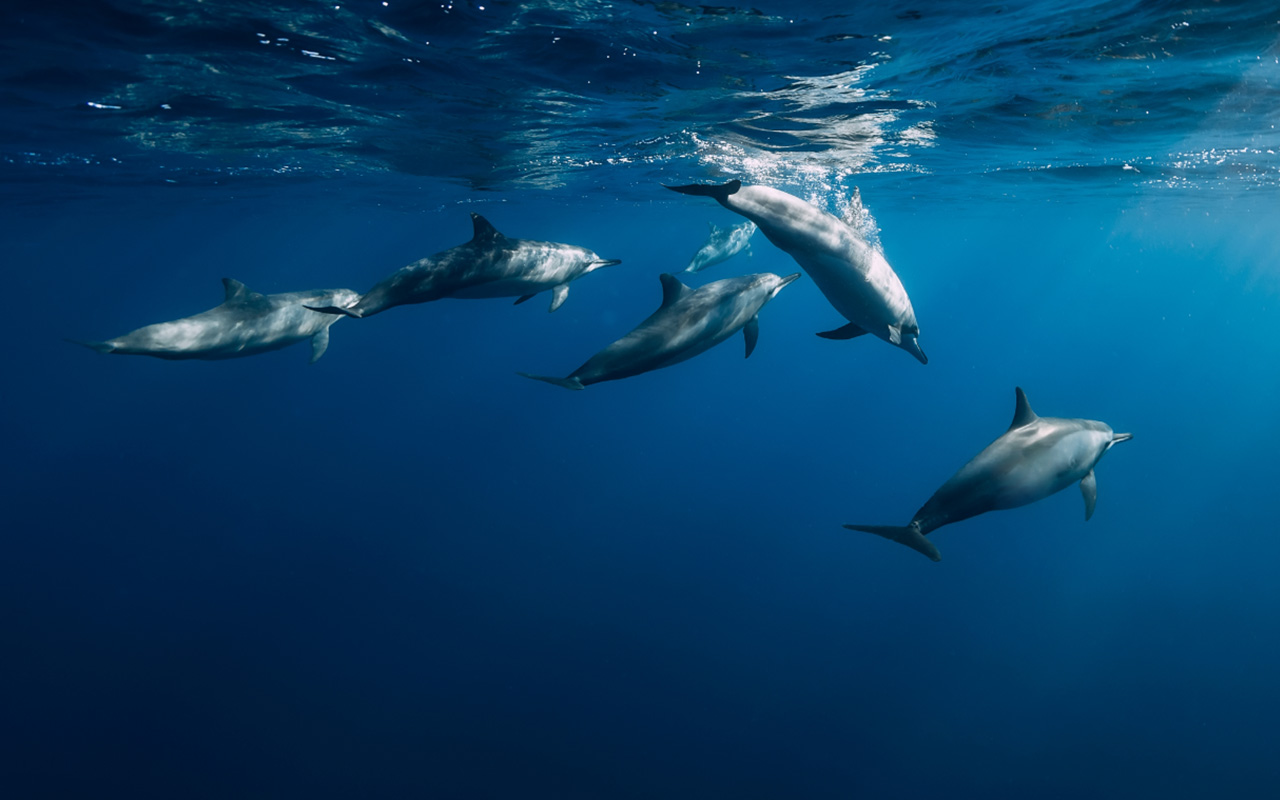
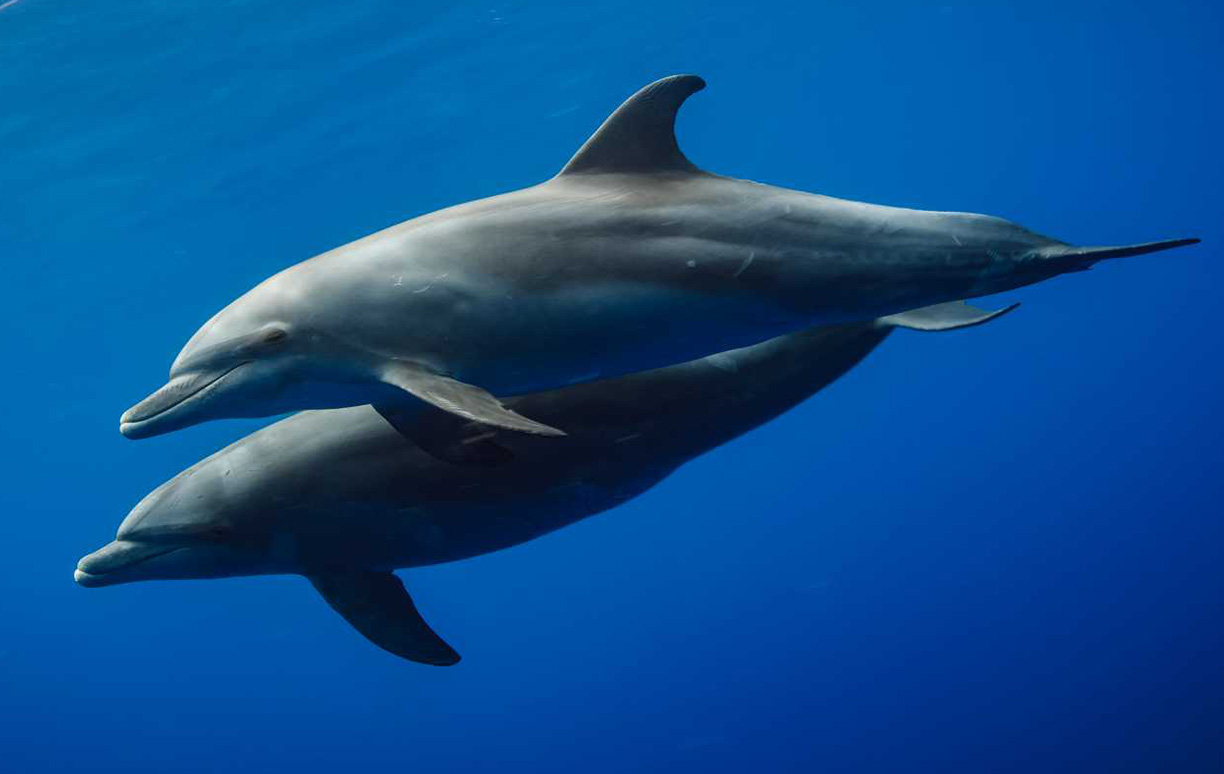
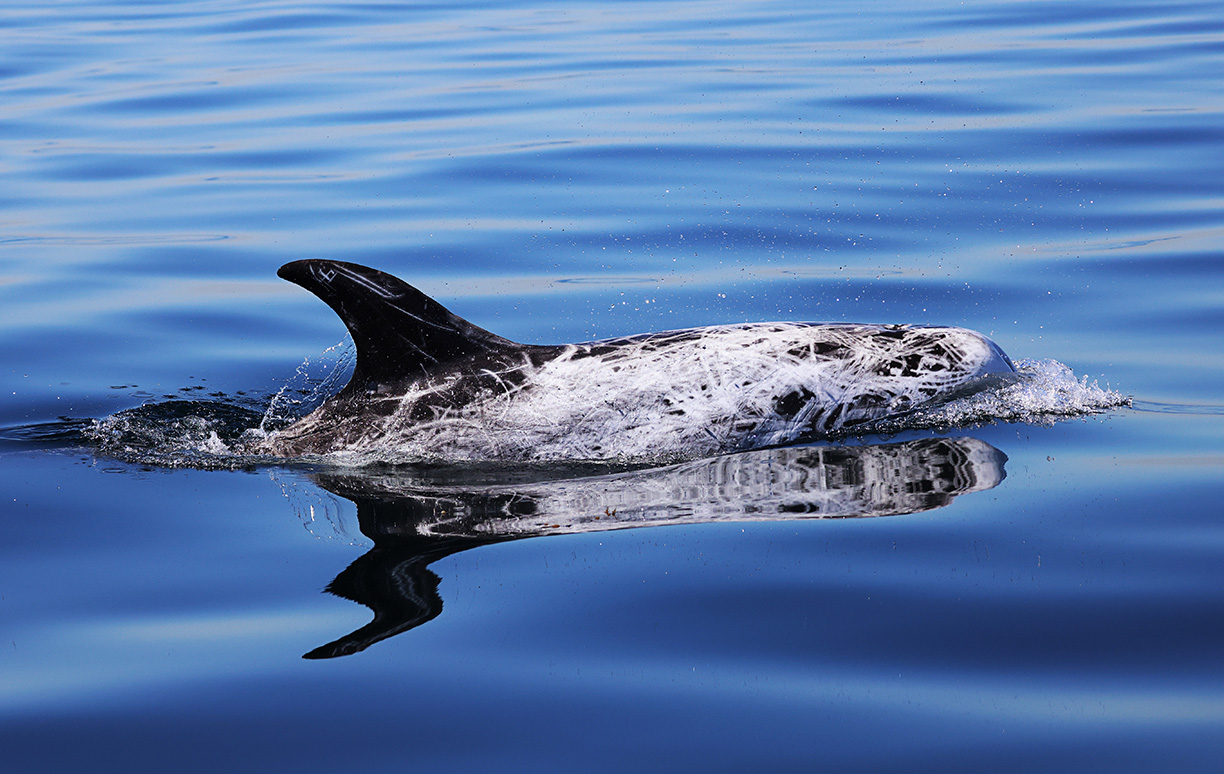
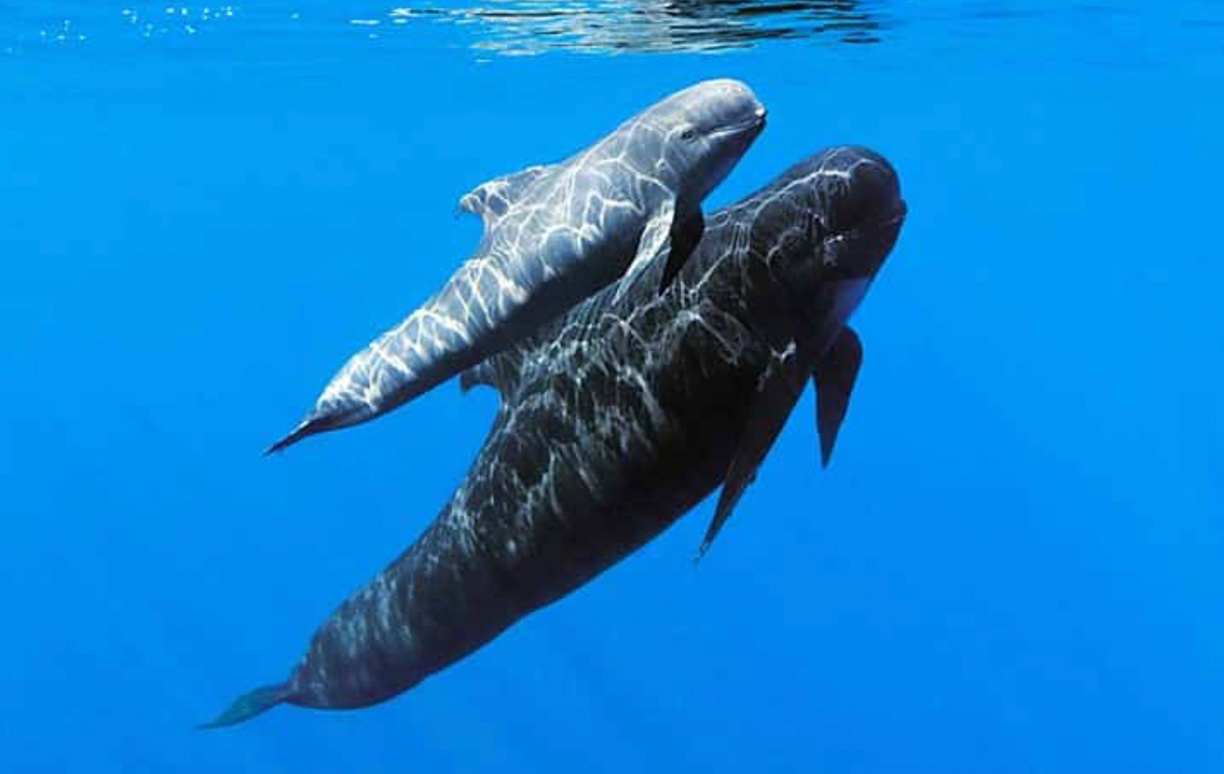
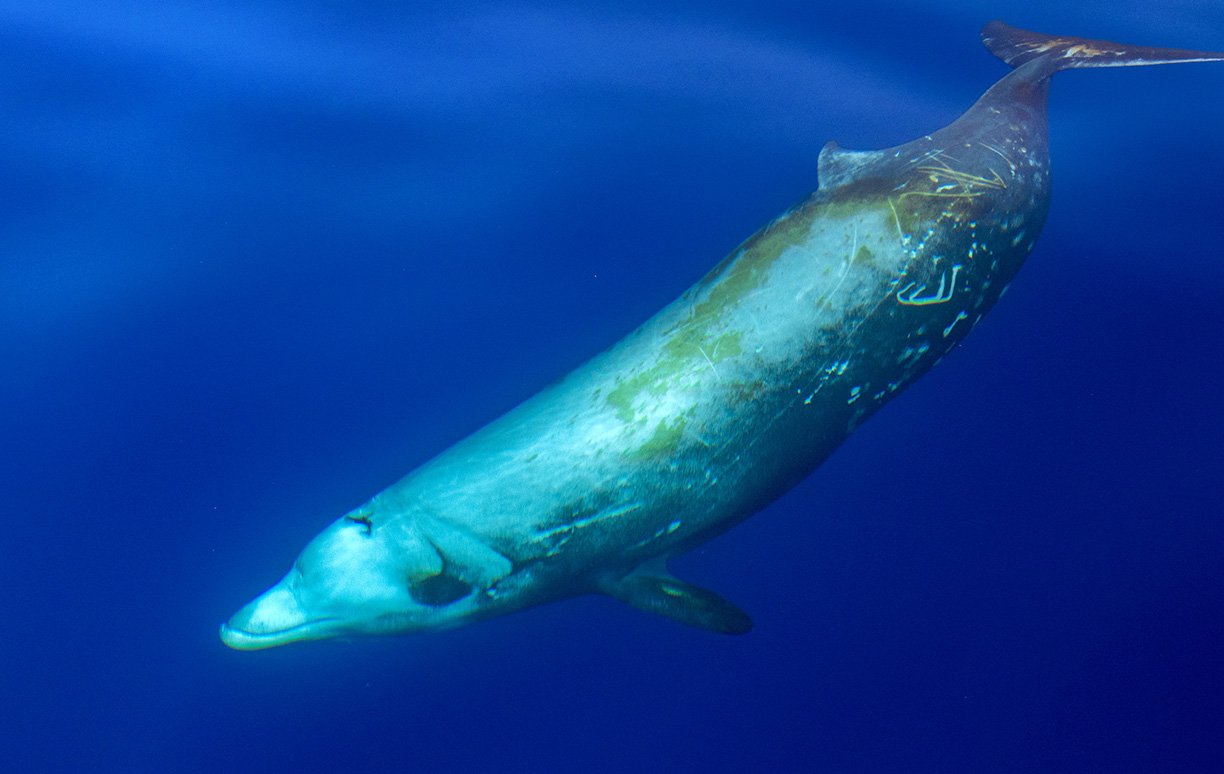
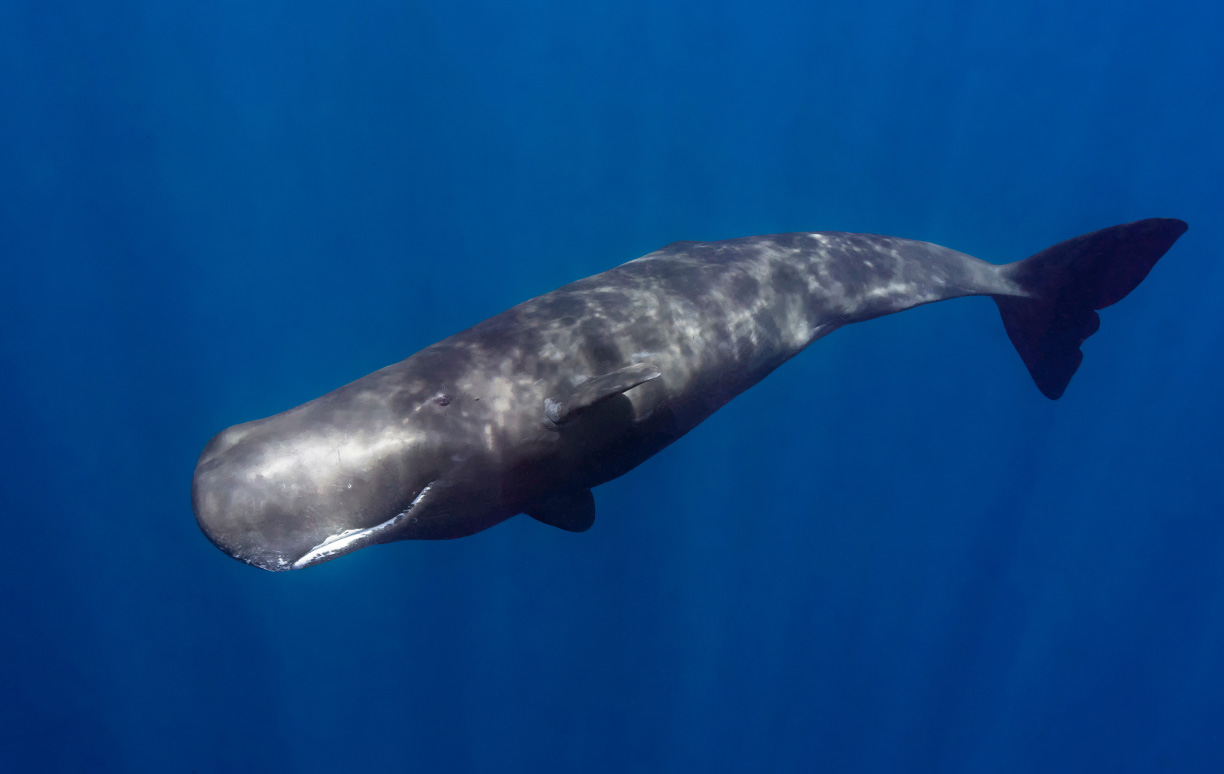
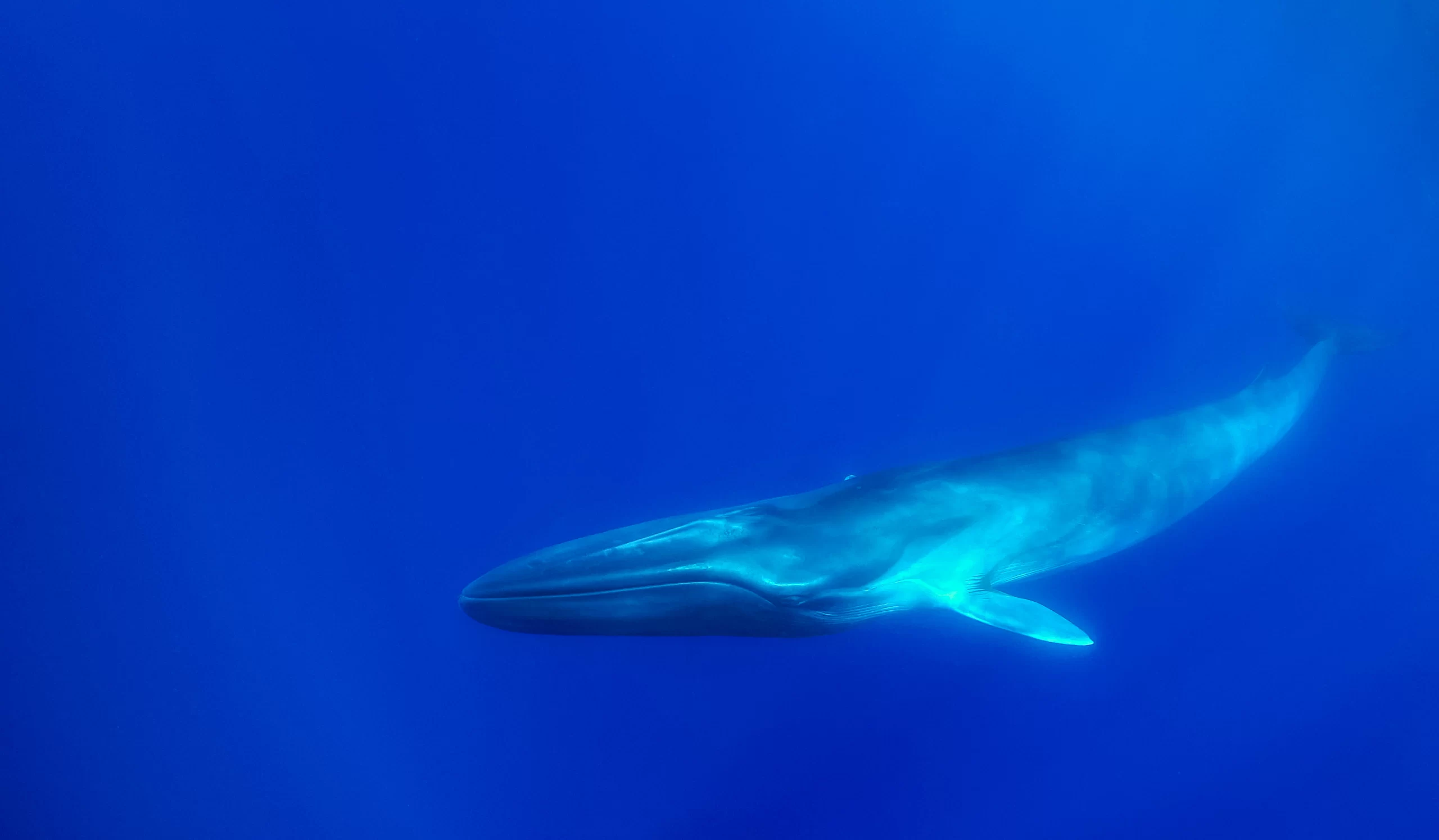
8 species of whales and dolphins live in the Sanctuary on a regular basis and the monk seal can be spotted very occasionally. The marine mammals of the Sanctuary have their particular lifestyle and habits and socially interact in different ways
Marine Reptiles and Large Pelagic Species
The Pelagos Sanctuary protects one of the most ecologically important stretches of open sea in the Mediterranean, where deep pelagic waters meet continental shelf systems. While best known for its cetaceans, these waters also support a wider cast of large, mobile marine species that underline the Sanctuary’s role as a functioning offshore ecosystem.
Sea Turtles — Ancient Navigators
The Sanctuary’s pelagic waters support several species of marine turtle, all of which are part of broader Mediterranean life cycles rather than local breeders:
- Loggerhead Turtle (Caretta caretta) — the most commonly encountered turtle in Pelagos, seen gliding near the surface and feeding on jellyfish, crustaceans and other prey. Its presence reflects the Sanctuary’s role as a foraging and migratory corridor.
- Green Turtle (Chelonia mydas) — rarer and usually transient, green turtles move between feeding areas and deeper waters, linking Pelagos to distant seagrass meadows.
- Leatherback Turtle (Dermochelys coriacea) — an exceptional visitor. The largest living turtle species occasionally enters the Mediterranean to feed on jellyfish aggregations, demonstrating the vast connectivity of these seas.
Large Pelagic Fish and Rays
Ocean Oddities – Among the most unexpected encounters in Pelagos waters is the ocean sunfish (Mola mola), the world’s heaviest bony fish. Often seen basking at the surface, sunfish are a visible reminder of the productivity of offshore waters and the complex food webs supported by plankton blooms and jellyfish populations.
Pelagos also lies within the range of mobulid rays – pelagic dancers, including devil rays (Mobula mobular), which occasionally pass through offshore waters. These elegant filter feeders, like the sunfish, are closely tied to plankton-rich systems and are particularly vulnerable to bycatch, making protected areas such as Pelagos critically important.
Sharks – Rare but Ecologically Significant
Sharks are not commonly observed within the Sanctuary, and most naturalist trips will never encounter one. However, scientific records confirm that Pelagos waters are connected to the wider Mediterranean pelagic system, where large sharks still occur at very low densities.
The basking shark (Cetorhinus maximus), a plankton-feeding giant, is a rare seasonal visitor to the western Mediterranean. Sightings are infrequent and unpredictable, which explains their absence from most day-to-day observations, yet their documented presence highlights the historical richness of these offshore ecosystems.
Occasional records of other large sharks, including great white sharks (Carcharodon carcharias), exist elsewhere in the western Mediterranean. These are best understood as exceptional, transient events rather than indicators of resident populations.
A Connected Pelagic Ecosystem
Together, marine reptiles, large fish, rays and the occasional shark underline an essential truth: Pelagos is not an isolated reserve but part of a living, connected sea. Species move through it according to seasons, food availability and oceanographic conditions, often unseen but ecologically vital.
This is why respectful behaviour at sea matters. Avoiding disturbance, preventing pollution, maintaining vessels responsibly and leaving nothing behind helps ensure that these rare and remarkable encounters remain possible — even if they are never guaranteed.