


Regional Reptiles
Reptiles are a defining element of Mediterranean biodiversity and Provence–Alpes–Côte d’Azur is one of the richest regions in France for this group. The combination of warm coastal zones, dry limestone landscapes, extensive scrub, river systems and alpine valleys supports an exceptional diversity of species.
In total, 41 reptile species are documented in the region, ranging from familiar lizards and snakes to highly localised mountain specialists and occasional marine visitors. Many are secretive, seasonal or strongly habitat-specific, meaning that even common species can remain unseen without careful observation.
For visitors, reptiles offer some of the most rewarding wildlife encounters in PACA, often unexpected, often fleeting but always tied to the landscape’s character.

Why Reptiles Matter in PACA
Reptiles are well adapted to the region’s climate extremes and play an important ecological role as:
- Predators of insects, rodents and other small vertebrates
- Prey for birds of prey and mammals
- Indicators of habitat quality, connectivity and thermal balance
Because reptiles depend heavily on temperature, shelter and undisturbed ground, they are particularly sensitive to land-use change, fire regimes and human disturbance.
Species by Habitat
The following overview groups reptiles by their typical environments. Many species occur across several habitat types and absence of sightings does not indicate absence of populations.
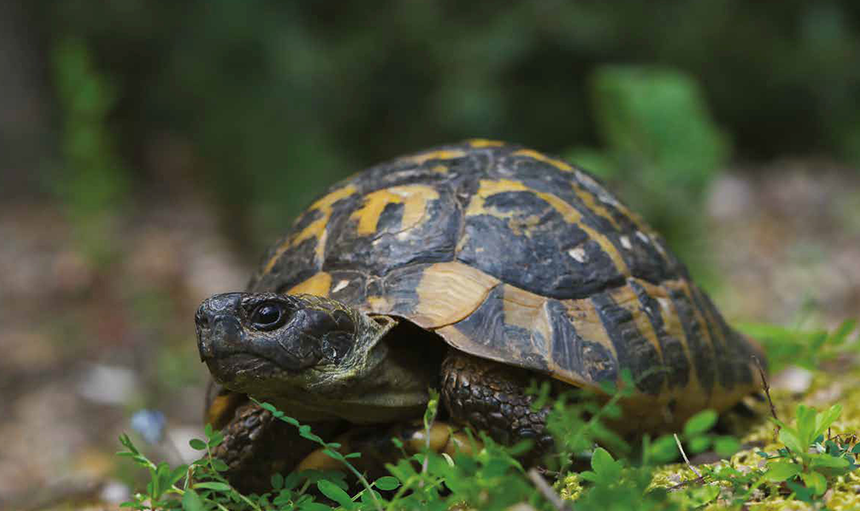
Mediterranean Scrub, Garrigue & Open Woodland
Sun-exposed landscapes with stone cover, shrubs and open woodland support the greatest diversity of reptiles in the region.
These environments provide:
- Basking sites
- Refuge from predators
- Rich prey availability
They are particularly sensitive to disturbance during spring and early summer when reptiles are breeding or moulting.
Key species:
- Hermann’s Tortoise – Var only
- Ocellated Lizard
- Western Green Lizard
- Edwards’ Psammodromus
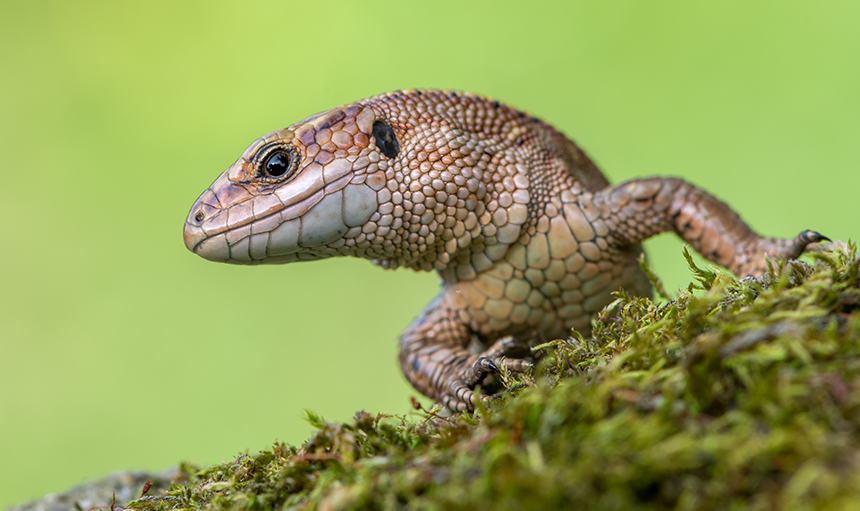
Rocky Slopes, Cliffs & Karst Landscapes
Limestone escarpments, scree slopes and dry stone structures offer essential shelter and thermal stability.
Rock systems function as:
- Overwintering refuges
- Breeding areas
- Movement corridors
Artificial structures often play an important substitute role where natural rock is limited.
Key species:
- Viviparous Lizard
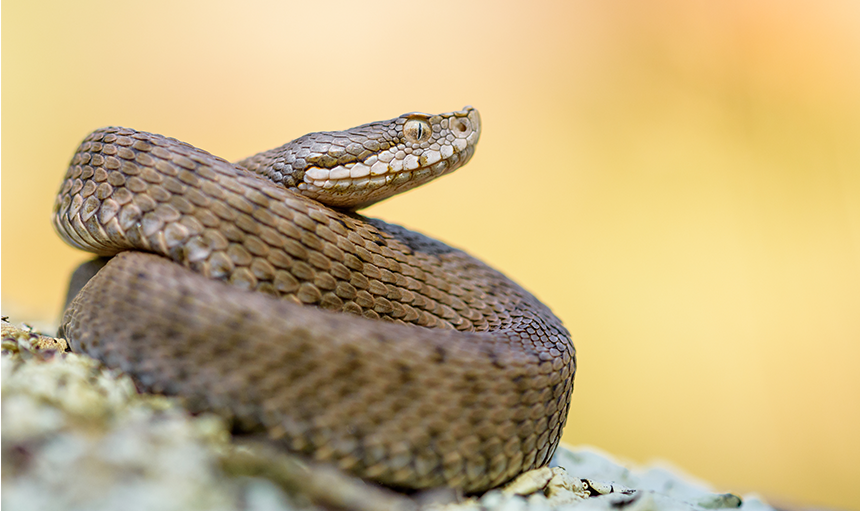
- Asp Viper
- Orsini’s Viper
- Adder (historically once present, now considered regionally extinct) *
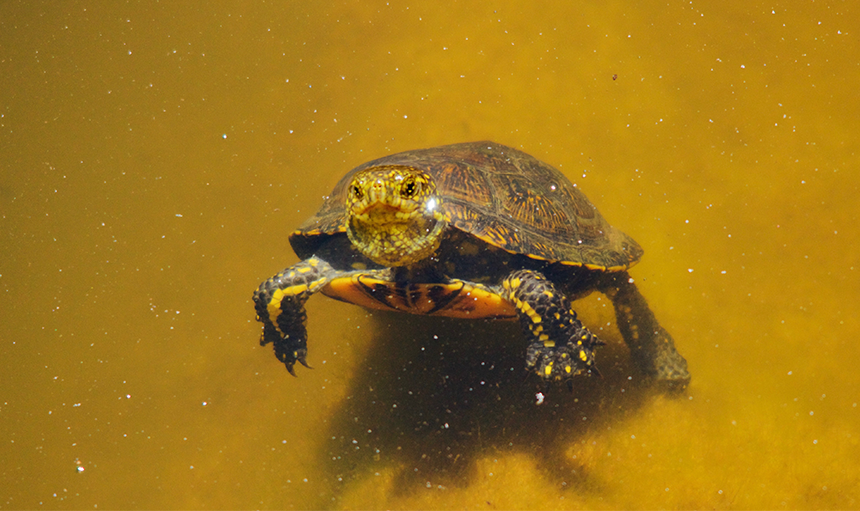
Wetlands, Rivers & Riparian Zones
Although reptiles are less water-dependent than amphibians, several species rely on wetlands and slow-moving water bodies for feeding, thermoregulation and reproduction.
Healthy, undisturbed banks and aquatic vegetation are critical to their survival.
Key species:
- European Pond Turtle
- Grass Snake
- Viperine Snake
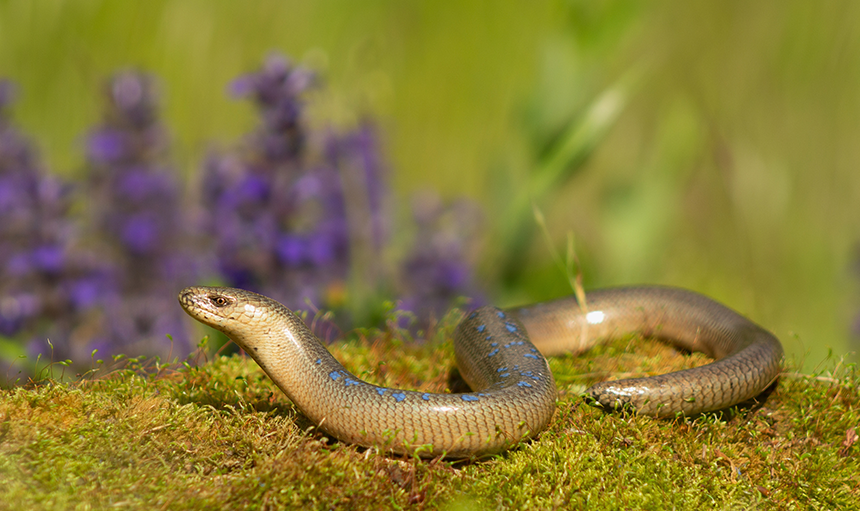
Forests, Hedgerows & Mosaic Landscapes
Mixed landscapes combining woodland, agriculture and traditional land use support reptiles that depend on cover, structural diversity and seasonal movement routes.
These environments are particularly vulnerable to fragmentation and road mortality.
Key species:
- Aesculapian Snake
- Smooth Snake
- Common Slow Worm
- Italian Slow Worm
Alpine & Subalpine Zones
Higher elevations support fewer reptile species, but those present are often highly specialised and regionally important.
Short activity seasons and climatic sensitivity make these populations especially vulnerable to environmental change.
Key species:
- Viviparous Lizard
- Asp Viper
Marine Reptiles
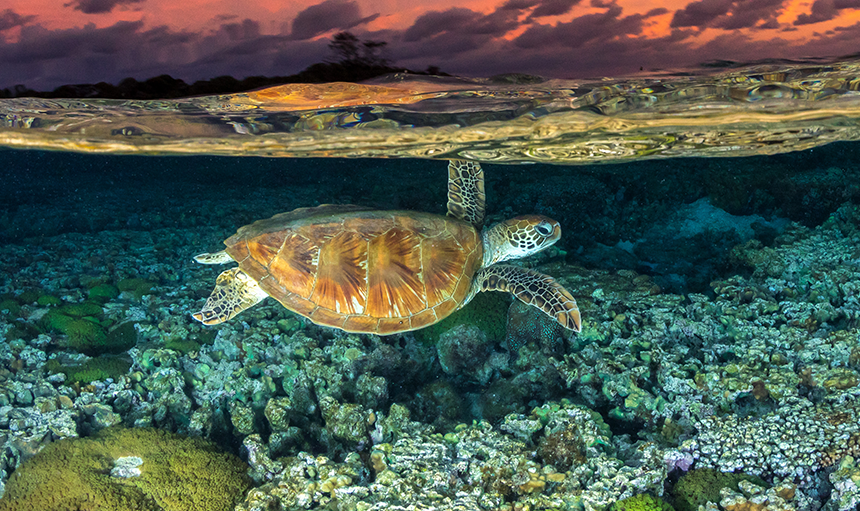
Reptiles in PACA can also be dicovered offshore, as marine turtles are occasional visitors to our coastal waters.
The Loggerhead Turtle is the most frequently recorded marine reptile along the Mediterranean coast. Sightings are irregular and usually offshore.
For a broader and properly contextualised overview of marine reptiles and pelagic species, visitors are encouraged to explore the Pelagos Sanctuary pages and associated coastal content, including offshore waters and areas such as the Calanques.
Introduced & Invasive Reptile Species
While Provence–Alpes–Côte d’Azur supports a rich native reptile fauna, not all reptiles encountered in the region belong here.
A small but growing number of non-native reptiles have been recorded in the wild as a result of intentional release or escape from captivity. These introductions are almost always human-caused and can have serious, long-term ecological consequences.
Why This Matters
Introduced reptiles may:
- Compete with native species for food and shelter
- Prey on vulnerable amphibians, reptiles and birds
- Introduce parasites or diseases
- Disrupt fragile, slow-recovering ecosystems
Once established, non-native species are extremely difficult and often impossible to remove.
Conservation Context
Several reptile species in PACA are protected, declining or highly localised. Key pressures include habitat loss, road mortality, disturbance, fire regime changes and climate stress.
Reptiles often persist outside protected areas, making landscape connectivity and responsible behaviour essential to their survival.
Conservation depends as much on informed visitors and residents as it does on formal protection.
Reptiles in the Wider Landscape
Reptiles are part of everyday landscapes stone walls, field margins, riverbanks, scrub and woodland edges. Their presence often reflects long-term ecological continuity rather than wilderness alone.
Learning to recognise where reptiles live, when they are active and how easily they are disturbed helps reveal a quieter but essential layer of PACA’s biodiversity.