


Réserve Naturelle Régionale de l’Ilon
The Réserve naturelle régionale de l’Ilon protects a compact but ecologically valuable freshwater wetland within a heavily modified lowland landscape. Its importance lies not in size, but in function. L’Ilon is a place where natural hydrological processes are still allowed to operate, creating a diversity of wetland habitats within a very limited area.
This is a reserve defined by water movement and seasonal fluctuation, rather than elevation or relief.
A lowland wetland shaped by water and seasonal change
Landscape and Habitats
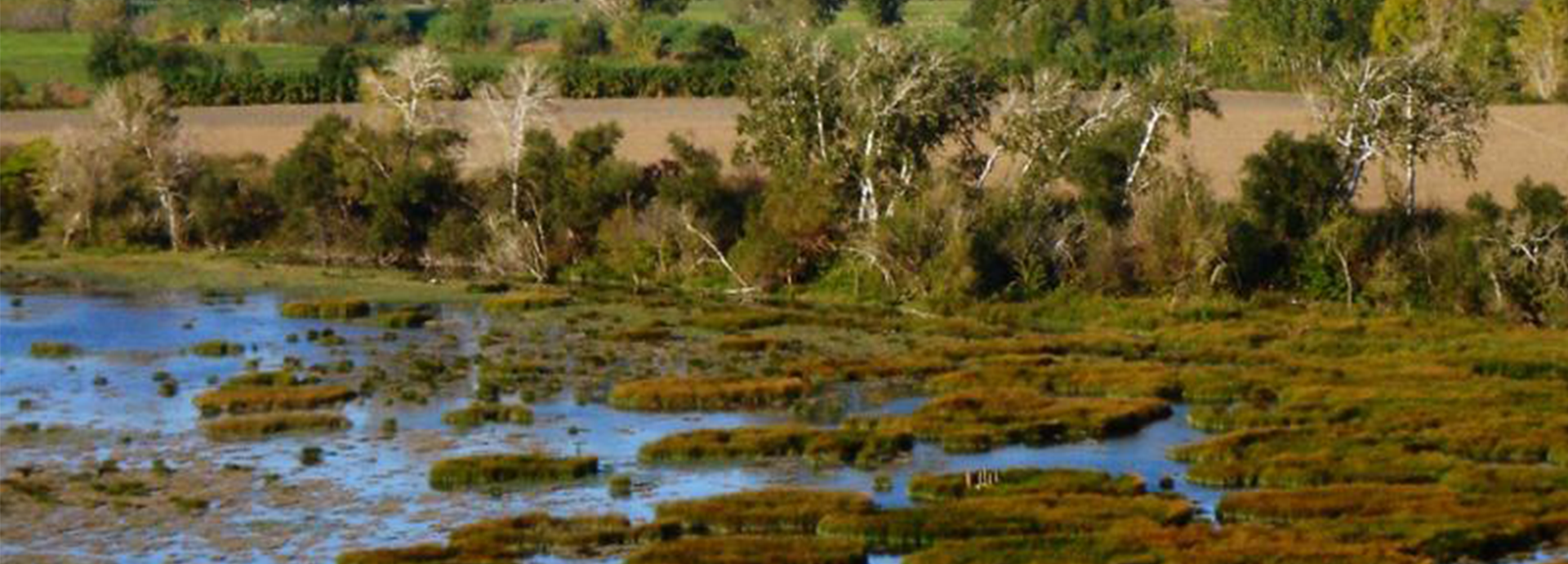
L’Ilon is centred on a permanent and semi-permanent freshwater system, structured by subtle changes in water level through the year. These fluctuations create a mosaic of habitats that would otherwise be absent from the surrounding agricultural and urban environment.
Key habitats include:
- shallow open water
- reedbeds and sedge-dominated margins
- seasonally flooded meadows
- wet woodland edges and transitional scrub
The natural variation in water levels produces changing conditions for feeding, breeding and shelter, supporting a wide range of wetland-dependent species.
Biodiversity Significance
Despite its small footprint, L’Ilon supports a high concentration of species associated with freshwater wetlands, particularly those sensitive to drainage, intensification and habitat fragmentation.
Birds
The reserve is regularly used by birds associated with reedbeds, shallow water and wet meadows.
Ecological roles include:
- breeding and feeding habitat for reedbed and wetland species
- a resting and foraging site for herons and egrets
- seasonal use during spring and autumn migration by wetland-associated passerines and waders
Its value lies in consistency rather than spectacle. Species may be present briefly or discreetly, but the site remains reliable across seasons.
Amphibians
L’Ilon supports amphibians that depend on vegetated, fish-poor freshwater for successful breeding. Such habitats have declined sharply in lowland areas due to drainage, stocking and pollution.
Seasonally flooded areas and shallow margins are particularly important for reproduction and larval development.
Invertebrates
The wetland supports a diverse assemblage of aquatic and semi-aquatic invertebrates, including:
- dragonflies and damselflies
- water beetles
- other insects associated with emergent vegetation
These groups are widely used as indicators of water quality, habitat continuity and ecological stability.
Why L’Ilon Matters
L’Ilon functions as both a local refuge and a regional stepping stone. In a fragmented lowland landscape, even small wetlands play a critical role by:
- supporting breeding populations
- providing stopover habitat during migration
- maintaining ecological connectivity between sites
Its designation as a Regional Nature Reserve reflects both the rarity of functioning wetlands in the area and their vulnerability to disturbance and hydrological change.
Visiting With Care
Because of its limited size, L’Ilon is particularly sensitive. The most important ecological processes often occur out of sight: breeding amphibians, developing larvae and short-term use by migratory birds.
Quiet observation, respect for marked paths and seasonal restrictions are essential. The value of the site lies in function and continuity, not constant visibility.
For those willing to observe patiently, L’Ilon offers insight into how even modest wetlands can retain high ecological importance when water is allowed to behave naturally.