


84 – Vaucluse
84 – Vaucluse
Vaucluse sits at the crossroads of Mediterranean lowlands and upland landscapes, with Mont Ventoux forming a major ecological landmark. The department supports a diverse range of species linked to limestone plateaus, river systems and dry grasslands, reflecting strong gradients in altitude, exposure and climate.
Wild Places
These are listed by order of importance, National, Regional Parks, Reserves and local hotspots that should be of interest to all nature lovers, whether serious listers or casual observers.
Waiting To Be Discovered Are:
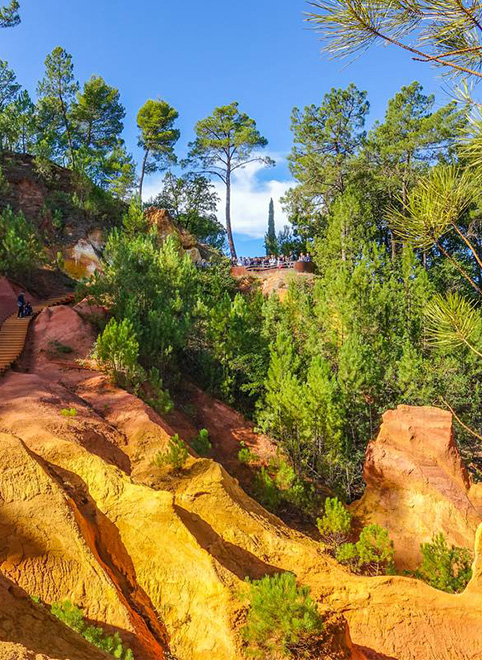
The Luberon Regional Park
The Luberon has exceptional biodiversity: 1,800 species of plants (35% of French flora) including 70 protected by statute, 135 species of birds (50%), 2,300 species of butterflies and moths (40%).
The Luberon has exceptional biodiversity: 1,800 species of plants (35% of French flora) including 70 protected by statute, 135 species of birds (50%), 2,300 species of butterflies and moths (40%).
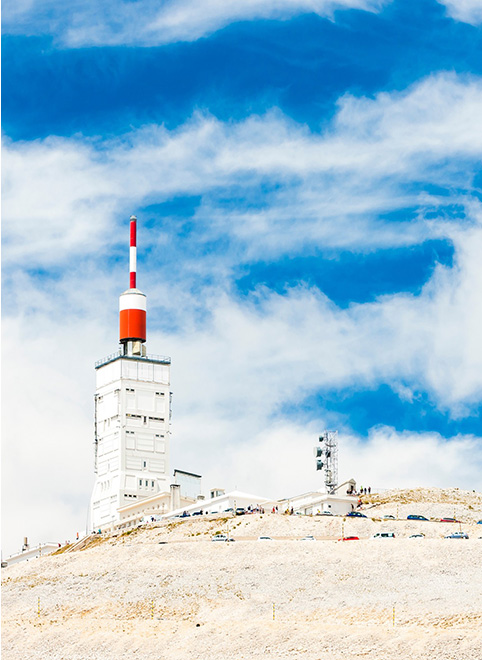
Mont Ventoux Regional Park
Rising into the stratosphere this iconic peak gives a false impression of always being covered in snow. Around the summit the vegetation gives way to a desert of exposed limestone which gives it, (on the south side), its white colour.
Rising into the stratosphere this iconic peak gives a false impression of always being covered in snow. Around the summit the vegetation gives way to a desert of exposed limestone which gives it, (on the south side), its white colour.
Additional Wildlife Hotspots
These sites fall outside formal protected area boundaries but are widely recognised for their ecological significance.
Best Times to Visit
Spring (March–May)
The most productive period for wildlife observation in Vaucluse. Breeding activity increases rapidly across wetlands, river corridors and limestone plateaus, with peak bird song and visible territorial behaviour. Amphibians are active around springs and streams, while reptiles and invertebrates emerge as temperatures rise. Wildflower diversity is at its highest across open habitats.
Early Summer (June)
A strong continuation of spring productivity, particularly during mornings and evenings. Invertebrate diversity is high, reptiles are regularly encountered on warm slopes and rocky ground, and higher elevations such as Mont Ventoux remain favourable. Heat builds quickly in lowland areas, reducing activity during the middle of the day.
Autumn (September–October)
One of the most rewarding periods in the department. Cooler temperatures bring increased mammal activity and renewed movement among birds, including passage migrants following river valleys and ridge lines. Landscapes retain structure and colour, and conditions are well suited to walking and observation.
Winter (December–February)
Quieter but still worthwhile, especially for resident and wintering birds associated with wetlands, rivers and open farmland. Mammal tracks and signs are more easily detected, while higher ground can experience cold conditions and occasional snow. Visitor pressure is low, offering a calmer experience overall.
Field Notes & Responsible Practice
Please refer to our code of conduct page for responsible recording and observation.