Wetland Systems Around Hyères

Hyères sits at the centre of one of the most important wetland systems on the Mediterranean coast. Beyond the well-known salt pans lies a broad mosaic of lagoons, freshwater ponds, marshes, canals and coastal margins that together form a highly productive ecological network.

These natural spaces do not function as isolated reserves. They operate as a connected landscape where water levels, salinity and seasonal change continually reshape conditions. Wildlife moves freely between sites as habitats expand, contract or shift through the year.

For visitors, this means Hyères is not a single stop but a landscape to explore — a series of interlinked locations where each area reveals a different aspect of Mediterranean wetland ecology.

A Coastal Wetland Network of Exceptional Biodiversity
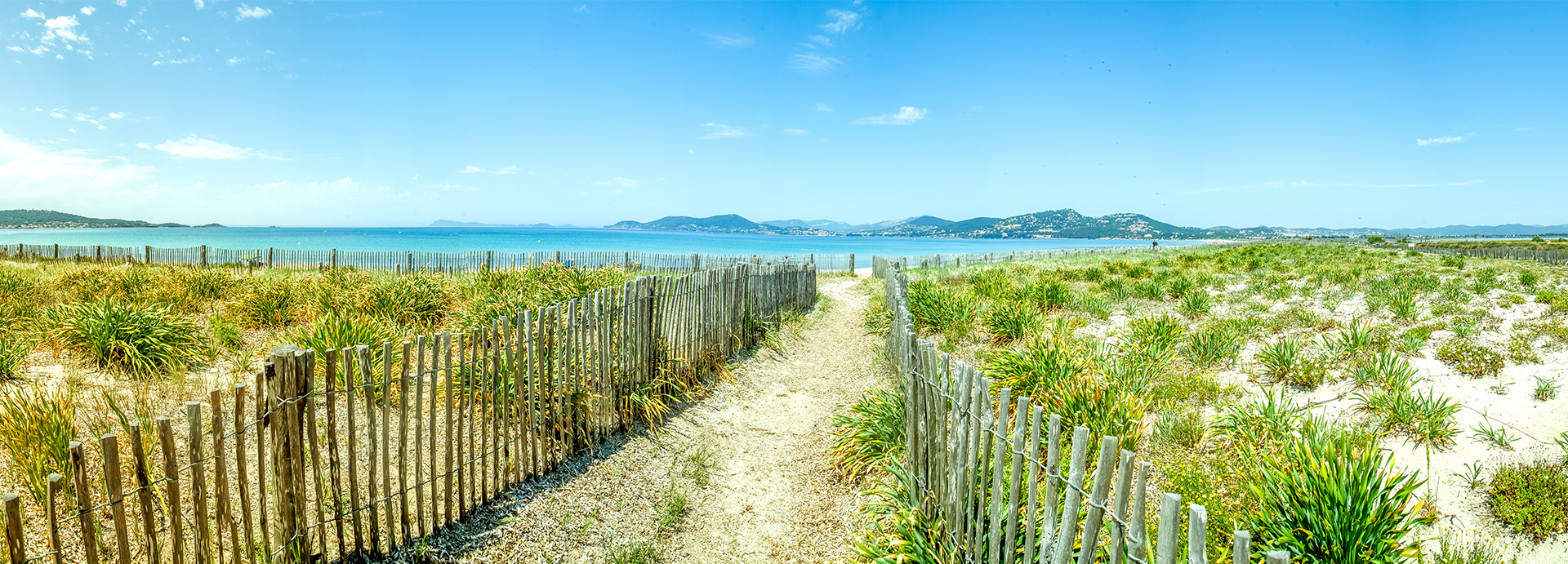
A Landscape Shaped by Water

Freshwater, brackish lagoons and hypersaline basins exist side by side across the Hyères plain — a rare continuity along the Provençal coastline. Historic salt production, low-lying terrain and active water management have created wetlands that remain productive throughout the year, even during the quieter winter months.

This constant presence of water explains the area’s importance for:

  • Migratory birds moving along the Mediterranean corridor
  • Wintering waterfowl and waders
  • Breeding wetland species
  • Amphibians, reptiles and insect life dependent on stable wet habitats

Few coastal areas in Provence-Alpes-Côte d’Azur offer this level of consistency across all seasons.

A Connected Wetland System

What makes Hyères exceptional is not any single reserve but the way its sites function together. Birds and other wildlife move between salt pans, reedbeds, freshwater ponds and coastal margins according to water levels, disturbance and seasonal needs.

This connectivity allows the wider Hyères plain to support high biodiversity within a relatively small geographic area. For naturalists, it means conditions can vary daily and rewards repeated visits rather than one-off stops.

Key Natural Sites Around Hyères

Salt pans and coastal lagoons

The most recognisable landscape in the area. Vast open basins and embankments provide clear visibility and regularly hold large concentrations of birds.

What you might encounter

  • Greater flamingos present throughout the year
  • Black-winged stilt, avocet and a range of waders
  • Terns and gulls using islands and open water
  • Seasonal passage species moving through the complex

Often the most reliable location for visible birdlife and an ideal starting point.

Reedbeds and sheltered wetlands

More enclosed and quieter than the open salins, with dense vegetation and sheltered water.

What you might encounter

  • Herons and egrets along reed margins
  • Reedbed species during spring and summer
  • Dragonflies and damselflies in warmer months

Best explored slowly and quietly.

Shallow feeding pools and compact wetland

A smaller site that can be highly productive, particularly during migration and winter.

What you might encounter

  • Feeding waders at relatively close range
  • Wintering ducks and resting waterbirds
  • Short-stay migrants using the site to refuel

Rewards patient observation rather than long walks.

Seasonal freshwater basins

A dynamic site shaped by rainfall and water management. Conditions vary significantly across the year.

What you might encounter

  • Waders and waterfowl after flooding
  • Wintering birds when water levels stabilise
  • Highly variable bird presence depending on timing

A location that benefits from repeated visits.

Open wetland and transition zone

Positioned between salt pans and more vegetated wetlands, often holding species moving between habitats.

What you might encounter

  • Marsh harrier and other raptors crossing the plain
  • Mixed wetland bird assemblages
  • Seasonal surprises linked to migration movements

Well suited to scanning and longer observation sessions.

Freshwater ponds and marsh

One of the last remaining freshwater wetland complexes near Hyères and ecologically distinct from the surrounding saline environments.

What you might encounter

  • Ducks and waterbirds favouring calm freshwater
  • Amphibian breeding activity
  • Dragonflies, damselflies and butterflies in spring and summer

A key refuge for freshwater-dependent species.

Freshwater wetland mosaic

Covering roughly 150 hectares, Le Roubaud is among the richest wetlands in the Var despite heavy surrounding pressure.

What you might encounter

  • High bird diversity across seasons including crakes
  • Amphibians, reptiles and invertebrates tied to varied habitats
  • Flooded meadows, ponds, ditches and wet woodland

One of the most ecologically significant yet fragile sites in the Hyères plain.

Beaches, rocky edges and nearshore waters

Often overlooked but seasonally important, particularly in winter.

What you might encounter

  • Gulls and terns roosting and feeding
  • Wintering waders on quieter beaches
  • Divers and seabirds offshore after storms

The coastal fringe completes the wider wetland system.

Why Hyères Matters

Taken together, these sites form one of the most complete coastal wetland networks in Provence-Alpes-Côte d’Azur. Their value lies in continuity, habitat diversity and year-round productivity rather than a single headline spectacle.

For experienced naturalists, the Hyères plain offers depth, seasonal variation and the potential for notable sightings at any time of year.
For newcomers, it provides some of the most accessible and rewarding wildlife encounters in the region.
For wildlife, it remains a vital refuge within an increasingly fragmented Mediterranean coastline.

Hyères is best understood not as a single reserve but as a living wetland landscape — one that reveals more the longer it is explored.