


06 – Alpes-Maritimes
06 – Alpes-Maritimes
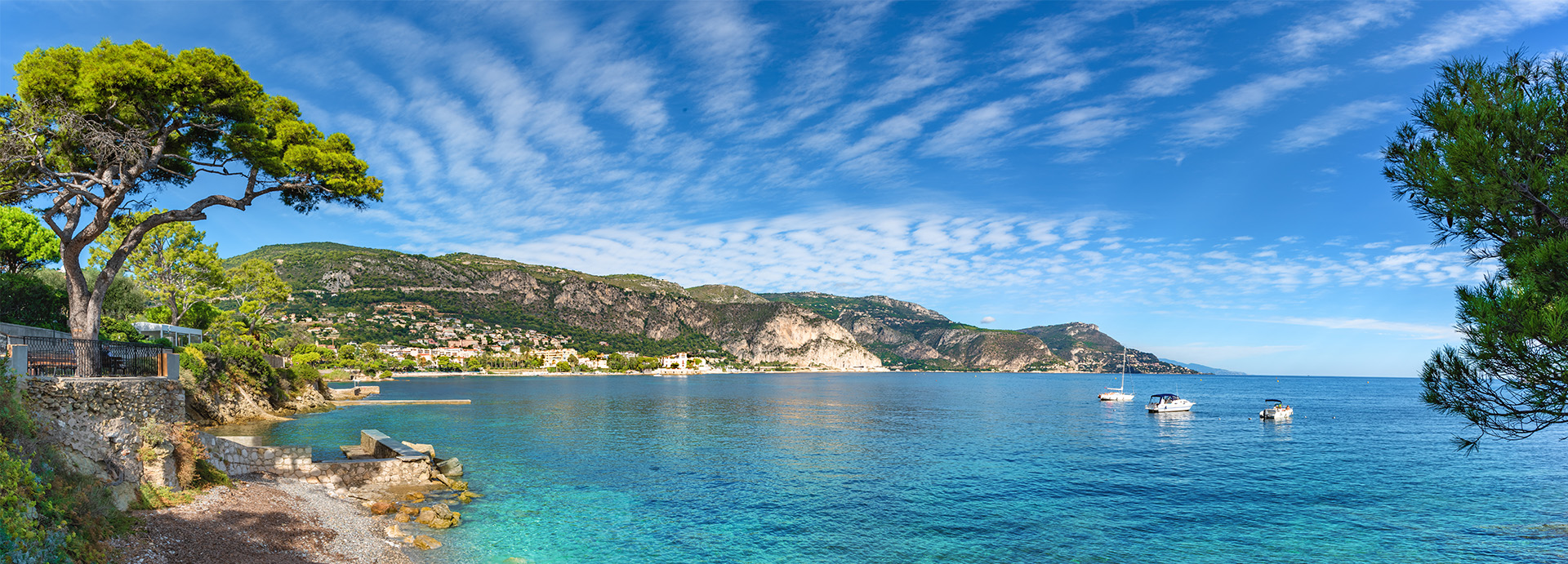
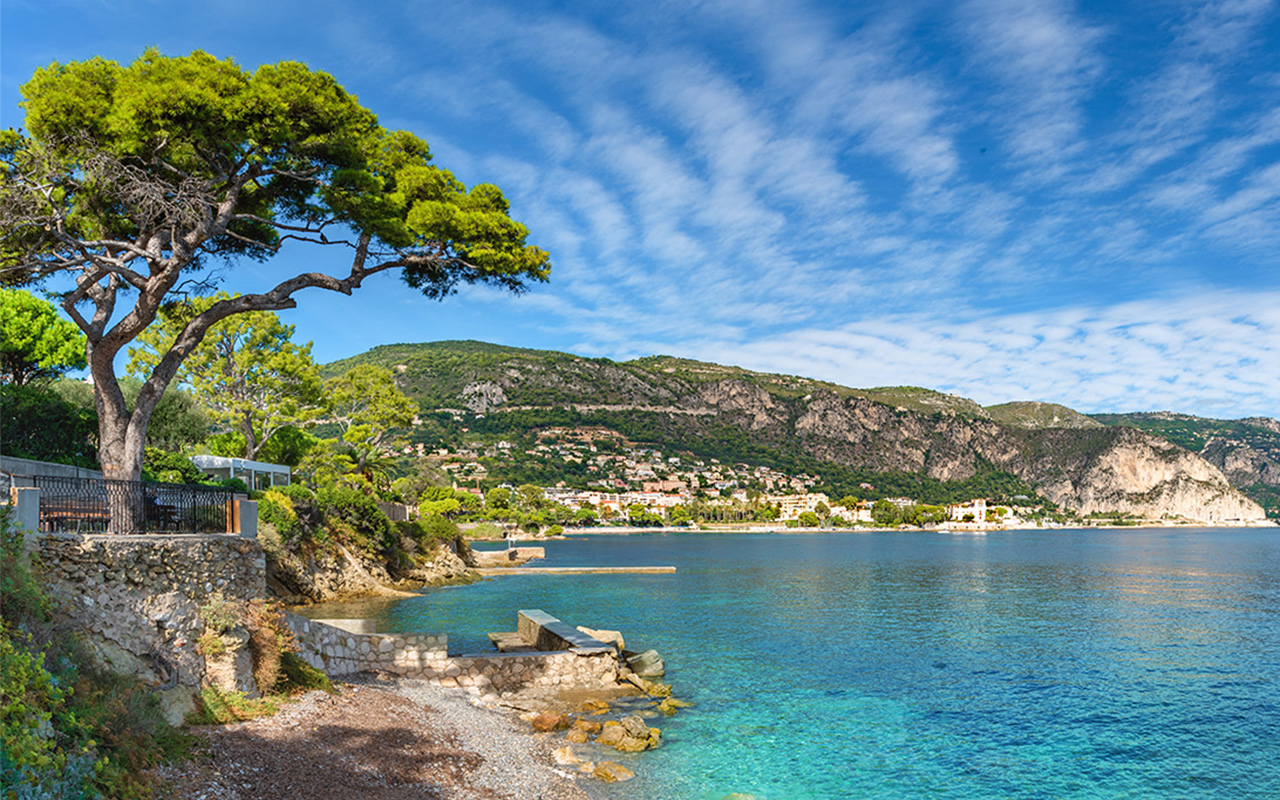
The Alpes-Maritimes combines Mediterranean coastline, limestone gorges and high alpine terrain within a compact area. This exceptional altitudinal range supports one of the richest biodiversities in France, with Mediterranean reptiles, alpine mammals, diverse birdlife and a highly varied flora concentrated across a relatively small geographic area.
Wild Places
These are listed by order of importance, National, Regional Parks, Reserves and local hotspots that should be of interest to all nature lovers, whether serious listers or casual observers.
Waiting To Be Discovered Are:
Pre-Alps Regional Park
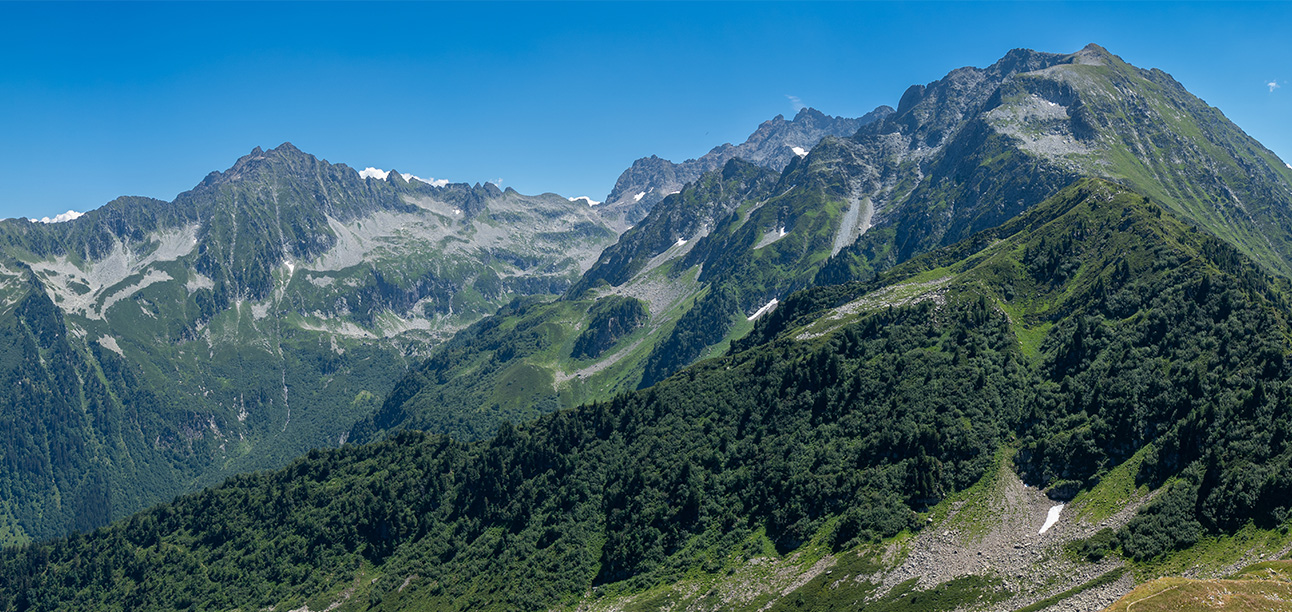
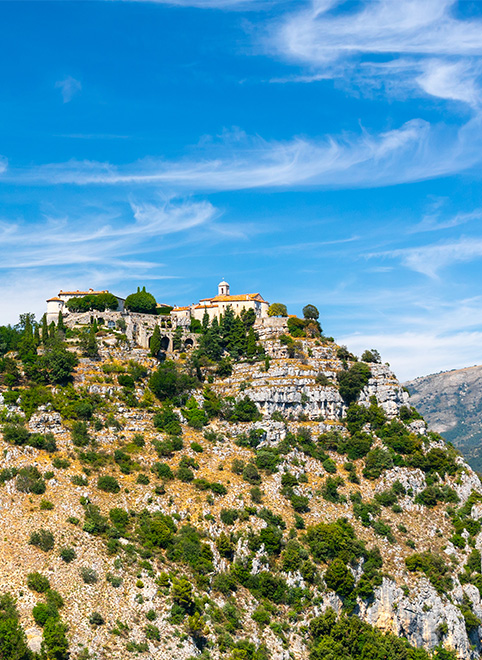
Located in Alpes-Maritimes, the Préalpes d’Azur Regional Natural Park ranges in altitude from 300 to 1,800 metres, between the Valleys of Le Loup, Le Cagne, L’Estéron, La Siagne and Le Var.
Located in Alpes-Maritimes, the Préalpes d’Azur Regional Natural Park ranges in altitude from 300 to 1,800 metres, between the Valleys of Le Loup, Le Cagne, L’Estéron, La Siagne and Le Var.
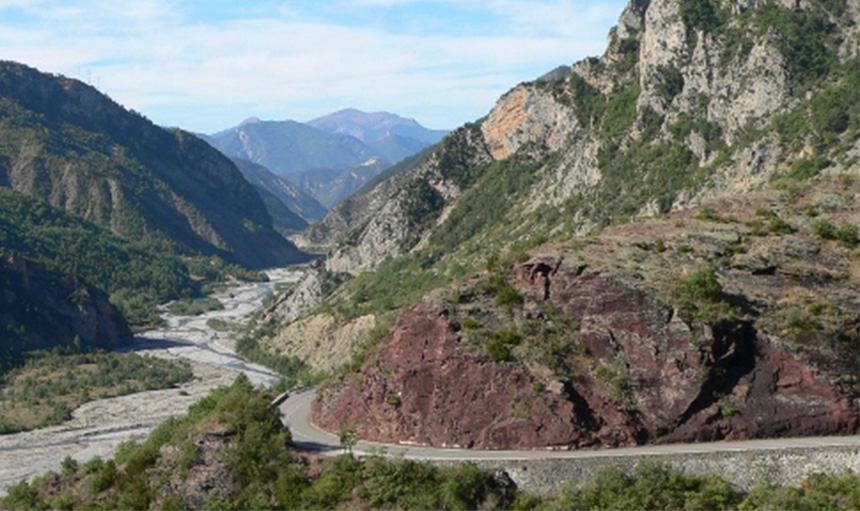
RNR – Gorges de Dalius
A geologically remarkable, biologically rich protected area where Mediterranean and alpine worlds meet. Its flora comprises drought-tolerant Mediterranean shrubs and specialised rock plants on nutrient-poor soils, while its fauna includes alpine mammals, rare reptiles, diverse birds of prey and endemic invertebrates. This diversity stems from its spectacular canyon landscape, altitudinal range and transitional position between biogeographical
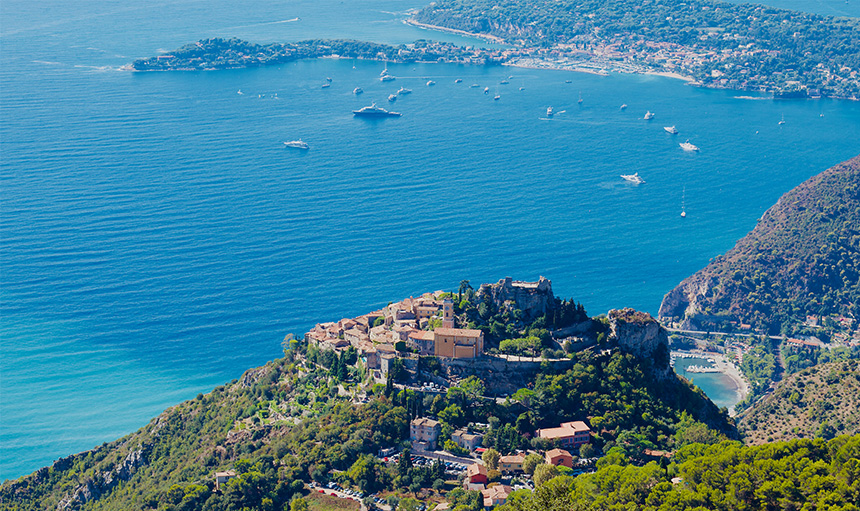
Fort de la Revère
Visual Migration: A premier natural observation point overlooking the Mediterranean, renowned for its dramatic autumn bird migration. Positioned on a major migratory flyway, the site channels tens of thousands of birds through a narrow coastal corridor, creating a spectacular and visible passage each year. Combining panoramic scenery, historic heritage, and active ornithological monitoring, it is one of the most important migration viewpoints in the Provence-Alpes-Côte d’Azur region.
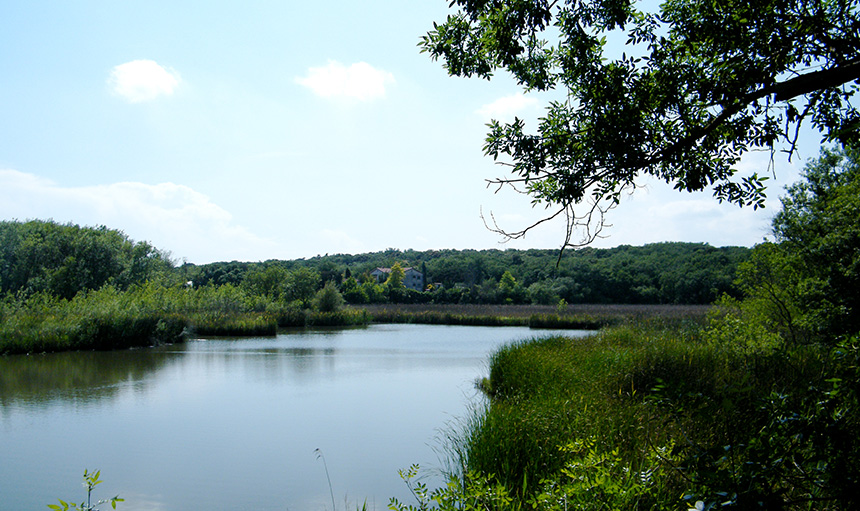
Vaugrenier Park
Located at Villeneuve-Loubet, within one of the most heavily urbanised stretches of the Alpes-Maritimes coastline. The park centres on a series of permanent water bodies, reed-fringed margins, wooded parkland and open grassy areas, creating a structurally diverse but highly controlled environment. Despite its recreational role, the site functions as a key lowland refuge for wetland and generalist bird species, providing year-round value for wildlife observation and biological recording and hotspot for migrating Crake species.
Additional Wildlife Hotspots
These sites fall outside formal protected area boundaries but are widely recognised for their ecological significance.
Best Times to Visit
Spring (March–May)
A key period for visible migration along the coast and inland ridges, with strong passerine movement through the Var estuary system and raptor passage detectable from elevated sites such as Fort de la Revère. Wetlands and managed sites hold breeding activity, while insect diversity increases rapidly.
Early Summer (June)
Coastal and lowland sites remain productive in the early part of the season, particularly for breeding terns and aerial species. Heat builds quickly inland and at elevation, reducing activity during the middle of the day. Higher altitudes start to flourish and be more rewarding.
Autumn (September–October)
One of the most rewarding periods in the department. Migration is concentrated along the coastline and ridgelines, seawatching improves during onshore winds and Var estuary habitats support high numbers of passage and returning birds.
Winter (December–February)
Best focused on wetlands and coastal waters. The Var estuary, managed freshwater sites and sheltered bays hold wintering waterbirds, while offshore conditions can bring seabirds close to shore during storms. Upland tracking in snow is an option to discover more secretive creatures but comes at a higher risk point.
Field Notes & Responsible Practice
Please refer to our code of conduct page for responsible recording and observation.