


13 – Bouches-du-Rhone
13 – Bouches-du-Rhone
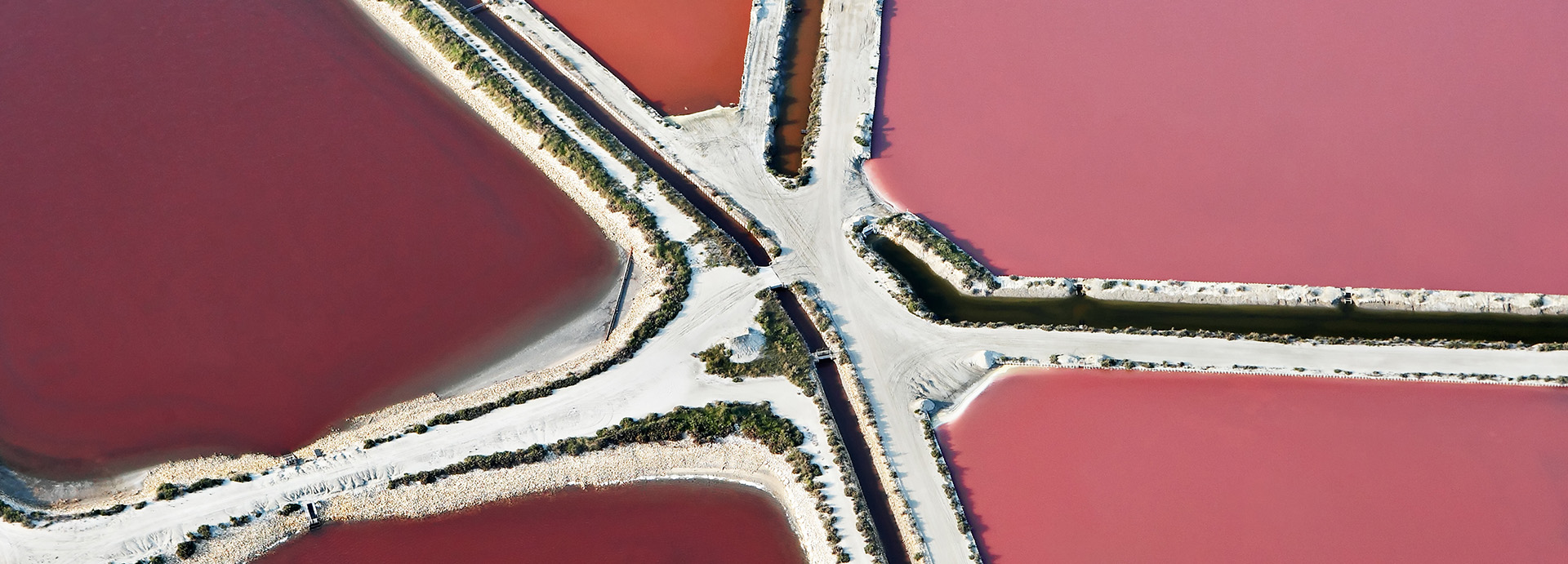
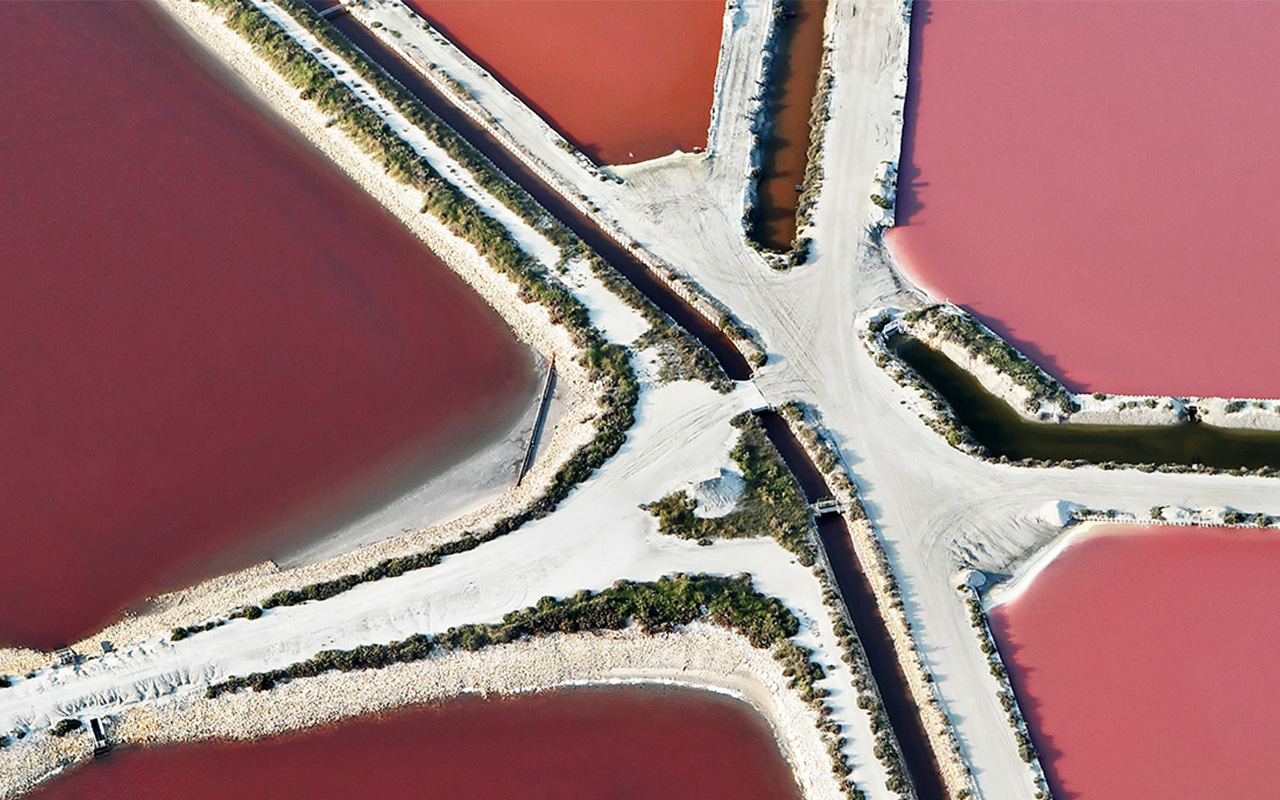
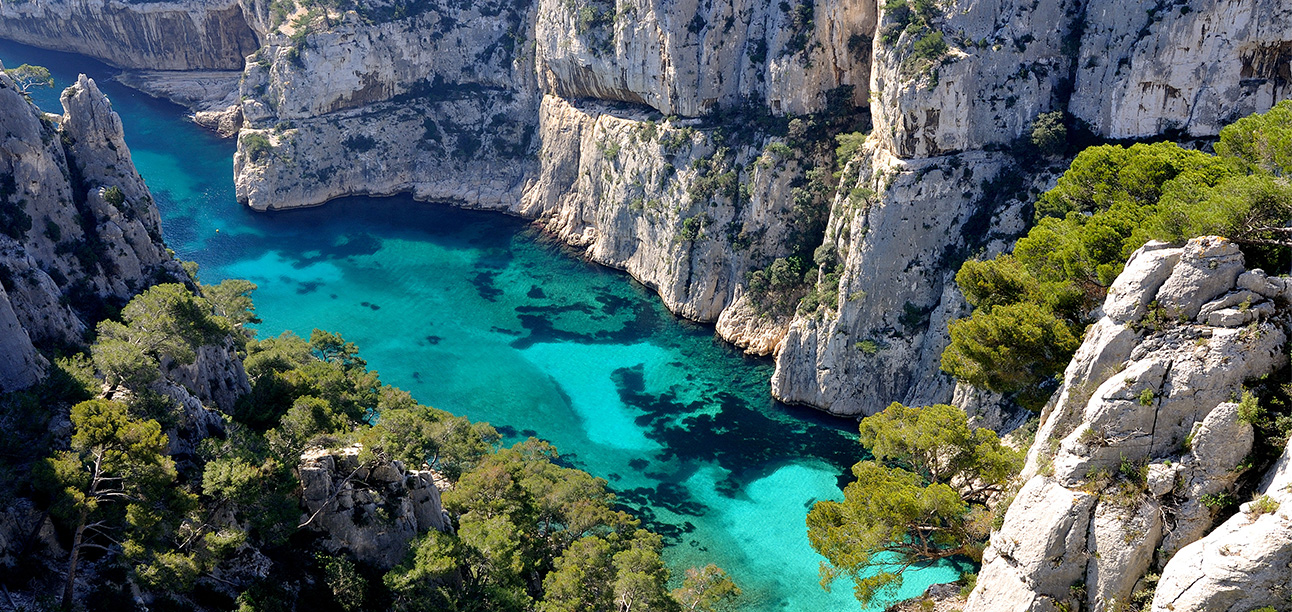
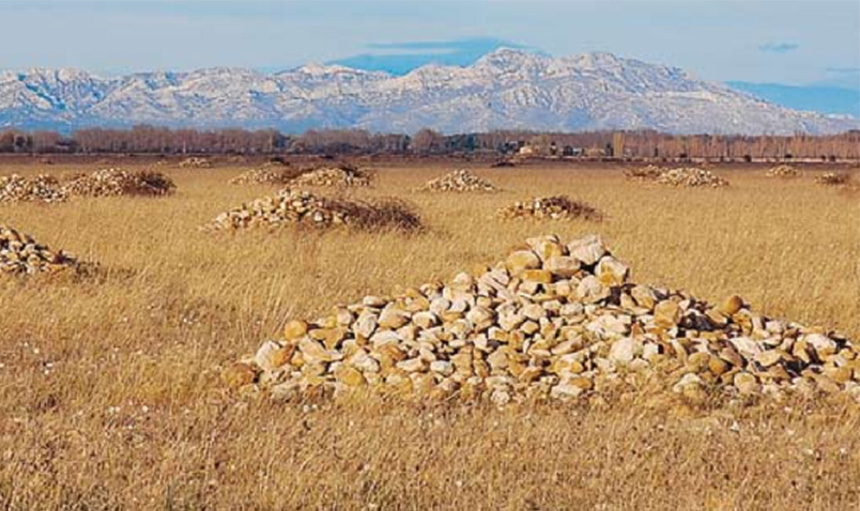
Bouches-du-Rhône is defined by strong contrasts, from the wetlands and lagoons of the Camargue to the semi-steppe plains of the Crau and the limestone massifs of the Alpilles and Calanques. These landscapes support a distinctive mix of wetland, steppe and Mediterranean species, making the department one of the most ecologically important lowland areas in southern France.
Wild Places
These are listed by order of importance, National, Regional Parks, Reserves and local hotspots that should be of interest to all nature lovers, whether serious listers or casual observers.
Waiting To Be Discovered Are:
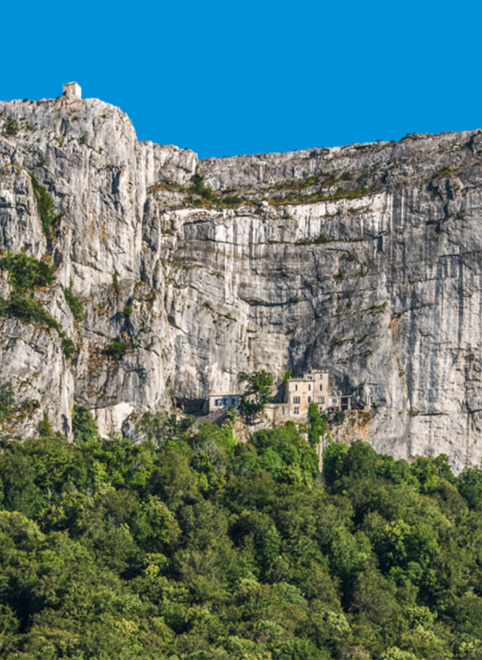
The Alpilles Regional Park
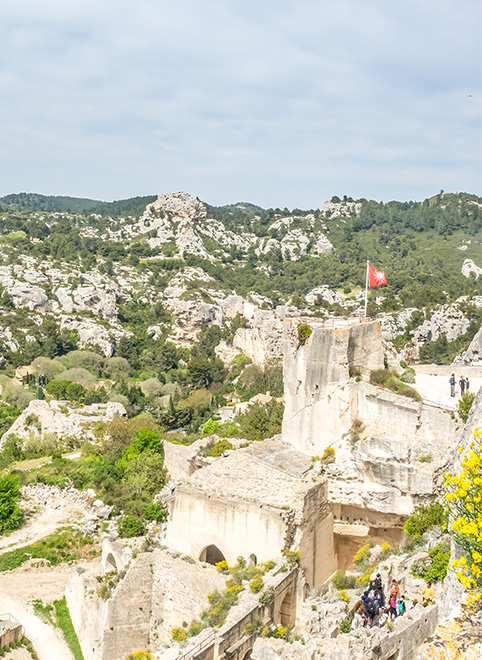
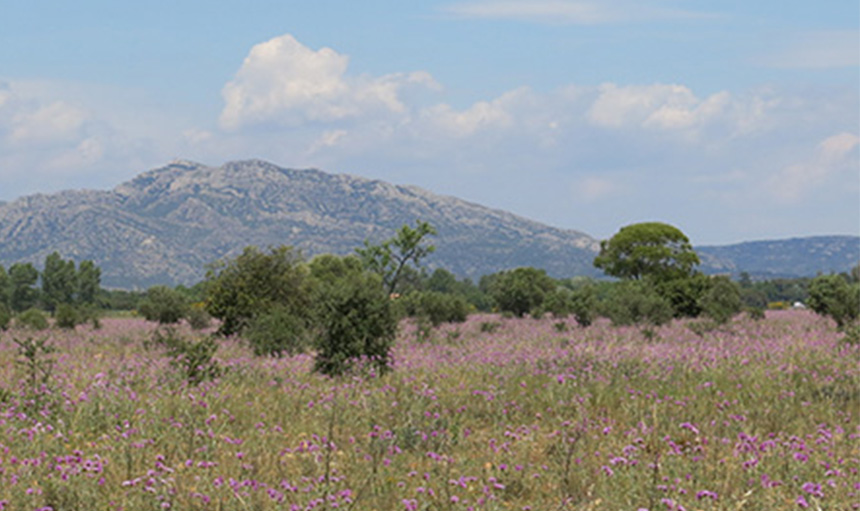
A limestone massif of low hills, valleys and plateaus characterised by garrigue, olive groves and open farmland. The Alpilles support one of the richest assemblages of Mediterranean birds in France, including several nationally rare breeding species.
A limestone massif of low hills, valleys and plateaus characterised by garrigue, olive groves and open farmland. The Alpilles support one of the richest assemblages of Mediterranean birds in France, including several nationally rare breeding species.
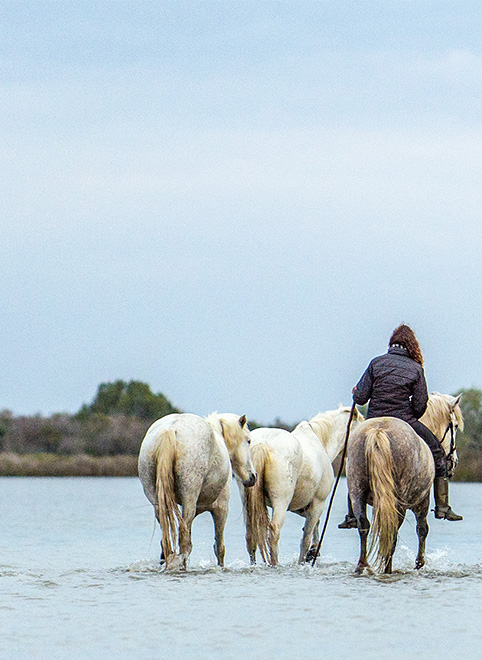
The Camargue Regional Park
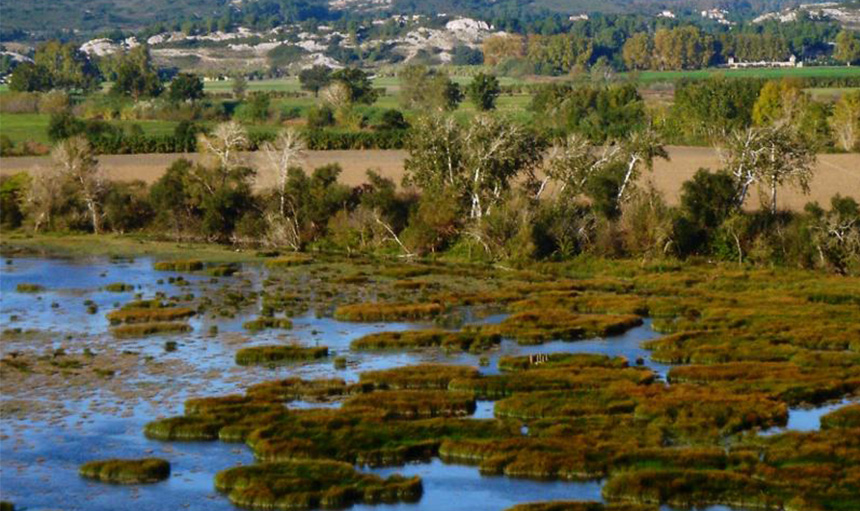
One of Europe’s most famous wetland landscapes. The Camargue is defined by lagoons, reedbeds, salt marshes and extensive grazing land, supporting enormous numbers of resident and migratory birds.
Over 400 bird species have been recorded here, making it one of the most important birding areas in Western Europe.
One of Europe’s most famous wetland landscapes. The Camargue is defined by lagoons, reedbeds, salt marshes and extensive grazing land, supporting enormous numbers of resident and migratory birds.
Over 400 bird species have been recorded here, making it one of the most important birding areas in Western Europe.
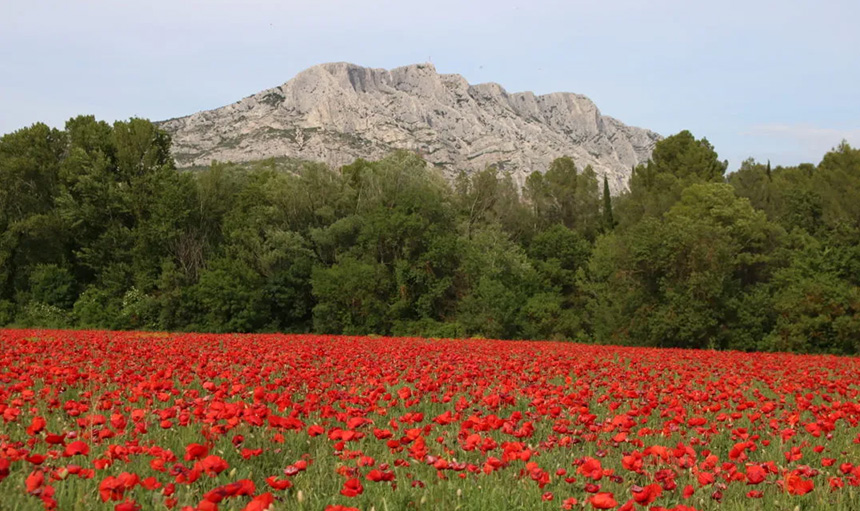
RNN – Mont Saint-Victoire
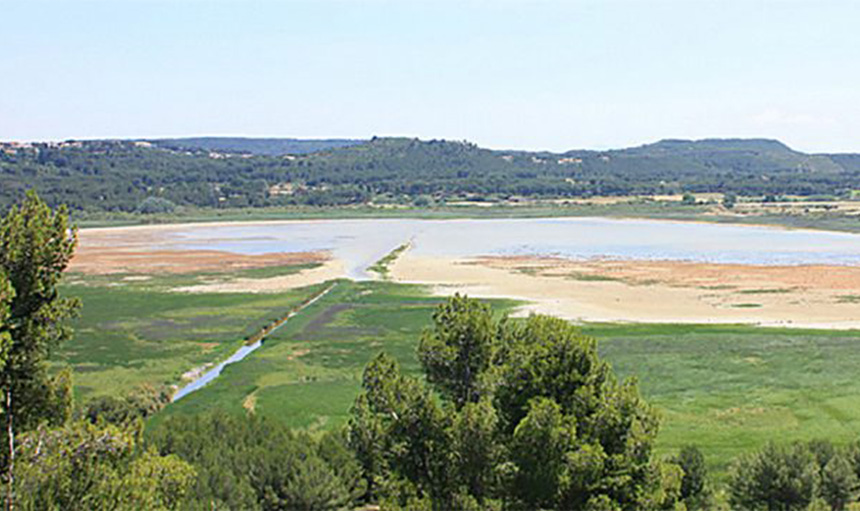
For visitors exploring Provence by department and protected site, Sainte-Victoire offers a concentrated overview of Mediterranean biodiversity: from open garrigue and dry grasslands to cliffs, woodlands, and cultivated fringes. It is a site that rewards both casual exploration and focused biological recording.
Restricted access and paid entry reserves
There are two further RNR’s that warrant inclusion but they either have restricted access or require paid entry to access these locations.
Additional Wildlife Hotspots
These sites fall outside formal protected area boundaries but are widely recognised for their ecological significance.
Best Times to Visit
Spring (March–May)
The most productive period across much of the department. Migratory movement is strong along the coast and inland ridges, wetlands hold passage birds and botanical interest peaks in garrigue and limestone landscapes.
Early Summer (June)
Breeding activity remains visible in open landscapes and wetlands. Insect diversity is high, particularly in steppe, wetland margins and scrub mosaics. Heat builds quickly later in the season.
Autumn (September–October)
A key period for visible migration, especially along the coast, islands and elevated ridges. Wetlands and peripheral lagoons become increasingly important as water levels fluctuate elsewhere.
Winter (December–February)
Best focused on wetlands, lagoons and coastal waters. Inland areas are quieter but can be productive for raptors and wintering passerines in open farmland and garrigue.
Field Notes & Responsible Practice
Please refer to our code of conduct page for responsible recording and observation.