


83 – Var
The Var is a predominantly Mediterranean department characterised by forested hills, river valleys, wetlands and an extensive coastline. Its habitats support a wide range of reptiles, amphibians, birds and mammals, with biodiversity shaped by climate, geology and seasonal water availability across inland and coastal zones.
Wild Places
These are listed by order of importance, National, Regional Parks, Reserves and local hotspots that should be of interest to all nature lovers, whether serious listers or casual observers.
Waiting To Be Discovered Are:
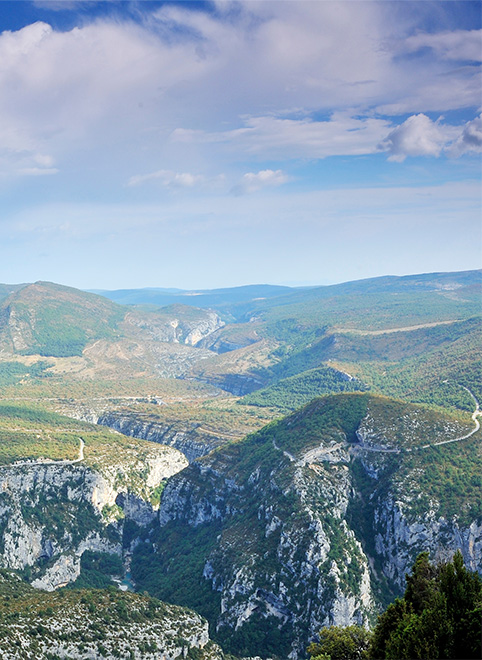
Regional outlook:
A proposed Parc naturel régional linking the Maures, Estérel and Tanneron is currently in development and may eventually help create a continuous network of protected landscapes across eastern Provence, connecting the Var with the Préalpes d’Azur and surrounding massifs.
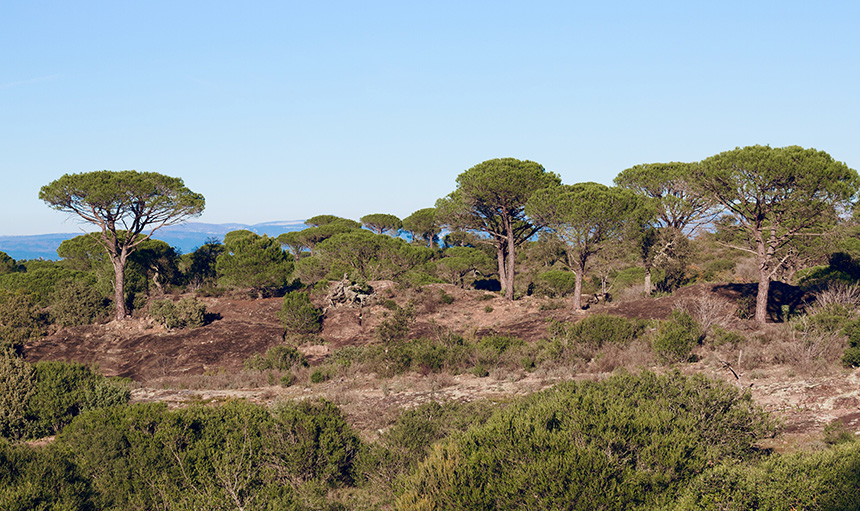
RNN – Plaine des Maures
The Plaine des Maures National Nature Reserve protects a landscape unlike any other in Provence. A lowland, siliceous plain where ancient geology, fire and Mediterranean climate have combined to create an ecosystem found almost nowhere else in France.
It’s an important refuge for the survival of Hermann’s tortoises.
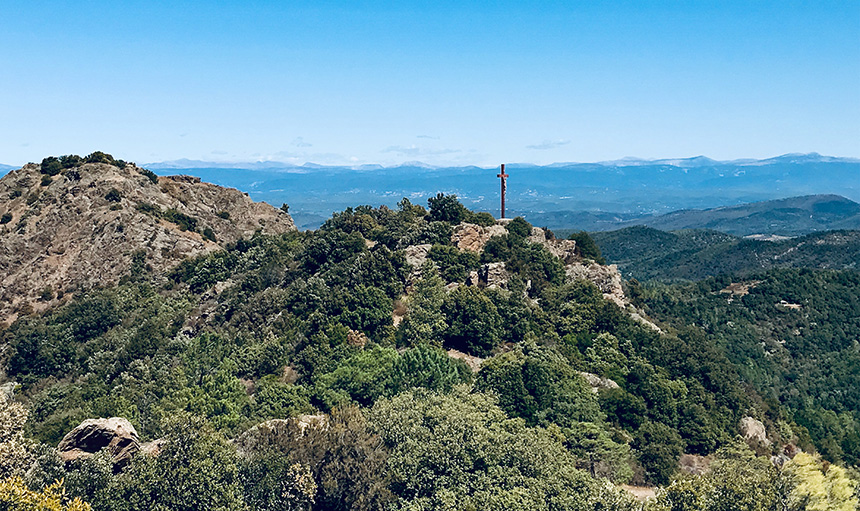
Ridge Lines
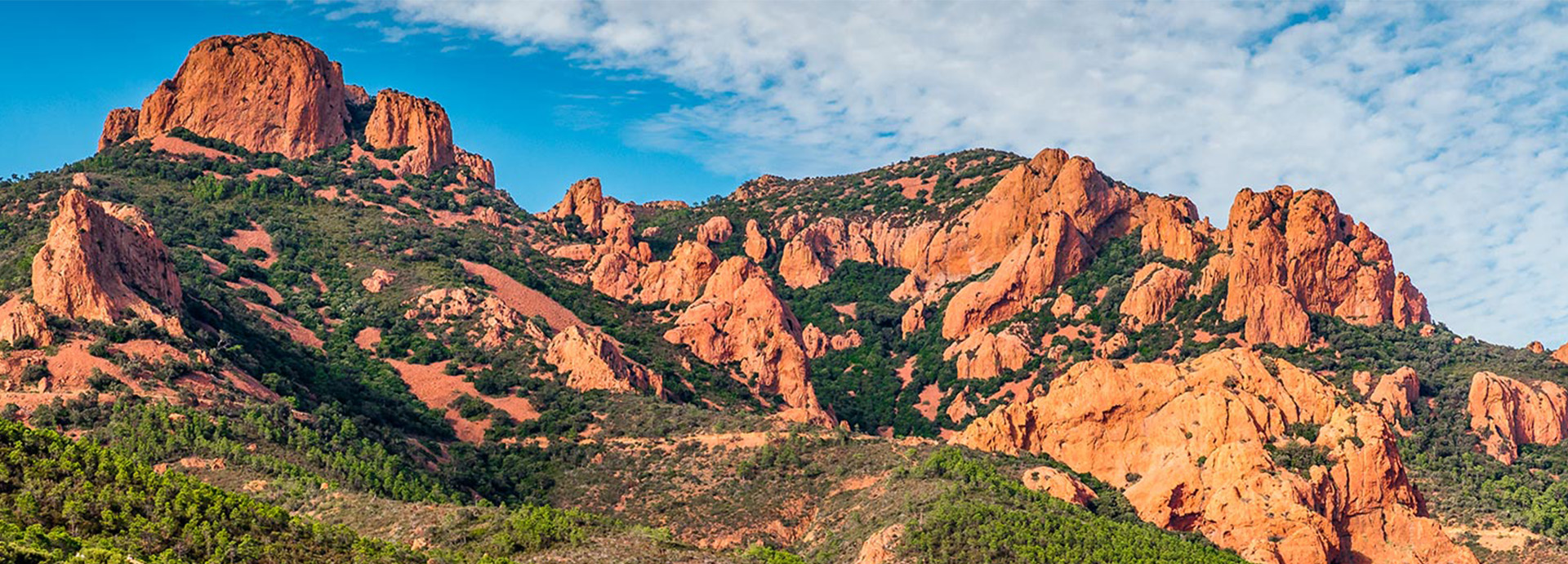
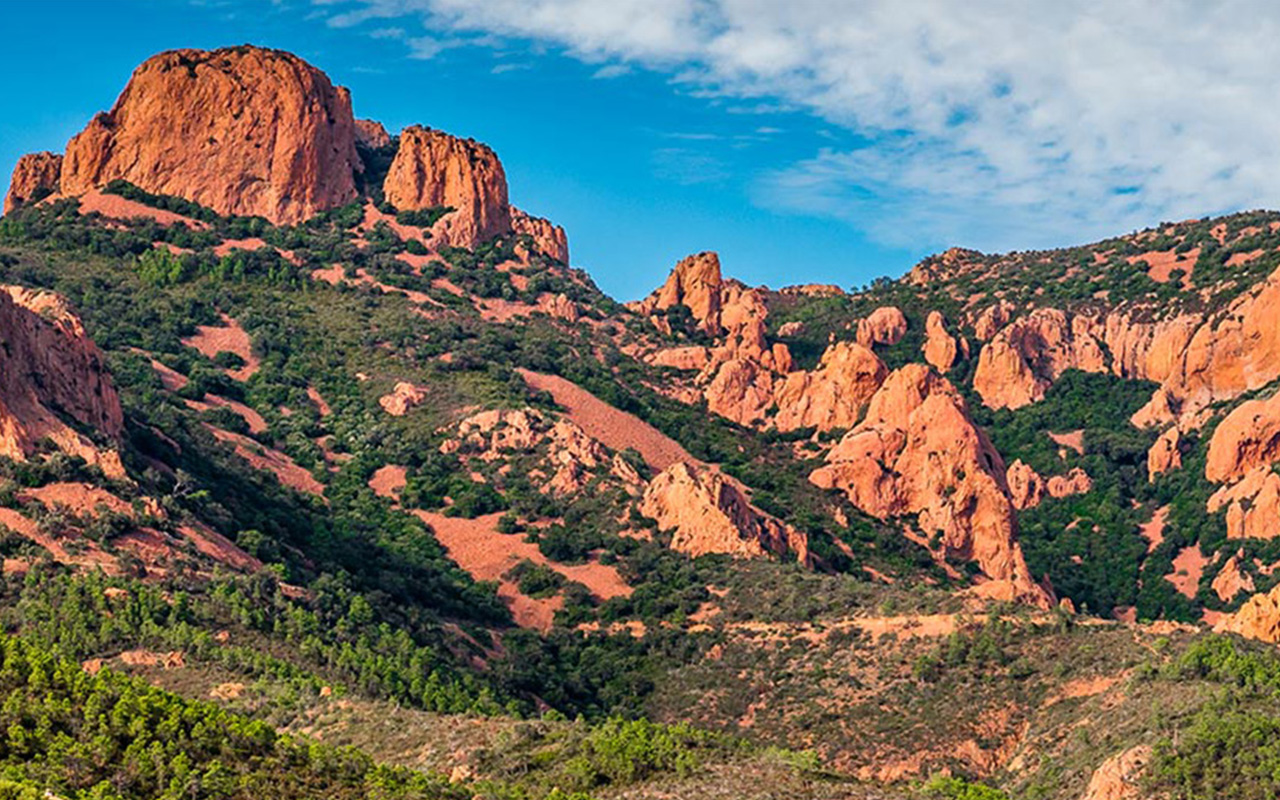
The Var’s ridge systems and massifs are fundamental to understanding the department’s natural character. They provide scale, continuity and ecological depth beyond formal reserves and protected wetlands.
For naturalists, they offer space, variety and the possibility of discovery across every season.
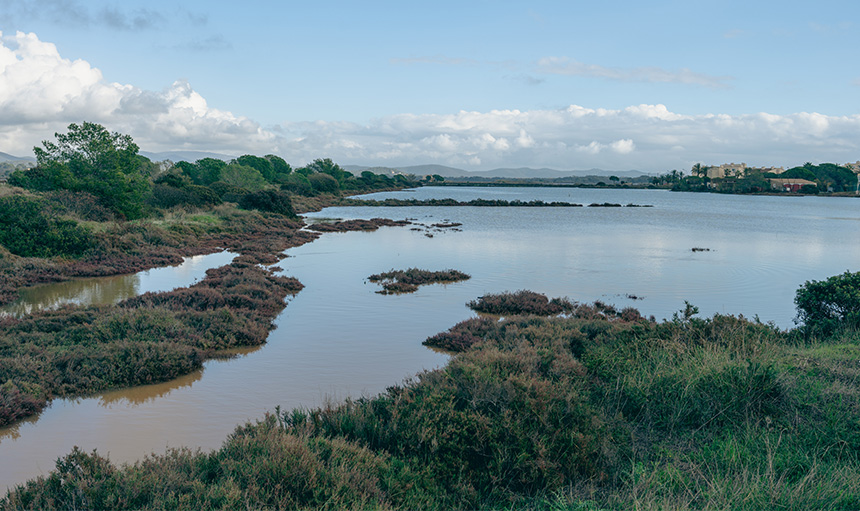
Wetland Systems Around Hyères
Hyères sits at the heart of one of the most important wetland complexes on the Mediterranean coast. Beyond the well-known salt pans lies a network of freshwater ponds, seasonal marshes, canals and coastal margins that together support extraordinary biodiversity throughout the year.
Plan de la Garde
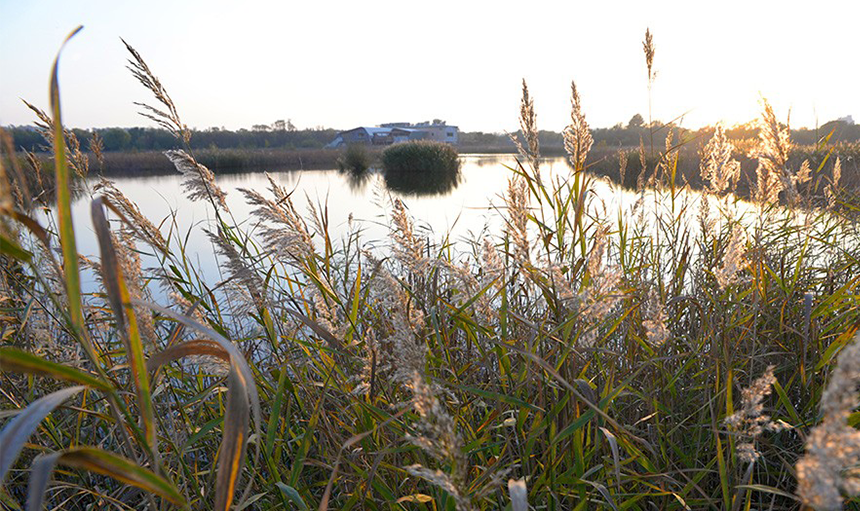
Between La Garde and Le Pradet lies one of the most quietly important restored wetland landscapes in the Var. The Plan de la Garde is not a wilderness in the traditional sense. It is something rarer in this part of the Mediterranean, a functioning lowland wetland system rebuilt within an urbanised coastal plain and now managed as a long-term refuge for biodiversity.
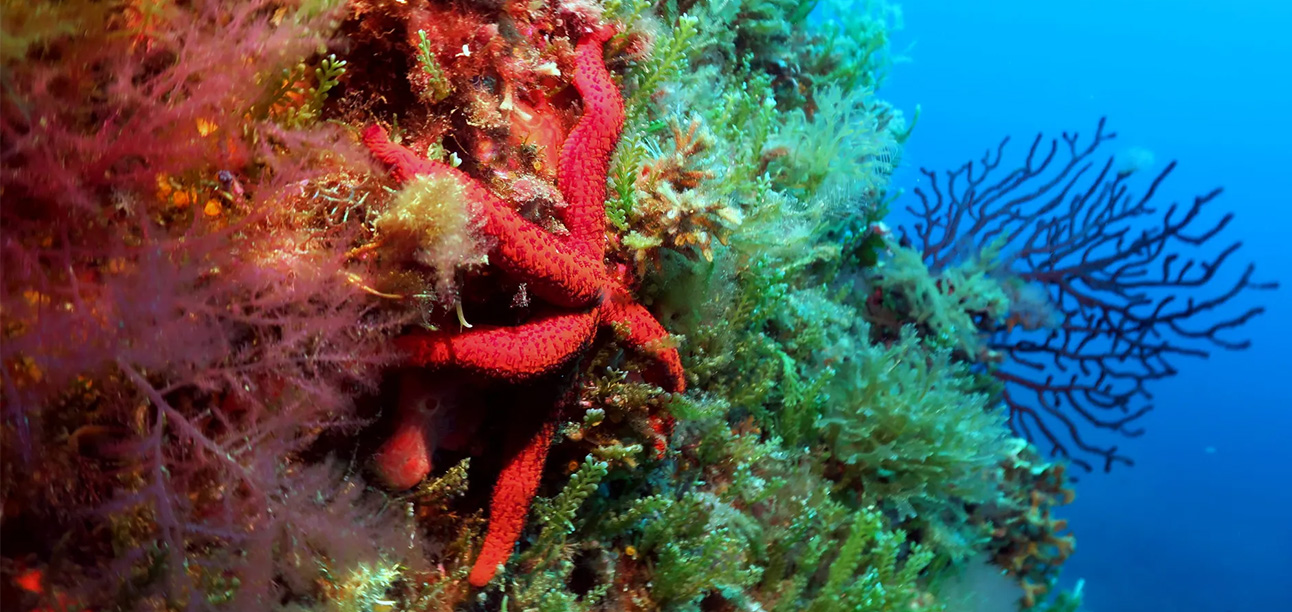
Pelagos Marine Sanctuary
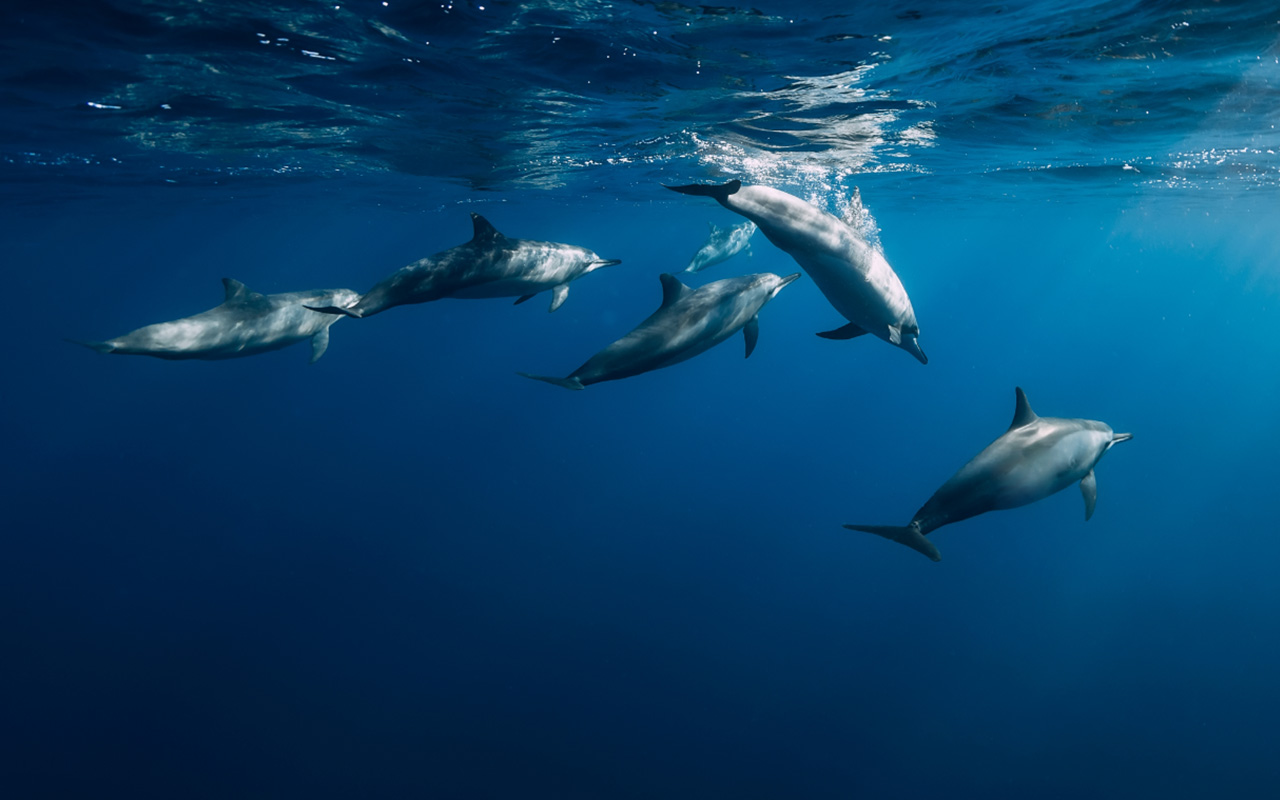
The Pelagos Sanctuary is the only international sea area dedicated to the protection of marine mammals and their habitats in the Mediterranean Sea. It was established by a Multilateral Agreement between France, Italy and Monaco signed in Rome in 1999, which came into force in 2002
Additional Wildlife Hotspots
These sites fall outside formal protected area boundaries but are widely recognised for their ecological significance.
Best Times to Visit
Spring (March–May)
One of the most productive periods in the Var. Migration is visible along the coastline, river valleys and inland ridges, with raptors, swifts and passerines moving north. Wetlands such as the Argens plain and coastal lagoons support breeding waterbirds, while amphibians, reptiles and early-emerging insects become increasingly active. Botanical diversity peaks, particularly in lowland garrigue and woodland clearings.
Early Summer (June)
Breeding activity dominates across habitats. Coastal cliffs support nesting seabirds, inland forests and scrub hold active songbird territories, and insect life reaches high diversity, particularly butterflies, dragonflies and orthopterans. Activity is best early morning and late afternoon as temperatures rise quickly, especially away from the coast.
Autumn (September–October)
A key season for wildlife observation. Post-breeding dispersal and southbound migration bring movement through coastal corridors, river systems and elevated viewpoints. Raptors are again prominent, insect numbers remain high in warm spells, and wetlands regain importance as stopover sites. Marine conditions can also favour cetacean sightings offshore during calmer periods.
Winter (December–February)
Best focused on wetlands, river mouths and sheltered coastal areas. The Var coast and estuaries host wintering waterbirds, while inland habitats remain quieter but can still support resident mammals and birds of prey. Periods of mild weather can produce surprising activity, particularly along the coast and in low-elevation valleys.
Field Notes & Responsible Practice
Please refer to our code of conduct page for responsible recording and observation.